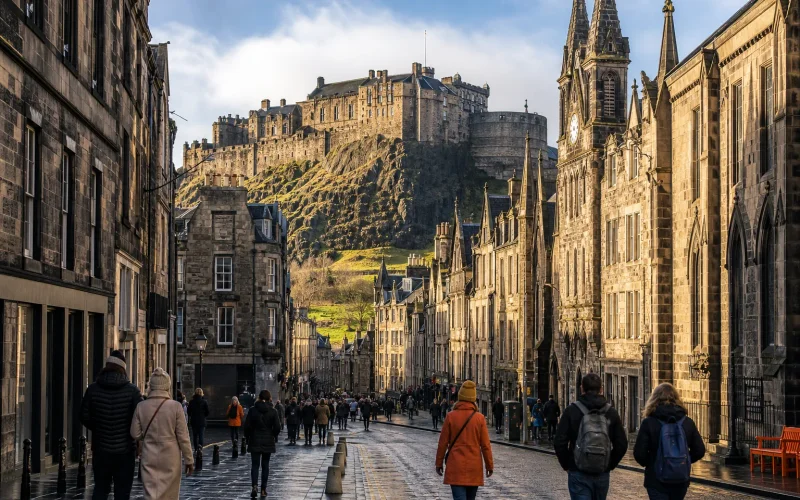
Edinburgh Itinerary 3 Days: A Practical Plan
Use this Edinburgh itinerary 3 days plan for honest sightseeing, transit tips, free stops, museums, budget notes, and what to skip.
Europe is packed with amazing destinations, but not all are worth your time or money. We’ve tested, researched, and curated the top spots for 2026 based on real experience and traveler feedback. Here are the best places to visit in Europe, along with honest verdicts on who should go, and who might want to skip.
Paris is on almost every traveler’s list for good reason. The Eiffel Tower, the Louvre, and the cafés are iconic. But it’s also crowded and expensive. Visit in shoulder season (April-May or September-October) for fewer crowds. Don’t miss impressionist art museums over the Louvre if you prefer impressionist art. For a cheaper meal, skip the touristy spots near major attractions.
But be honest: if you hate crowds and high prices, consider alternatives like Lyon or Bordeaux.
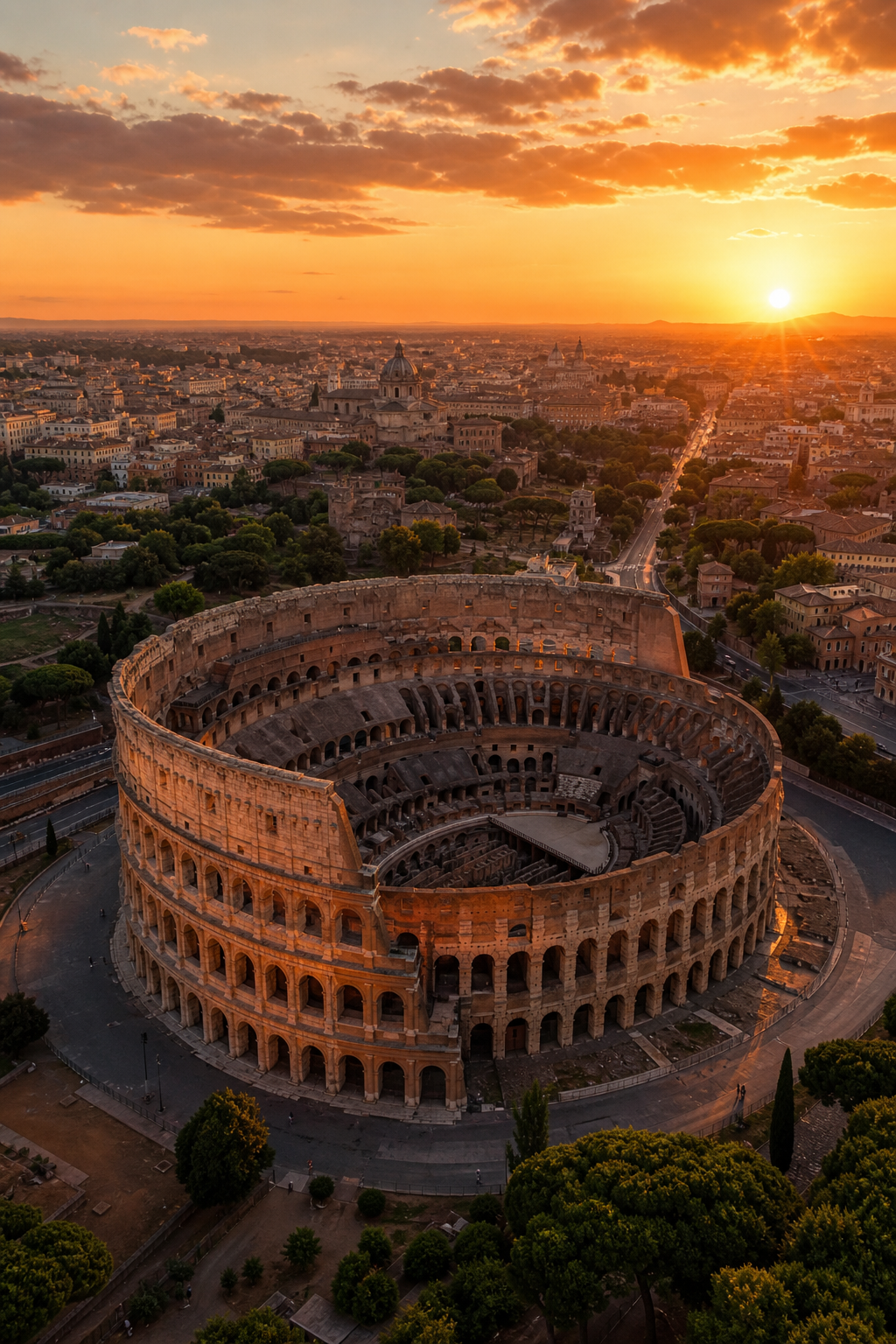
Rome is a living museum. The Colosseum, Roman Forum, and the historic papal enclave are must-sees. But the city is more than just ruins. Wander Trastevere for authentic trattorias and a local vibe. According to Wikipedia, the city has been inhabited for millennia. Book Colosseum tickets in advance to avoid long lines. And skip the overpriced restaurants near tourist sites.
Pro Tip: Use a city tourist pass for free entry to two museums and unlimited public transport.
Barcelona blends Gaudí’s whimsical architecture with Mediterranean beaches. The Sagrada Família and other iconic Gaudí landmarks are stunning, but they get packed. Go early or book online. The city’s food scene is incredible, try tapas in the El Born neighborhood. As Wikipedia notes, Barcelona is one of the most visited cities in Europe, so expect crowds. If you want a quieter alternative, try Valencia.
Prague offers fairy-tale views at a fraction of the cost of other European capitals. The Charles Bridge, Old Town Square, and Prague Castle are all walkable. Beer is famously cheap. But avoid the main tourist drags for food, prices are double just two blocks away. For a unique experience, visit the medieval astronomical clock on the hour.
Santorini’s white-washed buildings and blue domes are iconic. The sunset from Oia is unforgettable. But it’s expensive and crowded, especially in summer. Stay in Fira for a more affordable base. The island’s volcanic beaches are unique. For the best experience, visit in May or September.
Amsterdam is famous for its canals, museums (world-class art museums), and relaxed vibe. It’s very bike-friendly. But hotel prices are steep. Consider staying in Haarlem or Leiden, just 20 minutes by train, for cheaper rates. The city’s nightlife is lively, but the red-light district can be overwhelming. Visit the city’s historic house museums early or book online.
The Swiss Alps offer breathtaking scenery: snow-capped peaks, crystal-clear lakes, and alpine meadows. Interlaken is a great base for adventure sports. But Switzerland is expensive. To save money, stay in smaller towns like Grindelwald and cook your own meals. A mountain railway journey is worth the cost for the view.
Porto is one of Europe’s best-value destinations. The riverside district, port wine cellars, and tiled churches are highlights. According to Lonely Planet, you can eat well for under €15 a day. The city is walkable, and public transport is cheap. Don’t miss the historic bookstore in Porto. For a budget meal, try a francesinha sandwich at a local cafe.
Dubrovnik’s old town is a UNESCO World Heritage site with stunning medieval walls. Walk the walls for incredible views of the Adriatic. But Game of Thrones crowds can be intense, visit early morning or off-season. Take the cable car to the hilltop for sunset. For a quieter alternative, try Korčula Island.
The best time is late spring (May-June) or early fall (September-October). Weather is mild, crowds are thinner, and prices are lower than summer peak. Winter is great for Christmas markets and skiing, but expect cold and shorter days.
Porto, Portugal, is consistently one of the most affordable. You can find meals for under €10 and hostels for €35 a night. Other budget-friendly options include Prague, Krakow, and Budapest.
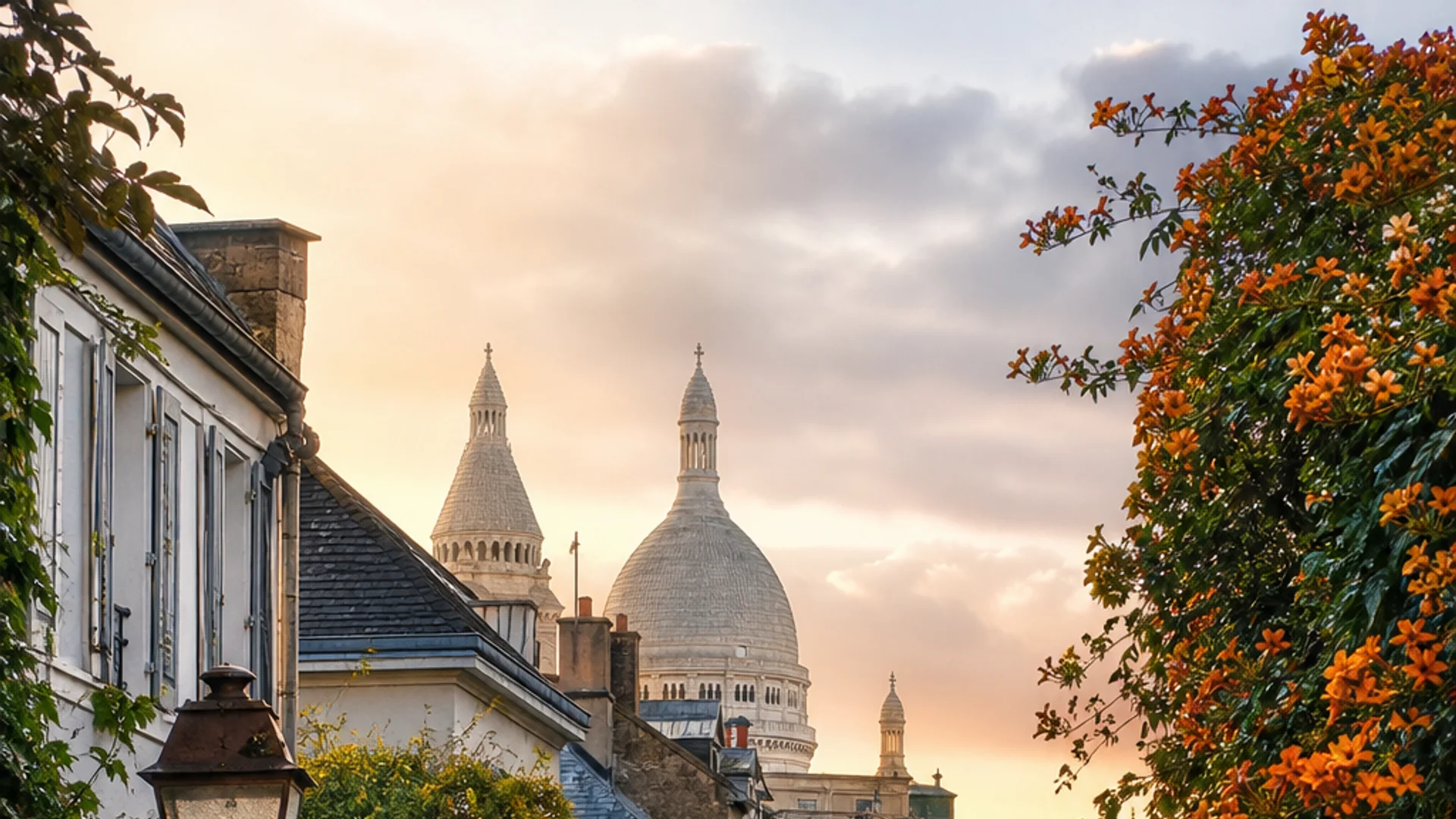
Spend at least 3-4 days to see the major sights without rushing. Add an extra day for day trips to Versailles or Giverny. For a deeper experience, a week allows you to explore neighborhoods like Montmartre and Le Marais.
Yes, Europe is generally safe for solo travelers. Stick to well-lit areas at night, keep valuables secure, and trust your instincts. Trains and hostels are both good for meeting other people if you want company.
Paris, Rome, Barcelona, and Amsterdam are great for first-timers because of their iconic sights, good public transport, and many English speakers. But be ready for crowds and higher prices.
Book flights early, use budget airlines like Ryanair, stay in hostels or budget hotels, eat like a local, and use public transport. Travel during shoulder seasons and book accommodation early.
Europe has something for everyone, but the key is choosing destinations that match your style and budget. Pick one or two places and go deep rather than sprinting across six countries. The trips worth remembering are usually the ones where you stayed long enough to find the second restaurant.
Use this Edinburgh itinerary 3 days plan for honest sightseeing, transit tips, free stops, museums, budget notes, and what to skip.
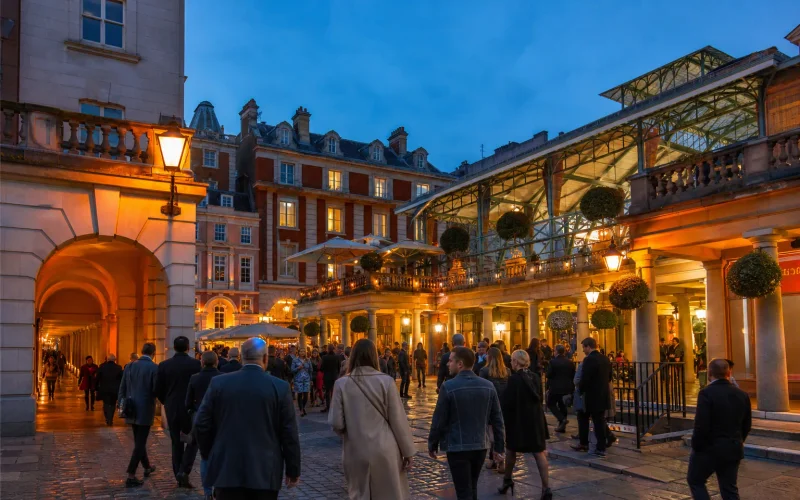
Find the best areas to stay in London for tourists, with honest advice for first-time visitors, culture lovers, foodies, and theater fans.
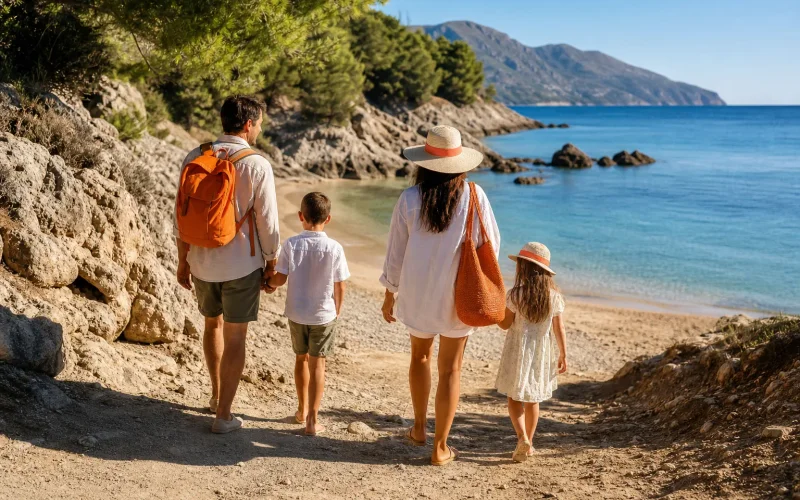
Find the best Greek islands for families by travel style, beach access, activities, and travel-day tradeoffs. Honest picks and planning notes.