Edinburgh Itinerary 3 Days: A Practical Plan
Use this Edinburgh itinerary 3 days plan for honest sightseeing, transit tips, free stops, museums, budget notes, and what to skip.
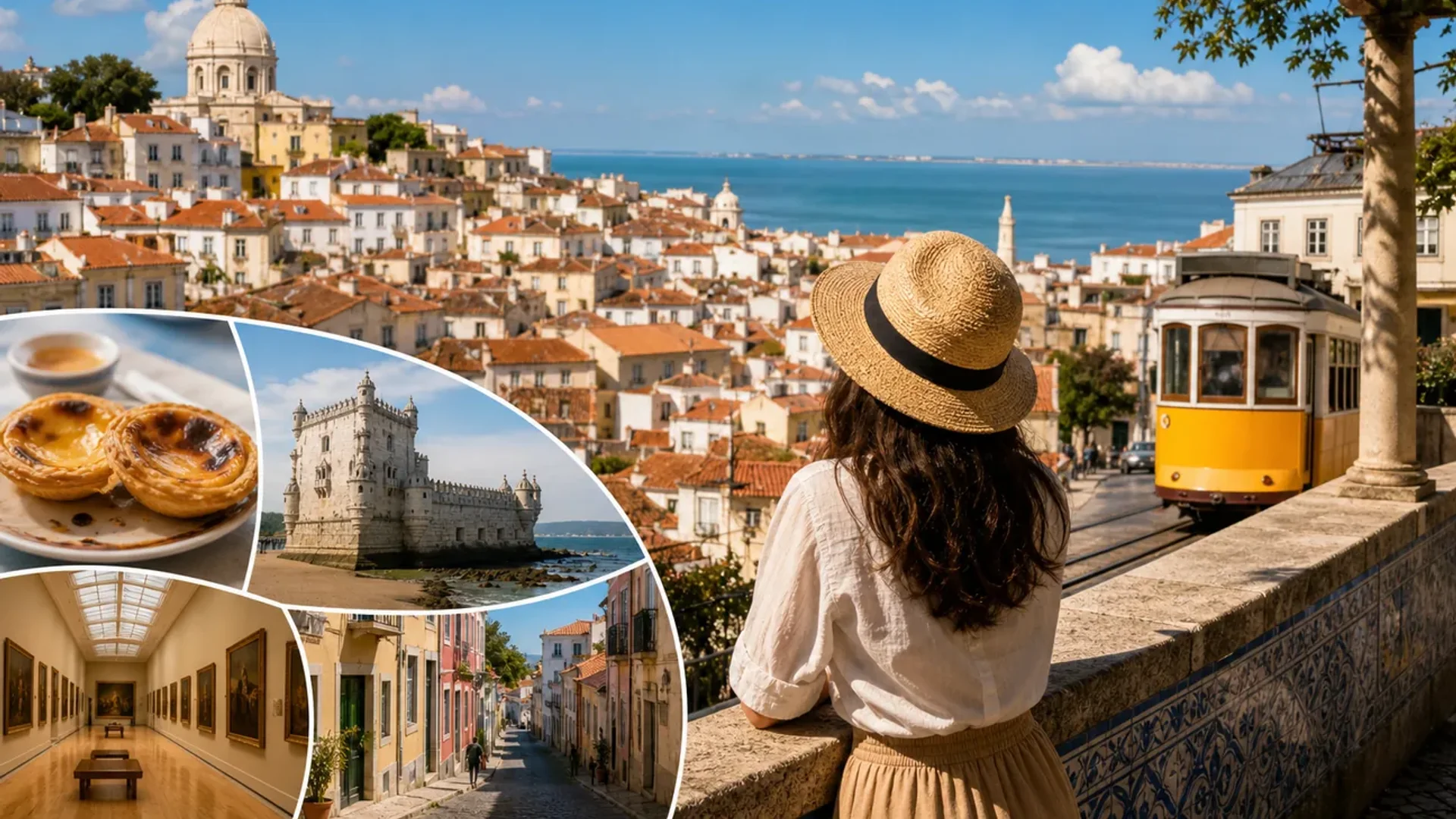
Lisbon rewards the curious, but it can punish rushed plans. Hills, slick cobbles, packed trams, and ticket lines can eat a day fast. We picked 10 things worth your time, with honest trade-offs, useful prices, food stops, and ways to group sights by neighborhood. Dream Book Travel’s rule is simple: see the icons, skip the filler, and leave room to wander.
Jerónimos Monastery is one of the strongest history stops in Lisbon, especially if you like stonework and old churches. Plan for about one to two hours.
The monastery sits in Belém beside other major sights. Its cloisters show ornate stonework. The church also holds the tomb of Vasco da Gama, according to the source material for this list.
Go early. That advice comes up again and again because the line can change your whole morning. We’d visit the monastery first, then walk toward the river before stopping for a pastel de nata.
The trade-off is time. Belém is west of the central districts, so you shouldn’t treat it as a quick pop-in from Baixa. Pair it with Belém Tower and MAAT instead.
Belém Tower is a compact riverfront sight that works well after Jerónimos Monastery. It is one of the clearest symbols of Lisbon’s seafaring past.
The tower was built as a defensive structure and later became a landmark linked with the Age of Discovery. Its position on the Tagus gives it a strong setting, but the interior visit is less important than the exterior view for many travelers.
That is the trade-off. You travel to Belém for several sights, yet the tower itself may not fill a long visit. Walk the waterfront, look across the river, and leave time for the monastery. The riverside path also makes the area easier to enjoy at a calm pace.
Pastéis de nata are part of the Belém plan. Buy one early if you want to avoid the busiest rush. We’d skip trying to squeeze this district into an evening. It works better as a half-day cluster.
St. George’s Castle combines old fort walls with a wide view over Lisbon. It suits travelers who want one paid sight with a clear payoff.
The hill has held fortifications for many centuries. The site includes Moorish and medieval layers, a small archaeological museum, and restored castle structures. Most people come for the view across the rooftops and the Tagus, but the history gives the visit more weight.
Arrive early if you can. The castle sits high above Alfama, so the walk up can feel harder once the day gets hot. Wear shoes with grip. Lisbon’s tiled sidewalks can become slick after rain.
At around 45 minutes, you can see the main parts without racing. Stay longer if you want to read the displays or linger at the viewpoints. We’d spend the morning here, then walk downhill through Alfama rather than climb back up later.
Alfama is one of the most rewarding things to do in Lisbon when you stop chasing a checklist. The district is made for a slow walk.
Its lanes twist around the hill beneath the castle. You’ll find tiled facades, small squares, old walls, and sudden views between buildings. Walking is the best way to get a feel for the area, but it also means accepting wrong turns. That is part of the point.
Give Alfama at least two hours if you want the walk to feel relaxed. Start near the lower streets, then climb toward the viewpoints. Break up the hills with a coffee. Lisbon’s coffee culture is simple and social, so a short café stop can reset your legs.
Fado is closely tied to Alfama, though you should treat dinner shows with care. Check the full menu before sitting down, since bread, olives, and cheese placed on the table may cost extra. We’d also keep bags close in crowded lanes and on packed transport.
If you’re choosing a base, our guide to Lisbon neighborhoods for a stay compares the central areas with their noise, hills, and transport trade-offs.
Baixa is the simplest place to orient yourself in central Lisbon. Its flatter streets feel easier after time in Alfama or Graça.
The area has a grid layout that differs from the older hill districts. Walk through the grand squares and along the main streets toward the river. The plan is easy to follow, which makes Baixa useful on your first day or after a late flight.
Baixa also works as a transport hub. Lisbon Metro rides are listed at roughly €1.65 to €2.15, while a one-day pass is about €7.10 in the research used for this article. Prices can change, so check the current fare before you load a pass.
The downside is atmosphere. Baixa can feel busy and built for foot traffic. We like it for access, not for a quiet night. If sleep matters, compare the street before booking a room.
MAAT and LX Factory give your Lisbon plans a break from castles and churches. Choose this pair when you want art, design, food, and a less formal afternoon.
MAAT sits beside the Tagus in a curved building that works as a public viewpoint even if you skip the exhibits. The entry fee listed in the research is €9, with free entry on the first Sunday of each month. The rooftop view toward the 25 de Abril Bridge is the smart budget move.
Then head to LX Factory, an old industrial complex now tied to shops, restaurants, studios, and street art. You can browse without setting aside a full museum block. It also gives you a good place to eat when everyone in your group wants something different.
Neither stop suits every traveler. If your trip is short and you care most about old Lisbon, use the time for Alfama or Belém. If contemporary art feels like a chore, take the river walk instead.
Lisbon Oceanarium is a clear choice for families and for rainy afternoons. It gives children a focused indoor activity when the city’s hills lose their charm.
The listed ticket price is €25 for adults and €17 for children. We can’t give a fixed dollar conversion because exchange rates move, so check your card rate or the current official price before you go.
The aquarium is in the Parque das Nações area, which feels newer and more open than Alfama. Plan travel time rather than treating it as a quick central stop. A waterfront walk after the visit helps balance the indoor time.
The honest skip rule is simple: adults traveling without children may find the ticket hard to justify unless aquariums are a real interest. Lisbon has many low-cost days. Save this premium ticket for the one experience your group actually wants.
Key Takeaway: Lisbon’s paid sights are unevenly priced. Mix free neighborhood walks with one or two ticketed attractions instead of paying for every stop.
The Tile Museum is the place to go when you want to understand azulejos, the painted tiles seen across Lisbon. It gives context to details you might otherwise pass without noticing.
The museum covers tilework across several periods and styles. Its setting in a former convent adds another layer to the visit, especially inside the richly decorated church. This is a better pick for art lovers than for travelers who only want quick photo stops.
Allow around 30 to 45 minutes if you want a focused visit. Stay longer if you read the displays. Then look at the city’s walls with fresh eyes. A blue panel on a street corner suddenly has more to say.
The museum is outside the tight Baixa and Chiado core, so pair it with nearby plans. Don’t make a separate cross-city trip for a short visit unless tiles are high on your list.
Graça Viewpoint gives you a sunset plan without committing to a full museum or monument. The viewpoint sits in Graça, a neighborhood known for its hilltop position.
Bring water and arrive before sunset if you want a seat. Viewpoints can fill up fast, but Graça often feels less staged than the most famous miradouros. The rooftops and river spread out below you, with the castle visible across the city.
Budget-wise, this is one of the easier wins. The view itself costs nothing. A 15-minute stop works if you’re passing through, while 30 minutes gives you time to settle in.
Getting there takes effort because Lisbon’s slopes are real. Use public transport for the uphill part, then walk downhill through nearby streets. We’d choose Graça when the main viewpoints feel too crowded.
Santa Justa Elevator is worth seeing, but riding it is optional. The listed return fare is €5.30, or it may be covered by the Lisboa Card.
The lift links the lower downtown area with the higher Chiado side. Its iron structure is photogenic, yet queues can make the ride feel poor value. Walk around the route if you want to save time. Use the lift when the transport experience itself matters.
Carris tram lines are another Lisbon classic. A cash fare paid aboard is listed at €3. The old trams are memorable, but packed cars create a pickpocket risk and can move slowly through traffic. Lisbon Metro is often the better tool for a fixed appointment.
| Choice | Use it when | Watch out for |
|---|---|---|
| Santa Justa Elevator | You want the structure and a short historic ride | Queues and the €5.30 return fare |
| Carris tram | You want an old-style Lisbon transport experience | Crowding, slow travel, and bag safety |
| Lisbon Metro | You need to cross town on time | It gives less of the postcard feel |
| Lisboa Card | You plan several covered sights and rides | Check whether the total cost fits your plan |
Don’t build your whole day around Tram 28 or Santa Justa. Treat them as optional texture. For a day-by-day plan that groups neighborhoods and avoids needless backtracking, use Dream Book Travel’s three-day Lisbon itinerary.
First-time visitors should mix Belém, Alfama, Baixa, and one viewpoint. Jerónimos Monastery and Belém Tower cover major history, while Alfama gives you the city’s older street plan. Add Graça Viewpoint for a free sunset. This mix keeps your days varied without sending you across Lisbon for every single sight.
Three days gives you enough time for the main things to do in Lisbon without rushing every hour. Use one day for Alfama and Baixa, one for Belém, and one for MAAT, LX Factory, or the Oceanarium. Add more time if you want Sintra, Cascais, nearby beaches, or a slower food-focused trip.
Lisbon can be manageable if you mix free walks with paid sights. In the research sample, only 47 percent of listed attractions showed an entry fee, while the median published fee was €5. Oceanarium tickets raise the average. The simplest budget move is to choose one premium attraction, then fill the rest of the day with neighborhoods and viewpoints.
Pastéis de nata belong on any first visit, especially in Belém. Try market food at a busy food hall such as LX Factory’s dining area, then look for local dishes at a restaurant with clear prices. Ginjinha is a Lisbon drink worth knowing, while Vinho Verde is more tied to northern Portugal. Don’t assume bread and olives are free.
Lisbon is manageable for travelers who protect their bags in crowds. Keep phones and wallets secure on packed trams, elevators, and busy streets. Watch your footing on wet cobbles, especially on steep hills. We also suggest checking restaurant bills and asking about table items before eating them. Small habits prevent common travel-day headaches.
We’d choose Belém, Alfama, one paid museum, and a free viewpoint for a first visit. That mix gives you history, food, street life, and room to breathe. Save your ticket budget for the sight you genuinely want, then map each day by neighborhood. Dream Book Travel is built for that kind of honest planning, so pick your clusters and set the first morning’s start time before you arrive.
Use this Edinburgh itinerary 3 days plan for honest sightseeing, transit tips, free stops, museums, budget notes, and what to skip.
Find the best areas to stay in London for tourists, with honest advice for first-time visitors, culture lovers, foodies, and theater fans.
Find the best Greek islands for families by travel style, beach access, activities, and travel-day tradeoffs. Honest picks and planning notes.