Edinburgh Itinerary 3 Days: A Practical Plan
Use this Edinburgh itinerary 3 days plan for honest sightseeing, transit tips, free stops, museums, budget notes, and what to skip.
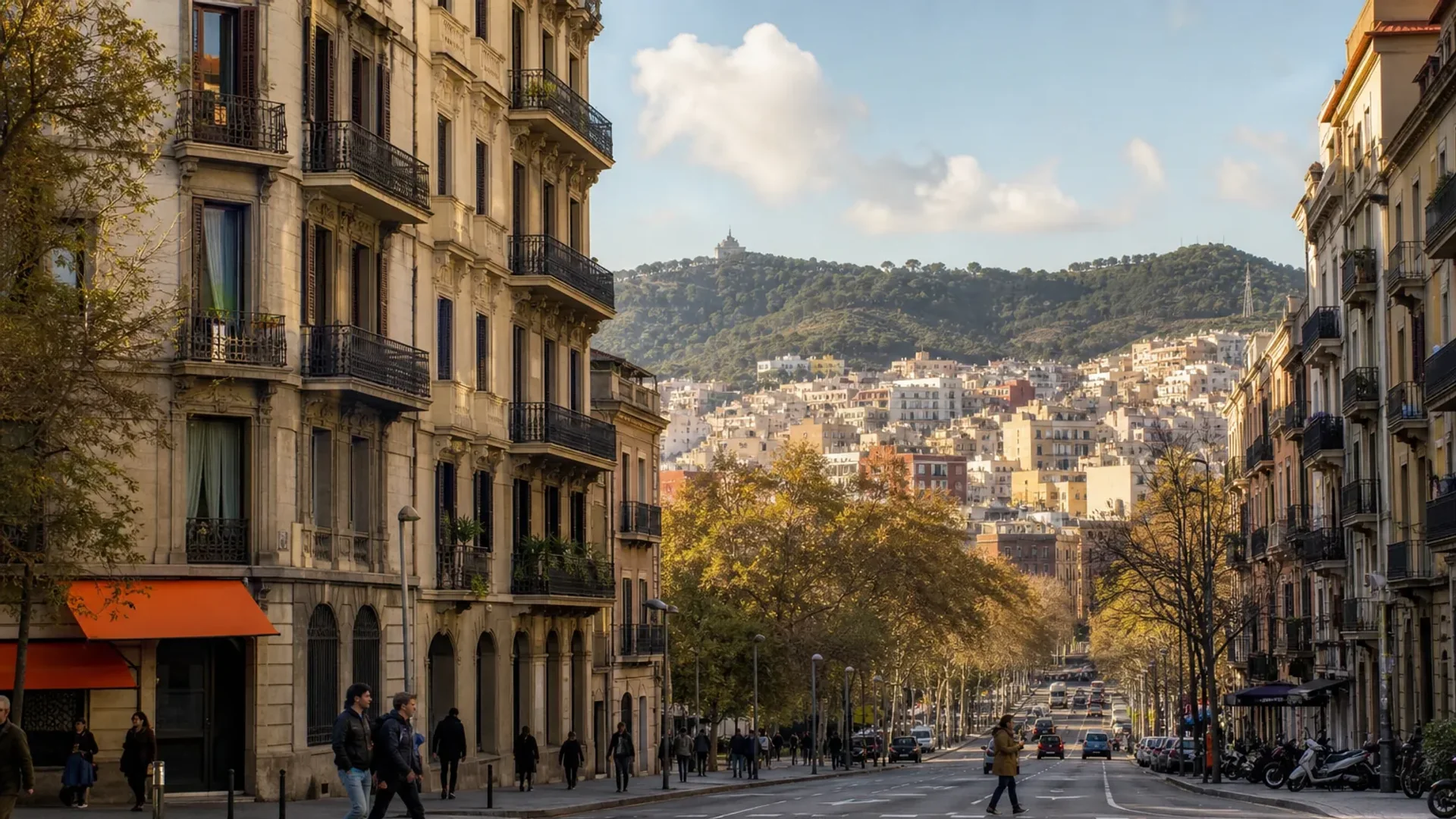
Barcelona’s Gothic Quarter looks like the obvious base, but it often costs as much as the polished Eixample districts. We’d start with your trip length, sleep needs, and daily route, then choose between Eixample, Gràcia, Sant Antoni, El Born, and the beach.
Here’s how we’d make that call without paying extra for a postcard view you won’t have time to enjoy.
Choosing where to stay in Barcelona for first time travel is easier when you begin with the trip itself. A two-night stop before a cruise needs a different base than a ten-day stay with a kitchen.
For one to three nights, we’d choose Eixample. It gives you a central, walkable base with strong metro access. You can reach the old city without sleeping in its noisiest lanes. That saves time when your itinerary is tight.
For four or five nights, Eixample still makes sense. El Born becomes worth a look if atmosphere matters more than quiet. Its medieval streets, restaurants, and late-night bars put you close to the historic center, but the trade-off is noise.
For six to nine nights, consider splitting the stay. Spend the first three or four nights in Eixample for major sights. Then move to Gràcia or El Born for a different feel. The move costs time, so only do it if the change in setting is part of the trip.
For ten nights or more, Sant Antoni or Gràcia can work better than a hotel-heavy center. Apartment stock is more common in both areas, though availability and quality vary. A kitchen also becomes useful when restaurant meals stop feeling like a treat.
We use the same test for every neighborhood: how will you get back after dinner, how much sleep do you need, and how many sights sit on your actual route? Barcelona’s compact tourist core helps. Still, a poor location can cost you sleep or add a daily transfer.
Before fixing your base, sketch each day on a map. Our Barcelona itinerary for 3, 4, or 5 days helps set a pace that leaves room for meals and transit.
For a short first visit, our verdict is plain: choose central convenience over a forced local feel. You can explore a residential district during the day. You can’t recover a lost hour each morning.
For most first-time visitors, Eixample is the safest starting point because it is central, walkable, and well served by metro lines. But Eixample is large. The side of the district you pick changes the mood and the price.
| Area | Typical nightly price | Feel | Choose it if | Watch for |
|---|---|---|---|---|
| La Dreta de l’Eixample | $200 to $300 | Elegant and grand | You want Modernista architecture and many metro stops | Prices rise near the grandest avenues |
| Esquerra de l’Eixample | About $200 | Residential and calm | You want local streets with metro access | It has fewer headline sights |
| Gràcia | $150 to $200 | Bohemian and relaxed | You are staying longer or want neighborhood life | It sits slightly uphill from the center |
| Sant Antoni | About $150 | Casual, food-focused, and lively | You want the old city nearby without sleeping inside it | Hotel supply is limited |
| Eixample | Varies by block | Central and city-like | You have three to five days | Passeig de Gràcia can cost more |
La Dreta de l’Eixample is the polished choice. It puts you near grand avenues, Modernista buildings, and many metro stops. The area looks expensive, but its reported $200 to $300 nightly range overlaps with the Gothic Quarter. Historic does not always mean cheaper.
Esquerra de l’Eixample feels more residential. Families live here, and the streets have shops, bars, and daily errands rather than one sight after another. It suits a longer stay or anyone who wants a quieter room while remaining close to central Barcelona by metro.
Gràcia has a stronger neighborhood identity. Five metro stops ring the area, and its squares give the district a slower pace. The catch is distance. You will spend more time reaching the Gothic Quarter, and the uphill walk becomes noticeable after a full day.
Sant Antoni sits beside the old center and has good food access. Research entries place the typical hotel price near $150 per night, while transport access is repeatedly described as strong. It is a sensible compromise for travelers who want a local feel without giving up central routes.
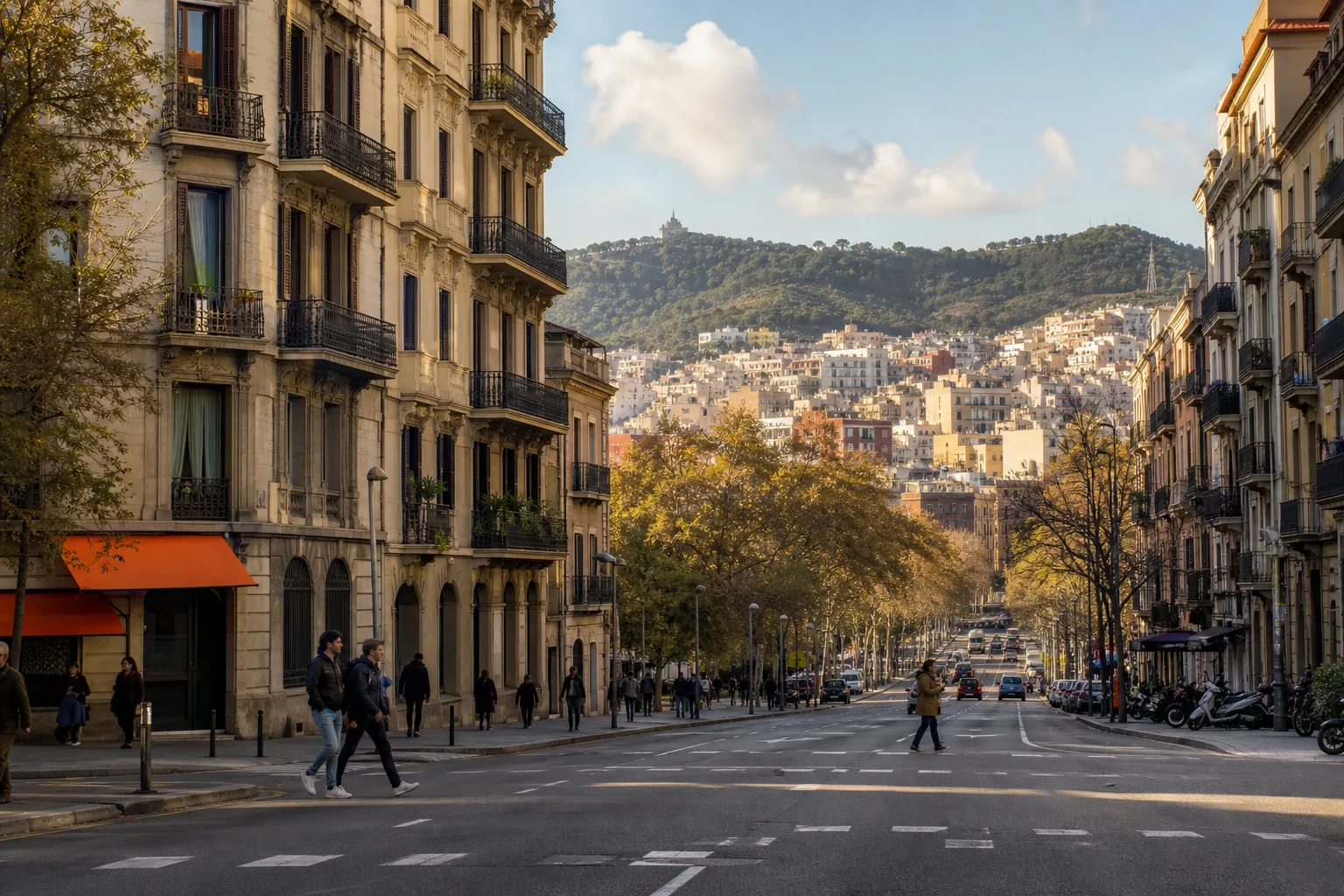
Across the researched neighborhood entries, hotel rooms dominate. The six areas with stated prices fall into a narrow $150 to $300 range, with a reported average of $183. That means the right trade-off is usually about noise, transit, and daily mood rather than chasing a tiny price gap.
Key Takeaway: Pick La Dreta for easy first-visit logistics, Esquerra for a calmer base, Gràcia for a longer stay, or Sant Antoni for food and old-city access.
Historic Barcelona gives you atmosphere at the door, while the beach gives you sea air and a slower morning. Neither is automatically the right base for a first visit.
El Born is the more balanced historic option. It has medieval streets, strong dining, and nightlife, while locals still use the area. It is a good fit for couples, solo travelers who like evening energy, and visitors staying more than five nights.
The downside is clear. El Born can stay loud late in the week, especially from Thursday through Sunday. Ask for an interior room, check recent room notes, or choose another district if sleep is a priority.
Barrio Gótico puts you closest to the old city sights. Its lanes are heavily pedestrianized, and the metro access is strong. Yet it is also heavily touristed. Some visitors love stepping outside into medieval streets. Others find the crowds and tourist-focused restaurants tiring.
The historic center is worth it when your trip is short or your evenings matter. It is less useful when you plan long day trips, early starts, or quiet mornings. We would not pay a premium for a Gothic Quarter address simply because it sounds romantic.
Beach areas make sense for a beach-first trip. Barceloneta has a beach neighborhood feel, narrow streets, and summer crowds. Poblenou has a waterfront setting with an industrial past and L4 metro access. Both add travel time to many inland sights.
Ask yourself one blunt question: will you go to the beach most days? If the answer is no, stay closer to your sightseeing route. You can visit the coast without making it your bedroom window.
Use a walking route to test the historic center before you book. A focused walking tour can show you whether the old lanes feel atmospheric or simply crowded during your dates.
Our call is simple. Choose El Born for character with central access. Choose Barrio Gótico for the shortest route to historic sights. Choose Barceloneta or Poblenou only when the beach is part of the plan, not a nice idea you may abandon after one visit.
Metro access matters more than a map pin when you’re deciding where to stay in Barcelona for first time travel. A room that looks central can still be awkward if your route requires long walks or multiple changes.
Start with your three most important places. Mark the accommodation, then check the walk to a metro stop. Do the same for your first morning sight and your likely dinner area. You are looking for a repeatable route, not one perfect journey.
Sant Antoni is described with several nearby stops, while Eixample connects with L2, L3, L4, and L5. Gràcia has five metro stops around the neighborhood. More options give you a better fallback when one route feels slow.
The city’s metro system uses numbered lines and station interchanges, so check the full route instead of judging distance by eye. Wikipedia’s metro overview explains the line and station network in one place.
Then check noise at street level. A hotel near bars may look perfect at noon and feel awful at 2 a.m. Read the room description closely. Interior rooms can help in El Born, while a room above a busy lane may not suit light sleepers.
Check the block, not just the neighborhood name. Eixample changes from glamorous around Passeig de Gràcia to more local near Universitat and Sant Antoni. Gràcia can feel calm on one street and busy around a square. The few minutes between a metro stop and the hotel can shape every day.

We also check the return trip. If you plan late dinners, note when you will walk back and whether the route feels comfortable for your group. This is where a slightly less central room can win. A quiet block near reliable transit often beats a famous address above a noisy bar.
Pro Tip: Search the exact hotel address with the words “noise,” “street,” and “room.” Then ask for a high floor or interior room before arrival if sleep matters.
By now, you should have two neighborhoods left. Keep both until you compare the exact hotel block, not just the district name.
The final choice comes down to one room, one block, and one daily route. We would not book from a neighborhood label alone.
First, set your nightly ceiling in US dollars. The available neighborhood data clusters around $150 to $200 for Gràcia, Sant Antoni, El Born, and Esquerra de l’Eixample. La Dreta de l’Eixample and Barrio Gótico sit in the $200 to $300 band.
Next, remove any room that fails your sleep test. A cheap room above late-night activity is not a saving if you spend the next day exhausted. Likewise, a beach room is poor value when every major sight requires a long ride.
Then compare the room itself. Look for clear details about air conditioning, lifts, room position, and cancellation terms. The research points to hotels as the main accommodation type, with boutique hotels appearing in only a small share of entries. That makes the exact property more important than a vague neighborhood promise.
For a first visit of three to five days, we’d usually book Eixample. La Dreta fits travelers who want polished architecture and central routes. Esquerra fits travelers who prefer residential streets. Sant Antoni works when food and local rhythm matter more than landmark views.
We would skip Barrio Gótico during the busiest travel periods if crowds drain you. We would skip Barceloneta if the beach is not a daily priority. We would also skip a far-out apartment that saves money but adds a long commute every morning.
Dream Book Travel keeps the decision editorial. We would rather tell you to skip a tempting address than push a room that does not fit your trip. That is the useful part of a friend’s advice.
Before paying, save the hotel address offline and check the route from your arrival point. Then make one booking, not three tentative holds you forget to cancel. If your dates are flexible, compare the same room across nearby blocks before accepting a higher rate for a famous district.
Our final decision rule: choose the neighborhood that makes your most common day easy. The guides won’t always say that, because “historic center” sounds better than “ten minutes from the right metro line.”
Eixample is the safest all-around base for a first visit because it is central, walkable, and well connected. La Dreta suits visitors who want grand architecture and major sights nearby. Esquerra feels quieter and more residential. Pick the exact block with care, since Eixample’s mood changes across the district.
The Gothic Quarter works if you want historic streets outside your door and plan a short trip. It is heavily touristed, and rooms can cost as much as those in La Dreta de l’Eixample. Choose it for direct old-city access, not because it is automatically cheaper or quieter.
Eixample is better for easy transport and sleep, while El Born is better for historic atmosphere and nightlife. El Born can get loud late, especially later in the week. If you have three to five days, Eixample gives you a more forgiving base. Choose El Born when the neighborhood mood is part of the trip.
Gràcia is not too far for a longer stay, but it is less efficient for a short first visit. The area has five metro stops and a strong local feel, yet you will spend more time reaching the Gothic Quarter. It suits slow travelers who value neighborhood life over the shortest sightseeing route.
Stay near the beach only if you plan to use it often. Barceloneta is convenient for sun and sea, but summer crowds can be heavy. Poblenou gives you a waterfront setting with L4 metro access. For a sightseeing-first trip, Eixample or Sant Antoni usually cuts down daily travel.
For most first-time visitors, we’d choose a quiet room in Eixample, then check the exact walk to a nearby metro stop before booking. If your stay is longer, Gràcia or Sant Antoni can give you more neighborhood life. Use Dream Book Travel’s Barcelona pickpocketing guide while you plan your routes, then book the block that makes your most common day easiest.
Use this Edinburgh itinerary 3 days plan for honest sightseeing, transit tips, free stops, museums, budget notes, and what to skip.
Find the best areas to stay in London for tourists, with honest advice for first-time visitors, culture lovers, foodies, and theater fans.
Find the best Greek islands for families by travel style, beach access, activities, and travel-day tradeoffs. Honest picks and planning notes.