
Edinburgh Itinerary 3 Days: A Practical Plan
Use this Edinburgh itinerary 3 days plan for honest sightseeing, transit tips, free stops, museums, budget notes, and what to skip.
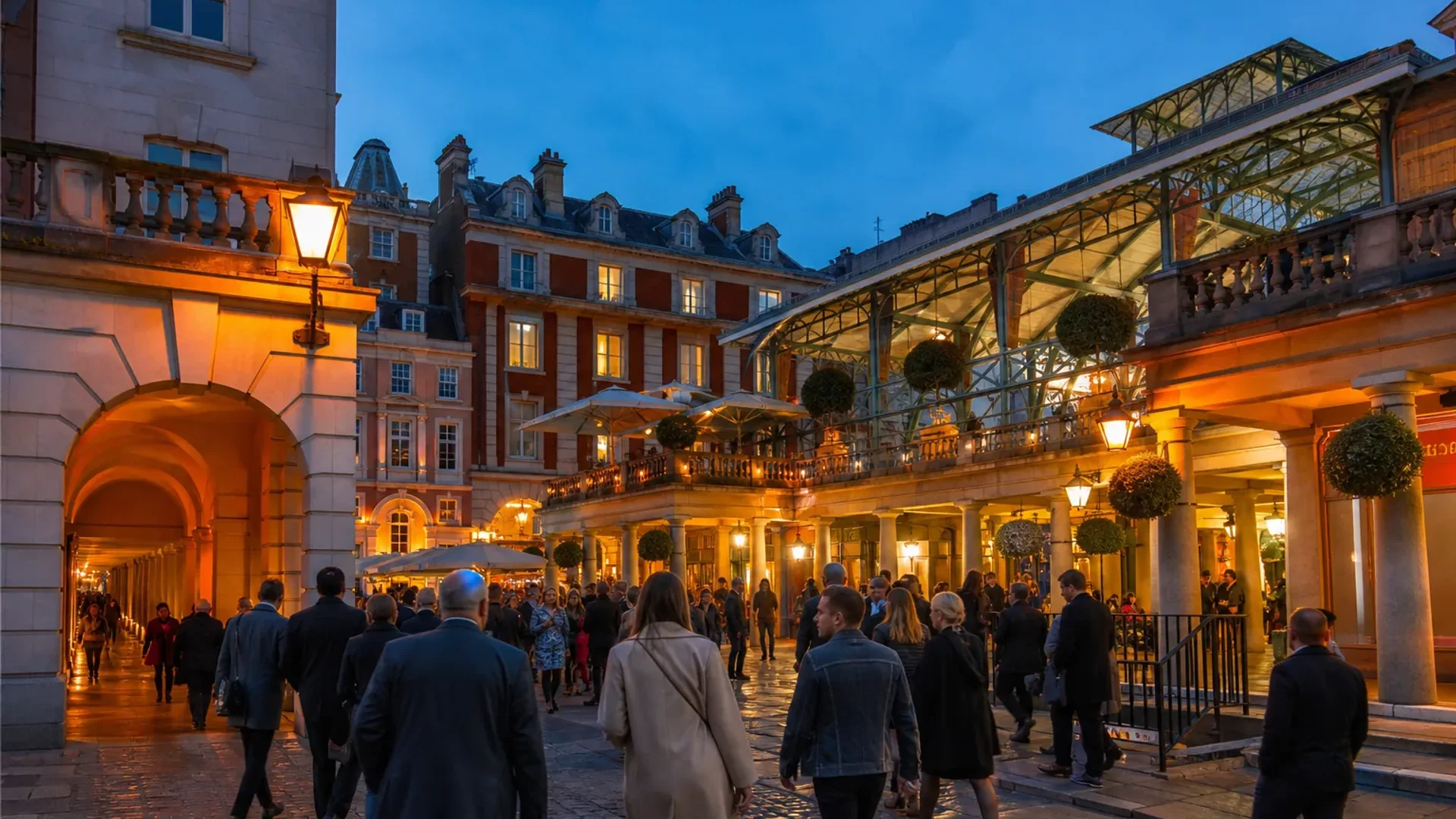
London doesn’t have one perfect base. The right area depends on what you plan to do after breakfast, and how much time you’re willing to spend crossing the city. We use five clear traveler profiles as a starting point, then check the missing pieces, such as price, transport, and noise, before booking.
For tourists who want theater at night and major sights by day, Covent Garden is the simplest place to start. It keeps you close to the action, but that convenience comes with crowds and a less quiet feel.
The official Visit London listing says the museum holds more than 80 vehicles covering 200 years of London’s transport story. It also lists a current ticket price from £27, though prices can change, so check before you plan your budget. gives the current attraction details.
Make Covent Garden your base when your plan includes a West End show, a short first-day route, or a family trip where you want a clear landmark. It also works when you dislike spending the first hour of every morning figuring out how to reach the center.
But don’t book it simply because it sounds central. Central can mean busy. A room near a busy square may suit a late-night theater fan and annoy someone who wants an early night. Check recent room reviews for street noise, then look at the walk from the property to your evening venue.
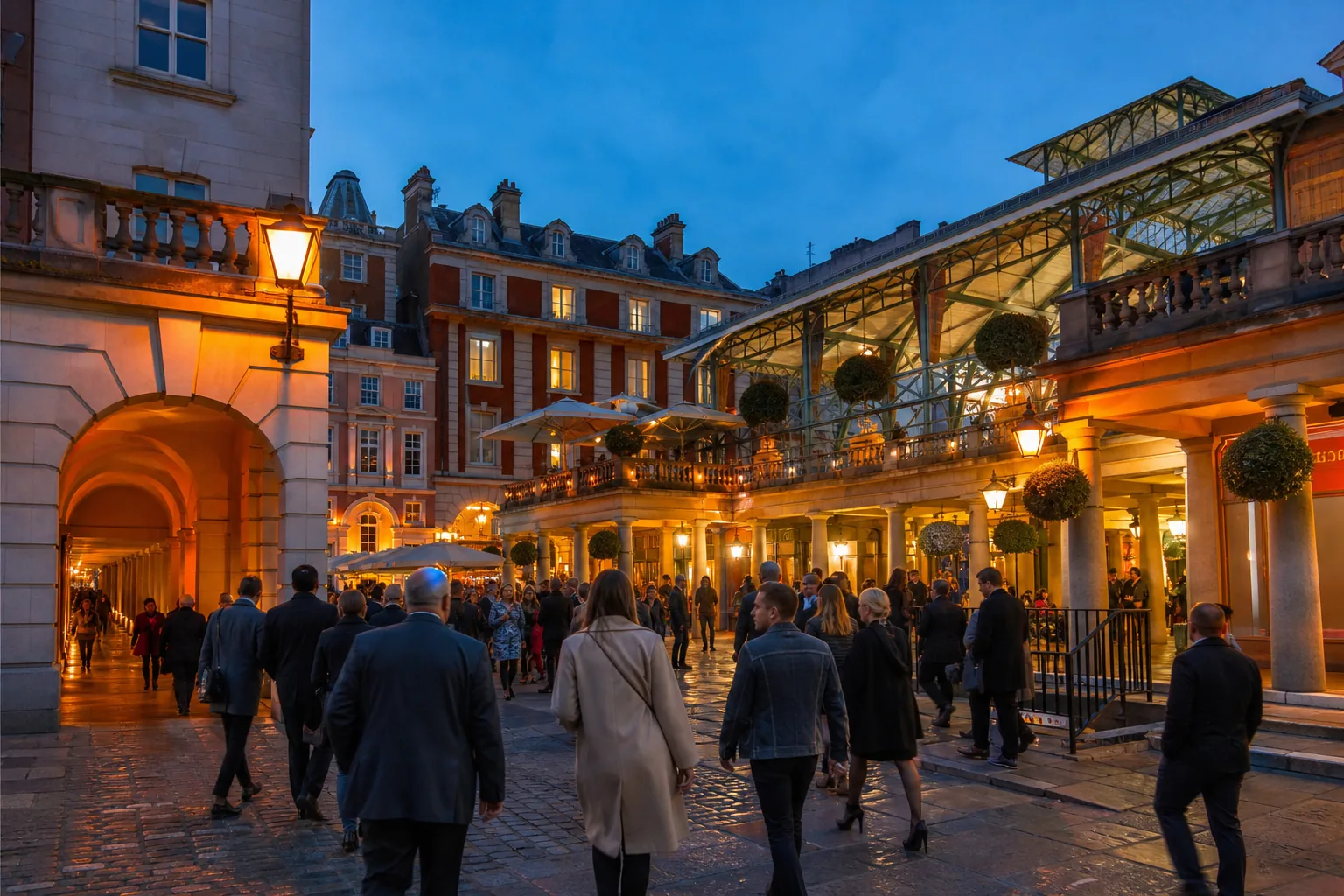
We’d also avoid packing every major sight into one day. London looks compact on a map, but long walks add up fast. Choose one museum or landmark cluster, then leave room for the show. That small change saves you from arriving tired and treating an expensive theater ticket like a chore.
Decision rule: Choose Covent Garden when location beats quiet. Skip it when your ideal evening ends with silence outside the window.
Brixton suits tourists who want their London days to revolve around food, murals, and local culture. It is a stronger match for curiosity than for a checklist of central landmarks.
The research names Brixton’s murals as its main attraction and labels the area for culture lovers, foodies, and street-art fans. That gives you a clear reason to stay there. You aren’t choosing Brixton because every sight is close. You’re choosing it because the neighborhood itself is part of the trip.
Plan your days around a slow look at the murals, followed by time to eat. Leave space for detours. This kind of stay works best when you don’t need each hour to point toward a famous central attraction.
The trade-off is travel time. Before booking, enter your actual destinations into a current route planner. Test the trip home after your latest planned activity, since the evening route may matter more than the morning one.
Brixton is also a poor fit if you want to step outside and see the classic central sights at once. You can still visit them, but your plan needs fewer back-and-forth trips. Group central activities together on one day, then give Brixton its own day.
Pro Tip: Save your evening return route before you leave home. A neighborhood can feel easy in daylight and less clear after a long dinner.
Choose Brixton when the district’s food and street art are part of your reason for visiting London. If they are only a side trip, stay closer to your main sights instead.
Hampstead and Islington solve different problems, even though both can appeal to travelers who want more character than a standard tourist base. Hampstead leans quiet and village-like. Islington leans toward food and culture.
The guide names Burgh House as Hampstead’s main attraction and points to travelers seeking a village vibe. That makes the area a good fit for a trip with slower mornings, local walks, and fewer late-night plans.
Hampstead works well for a longer stay because your lodging area can feel like part of the day. You might spend the morning nearby, then head into central London for one planned activity. The catch is clear: if your itinerary is packed with theater, museums, and landmarks, you may spend too much time commuting.
Islington is matched with culture-focused travelers and foodies. Its named attraction is Highbury Fields, which gives the area a green space alongside its cultural and dining appeal.
We’d look at Islington when you want evenings that don’t depend on major tourist sights. It can suit a traveler who plans meals as part of the itinerary and prefers a neighborhood with its own rhythm. Still, don’t assume a food-focused area will place every sight nearby. Map your must-see list before you commit.
If you’re comparing how different districts shape a city trip, our guide to neighborhoods to stay in Lisbon uses the same basic test: match the area to your daily plans, then weigh the trade-off. London needs that discipline even more because the city spreads wide.
Our call: Pick Hampstead for the mood of the stay. Pick Islington for the way you want to spend your evenings. Neither is the obvious choice for a first visit built around nonstop central sightseeing.
Shoreditch fits tourists who want art, nightlife, and a younger social scene close to where they sleep.
This framing is useful because it sets expectations. Shoreditch is a poor match for travelers who want a quiet room, an early start, and a short walk to every classic sight. It makes more sense when your evenings matter as much as your mornings.
Use Shoreditch as a base for a trip with flexible days. Plan one main cultural goal, then allow room for the area’s bars, music, and street-level art. Keep your schedule light the morning after a late night. London is less fun when every day begins with a rushed recovery plan.

Check the exact street before booking. A neighborhood label can cover several blocks with very different noise levels. Read reviews from guests who mention sleep, then look at the room’s position inside the building. A courtyard-facing room may feel very different from one above a busy street.
Victoria Park gives the area a different side, while MOTH Club fits the music and nightlife profile named in the source guide. We would not claim that either attraction tells you the full story of a hotel block. Attractions identify a reason to visit. They don’t replace a room check.
For another example of matching a district to travel style, to areas to stay in Tokyo. The same principle applies here: choose your base around the days you actually want, not the neighborhood with the loudest reputation.
Shoreditch is worth considering when you want the city to stay lively after dinner. Skip it if nightlife is something you plan to endure rather than enjoy.
Covent Garden is the clearest fit for first-time visitors who want theater and easy access to central sightseeing. It is also busy, so check street noise before booking. If your trip focuses more on food, art, or a quiet village feel, Brixton, Shoreditch, Hampstead, or Islington may suit your actual plans better.
Covent Garden is worth it when you value a central base and plan to see theater. The area is less appealing if you want quiet nights or a neighborhood feel. Treat its location as the main benefit, then compare the room’s exact street, price, and walk to your evening plans.
Brixton and Islington are the strongest matches for food and culture in this guide. Brixton centers on murals and a more distinct local-culture angle. Islington suits travelers who want food alongside cultural plans and time in Highbury Fields. Choose between them by checking your evening route and sightseeing list.
Shoreditch is the clearest nightlife fit among these London areas. The research links it with artists, students, and a younger scene, plus MOTH Club and Victoria Park. Check the exact hotel block before booking, since a lively area can mean street noise. It is a weak fit for light sleepers.
Compare each area against your daily route, room price, noise level, and return journey. The neighborhood guide used here does not supply rates, transport details, or safety scores, so fill those gaps with current booking results, route checks, and local public information. Then choose the area that saves time on your most important days.
We recommend choosing the neighborhood that matches your main reason for visiting, not the one that sounds most central. Start with your itinerary, check the room’s exact location, and use Dream Book Travel’s guides when you want a second editorial check before booking. Dream it. Plan it. Live it.
Use this Edinburgh itinerary 3 days plan for honest sightseeing, transit tips, free stops, museums, budget notes, and what to skip.
Find the best Greek islands for families by travel style, beach access, activities, and travel-day tradeoffs. Honest picks and planning notes.
Use this Prague itinerary 3 days plan to see major sights, save time, manage transit, and budget in Czech koruna.