Edinburgh Itinerary 3 Days: A Practical Plan
Use this Edinburgh itinerary 3 days plan for honest sightseeing, transit tips, free stops, museums, budget notes, and what to skip.
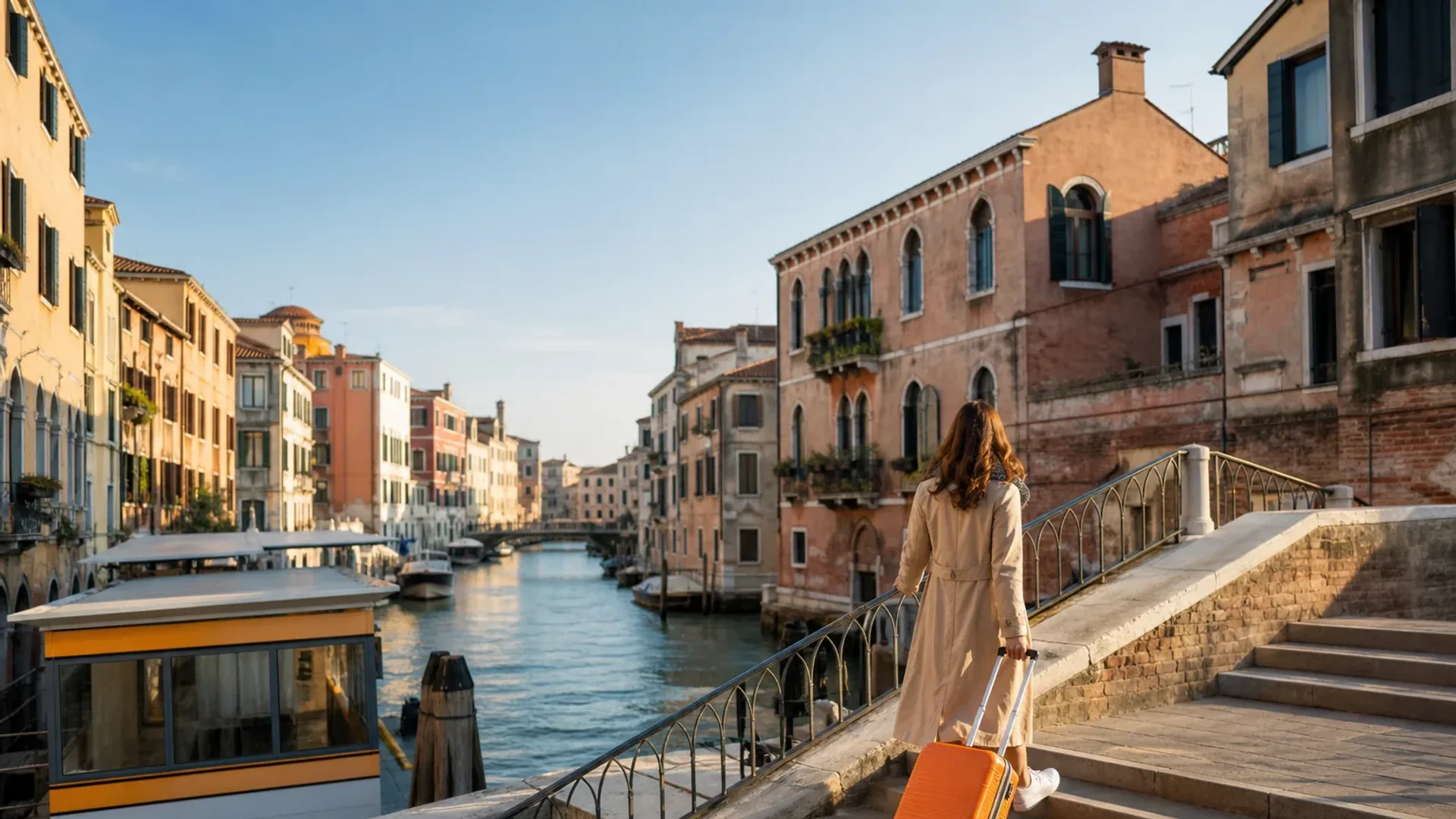
Two days in Venice can feel generous or rushed, depending on when you move. We front-load St. Mark’s Square, Doge’s Palace, and Rialto before the crowds build, then use day two for Dorsoduro and the lagoon. This Venice itinerary 2 days plan leaves room for cicchetti, a Grand Canal ride, and one paid experience without turning the trip into a race.
Dream Book Travel writes itineraries for travelers who want a clear verdict and an honest skip. Here, the verdict is simple: Venice is worth two days, but only if you group sights by area and protect your mornings.
We pulled current official prices for four paid options in Venice. A single vaporetto ticket costs 9.50 euros, and the 48-hour pass costs 35 euros. The Doge’s Palace ticket lists at 35 euros at the door, and a 30-minute gondola ride costs 90 to 110 euros. That spread, from 9.50 to 110 euros across just four listed prices, shows why comparing options before buying protects a two-day Venice budget.
Your base decides how much time you lose with luggage, bridges, and water buses. For a short Venice itinerary 2 days trip, stay on the historic island if the price fits your plan.
Cannaregio: Choose it for a calmer evening and a local feel. It sits north of San Marco, has restaurants and bars, and remains close enough for a walk to the major sights. The trade-off is a longer trip to some southern stops and to the train station.
Dorsoduro: This works well if you want art, student life, and a quieter dinner scene. Peggy Guggenheim Museum and the Accademia area sit nearby. It also gives you a good route into San Marco by foot or vaporetto.
Santa Croce and San Polo: Pick this area when arrival ease matters most. It sits near the main train station and Rialto. You’ll walk less with a suitcase, but the streets can feel busy and room rates tend to rise near the main routes.
San Marco: Stay here if you want to step outside near the main landmarks. You’ll pay for that location in noise, crowds, and often in room cost. It makes sense for one night, limited mobility, or a very early departure.
Castello gives you more space and a quieter feel, but it adds walking time. Mestre can lower the room cost, yet the daily trip into Venice eats into a two-day visit. We’d only use the mainland when the savings clearly beat the lost time.
The historic center of Venice is built across islands, so bridges are part of every walk. A wheeled suitcase can become a burden fast. Pack light, and ask your lodging for the nearest vaporetto stop before arrival.
Arriving by train puts you at the city’s main train station. Step outside and you’ll see the vaporetto stops near the station plaza. Arriving by air usually means reaching the city by public boat service, bus, or water taxi.
Don’t plan a major ticketed sight on arrival day. Allow time for the transfer, hotel check-in, and the first wrong turn. Venice rewards wandering, but it punishes a tight schedule when luggage is involved.
Pro Tip: Save your lodging address, the nearest vaporetto stop, and one walking route offline before you leave the airport.
For more route ideas after this trip, Dream Book Travel’s guide to things to do in Venice helps you decide what deserves another day.
By now, you should have a bed near the route you want, a clear arrival plan, and no major booking squeezed into your first hour.
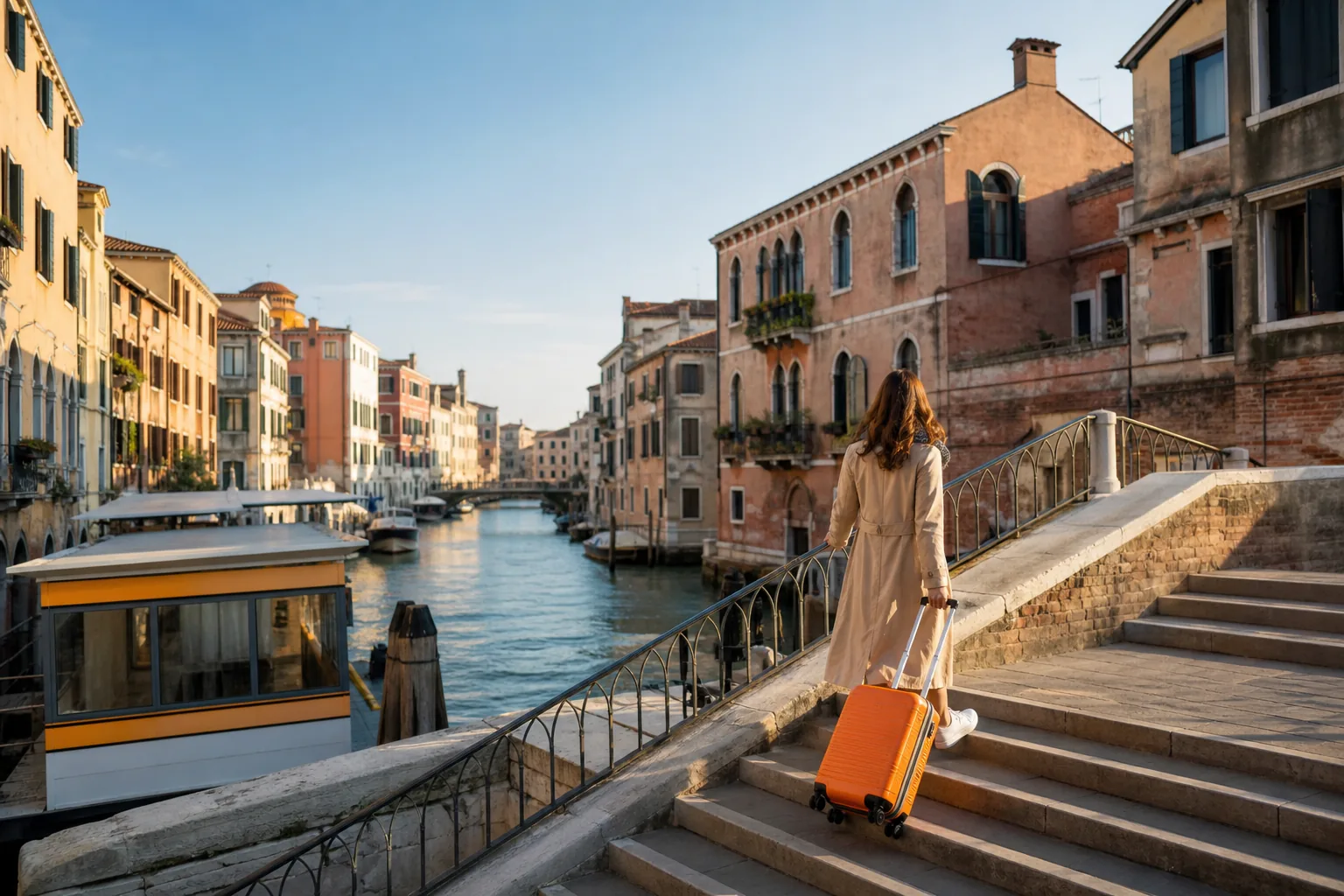
Day one of this Venice itinerary 2 days plan stays in the city center. Start before the tour groups arrive, then walk west toward Rialto instead of crossing the city by boat.
Reach St. Mark’s Square around 7:30 or 8:00 a.m. The square changes by the hour. Early on, you can see the basilica’s shape without a wall of people in every photo. Later, the same space becomes harder to cross.
Walk around the square first. Look at the arcades, the lagoon edge, and the Campanile before entering a sight. That short pause gives you a sense of the square’s scale.
St. Mark’s Basilica needs about 45 to 60 minutes. If your visit falls on Sunday, check the mass schedule before setting a time. A service can change access and the pace inside the church.
Dress with shoulders and knees covered. Carry a light layer rather than relying on a last-minute purchase near the entrance.
Next, visit Doge’s Palace. The listed entry price is €25, or roughly $28 depending on the exchange rate when you pay. Allow about two hours. Go early, since the palace becomes much harder to enjoy once large groups fill the rooms.
Inside, move at a steady pace through the public halls before reaching the Bridge of Sighs and the old prison route. The palace is worth your time if you like political history and large-scale art. If grand rooms blur together for you, skip the Campanile later and keep the afternoon loose.
Walk toward Rialto after the palace. Use the route as your sightseeing. Venice makes its strongest case in small campi, narrow lanes, and canals that appear after a turn.
Reach Rialto Market as early as possible if you want to see the food trade at work. It becomes less useful as a market visit once the morning rush has passed. The Rialto Bridge itself costs nothing, but the center gets packed during the day.
Stop in a bacaro for cicchetti and a drink. These small snacks work well when you don’t want a long lunch. Order a few bites, eat at the bar, then keep walking. A full restaurant meal can wait until evening.
The market area is also a good place to pause before deciding on another sight. Libreria Acqua Alta takes about an hour if you enjoy unusual bookshops.
Take the Grand Canal by vaporetto before dinner, or walk back through San Polo if your feet still work. Stop at Accademia Bridge for a wide canal view. Then cross into Dorsoduro or return to Cannaregio for cicchetti and a slower meal.
We’d skip trying to fit a museum, a full dinner, and a gondola ride into the same two-hour block. Venice feels better when one part of the evening stays unclaimed.
Key Takeaway: Put the two busiest paid sights first, then let Rialto and the evening carry the rest of day one.
That order also gives you a clean backup. If the basilica line is too long, move to Doge’s Palace first. If rain arrives, spend more time inside the palace and shift the canal ride to day two.
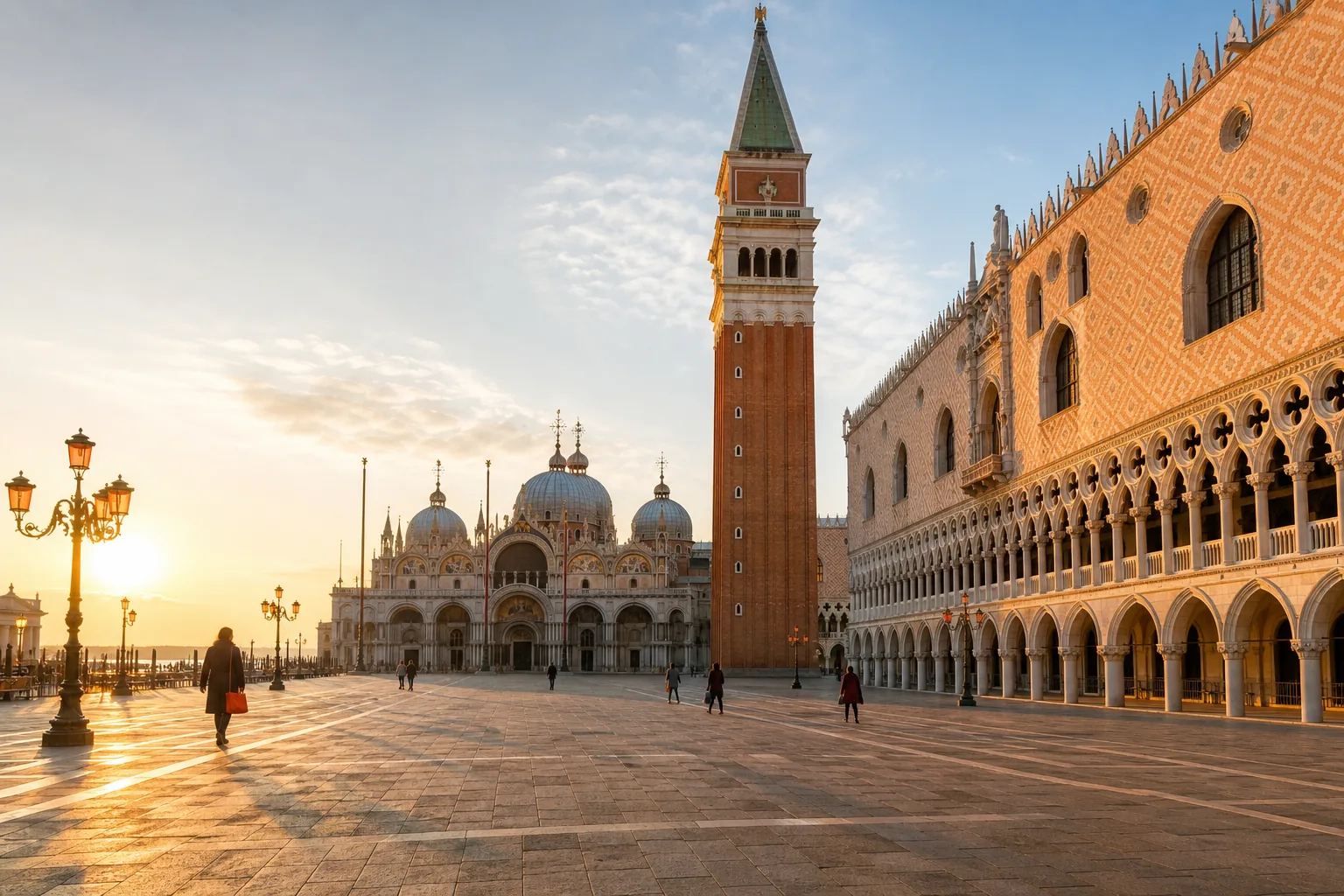
Transport can either protect your time or quietly drain your budget. In a Venice itinerary 2 days plan, walk for short routes and use a pass when you’ll cross the lagoon or ride the Grand Canal more than once.
| Option | Listed cost | Use it when | Trade-off |
|---|---|---|---|
| Single vaporetto ticket | €9.50, about $11 | You need one planned ride | Several rides add up fast |
| 48-hour Venezia Unica pass | About €20, roughly $22 | You expect repeated water-bus trips | It may not pay off if you walk almost everywhere |
| Venice Travel Card (1-day vaporetto pass) | €25 | You need heavy use for one day | It costs more than the listed 48-hour pass |
| Gondola ride | About €100 | You want the classic private-style experience | The listed price has no stated duration |
| Row Venice rowing experience | €85, roughly $94 for one or two people | You want 90 minutes on the water | It needs advance planning and a bigger time block |
The pass pricing needs a close look. Check the current official fare before buying, since passes and access rules can change.
Validate a ticket before the first ride. Keep the pass handy at each stop. A water bus is public transit, not a sightseeing cruise, but Line 1 gives you a slow view of the Grand Canal while it moves between stops.
Use Line 1 when your route matches it. Ride from the station area toward San Marco, then stay near a window if you can. You’ll see palaces from the water without paying for a private boat.
For a private ride, compare the gondola cost with the 90-minute rowing session. The price difference is modest, but the experience is different. A gondola gives you the familiar Venice scene. Row Venice is a longer activity with a stated duration and a limit of one or two people.
We don’t treat a gondola as transport. It follows a scenic route and costs around €100. If that price makes you wince, take Line 1 or look at a short traghetto crossing instead. You’ll still get water-level views without building the whole budget around one ride.
Check routes before leaving your room. Water buses take longer than a map suggests because stops, loading, and canal traffic add time. Build a buffer before every timed ticket.
Pro Tip: Use the pass for the Grand Canal and island routes, then walk between nearby sights. That gives you scenery without paying for every short hop.
By now, you should know whether the 48-hour pass fits your route. If you’ll take only one ride, buy a single ticket. If you’ll visit islands or cross the city several times, the pass gives you more freedom.
Day two gives this Venice itinerary 2 days plan its breathing room. Choose either the lagoon islands or a deeper city day, then spend the late afternoon in Dorsoduro.
Leave early for Murano if glass interests you. Continue to Burano if you want colorful streets, lace shops, and a slower lunch. The trip uses time, so don’t pretend you can add every museum afterward.
The Lace Museum on Burano gives the island a clear cultural stop. A seafood stand can cover lunch without a long table service. Keep an eye on the return vaporetto times, since missing one can move your whole afternoon.
Murano and Burano make sense when your priority is craft and lagoon life. Skip them if your priority is art inside Venice or a long meal. Two days can hold one major detour, not every possible one.
Start around Accademia Bridge, then choose one museum. The Peggy Guggenheim Museum fits travelers who prefer modern art. The Gallerie dell’Accademia fits travelers who want Venetian painting.
Don’t force both into a short afternoon. Pick the collection you’ll actually give time to. Then walk through Dorsoduro toward Campo Santa Margherita.
Artisan work adds another route. The Guarnieri Glass Factory demonstration is listed at €3 per person, roughly $3 to $4, and is recommended on weekdays rather than weekends. That makes it a smart low-cost add-on when your dates line up.
Keep your expectations clear. A short demonstration is not the same as a full workshop. It gives you a look at the craft without taking the time or money required by a longer paid activity.
Finish at Accademia Bridge for a Grand Canal view. Fondamenta della Misericordia gives you another waterfront walk if you return toward Cannaregio. The point is to stop moving before dinner.
Stay in Dorsoduro for the evening if you chose the museum route. Return to Cannaregio if you want a canal-side bacaro crawl. A sunset gondola ride can fit here, but book it only if the cost feels right after your main sights.
Dream Book Travel keeps the same rule across its city plans: pay for the experience you care about, then let free streets and public water carry the rest.
By now, you should have one clear day-two theme. Choose islands for craft and color, or choose Dorsoduro for art and a slower city walk.
Food works best as a series of short stops in a Venice itinerary 2 days visit. Use breakfast to reach the first sight early, then let cicchetti fill the gaps between landmarks.
Keep breakfast small. Order coffee and a pastry near your first route, then leave before the square fills. A cream-filled Venetian pastry or a simple filled croissant gives you enough fuel without turning breakfast into a two-hour event.
Rialto Market works as a morning stop when you arrive early. You’ll see produce and seafood activity before the area shifts toward sightseeing. If you sleep near Cannaregio, start there and walk south. If you sleep near San Marco, use the square as your first visual stop.
A bacaro is a wine bar built around small bites. Choose a few pieces, add a glass of wine or a spritz, then sit only if the place allows it. Some bars include a small bite with a drink, but ask before assuming it comes free.
Cicchetti can keep lunch flexible. That matters on day one, when a palace visit may run long. It also lets you eat in San Polo, Cannaregio, or Dorsoduro without planning the whole afternoon around one reservation.
Look for a busy bar with people standing at the counter, not a menu filled with staged photos outside. Keep your order simple. One round tells you more than committing to a long meal while you’re still learning the neighborhood.
Save a sit-down meal for the evening. Venetian menus often lean toward seafood, pasta, and small plates. Order the dish that sounds good, not the longest list of local names.
A spritz fits before dinner, especially in Cannaregio or Dorsoduro. Gelato works after the walk back from the water. Treat it as a pause, not another attraction to chase.
We’d skip any restaurant that promises a full Venice experience through a large sign and a rushed set menu. Walk one or two streets away from the busiest square, read the menu, and check the final price before ordering.
There’s no need to make every meal cheap. One good dinner plus two cicchetti stops usually feels better than paying for three rushed restaurant meals.
The final step turns a pretty plan into a usable Venice itinerary 2 days schedule. Set a budget for transport, one paid landmark, one food splurge, and one optional water experience.
These prices are planning figures, not a promise at the ticket desk. Check each official seller before paying, especially for timed entry and transport passes.
Keep your bag closed in crowded squares, bridges, and vaporetto queues. Don’t place your phone in an open coat pocket while checking directions. Venice is easy to walk, but a lost wallet can ruin the day faster than a wrong turn.
Use one map app and download the key routes. The city’s lanes can make a short distance feel confusing. When a street ends at water, turn back without treating it as a crisis. That is normal here.
If you arrive during a period when the Venice access fee applies, check the official city rules before your trip. Overnight guests may be exempt from the payment, yet registration can still be required. Don’t guess at the station.
Skip the Campanile when the sky is foggy or your day already has two long indoor visits. Skip Murano and Burano if the boat time would force you to miss Dorsoduro. Skip the private gondola if you’re only considering it because every itinerary mentions one.
Also skip the idea that you need to see every neighborhood. Cannaregio, Dorsoduro, San Marco, and Rialto give you enough contrast for two days. Castello can wait for a longer stay.
For a deeper look at the price choices behind the classic boat ride, Dream Book Travel’s guide to how much a gondola ride in Venice costs compares the ride with lower-cost alternatives.
Key Takeaway: Spend on the sight or experience you care about, then protect your time by skipping the rest.
One final rule helps more than any packing trick: don’t schedule your departure too tightly after a water transfer. Boats run on routes, not on your flight anxiety. Leave room for a slow walk back to the station or airport connection.
Two days is enough for the main landmarks, a canal ride, one neighborhood walk, and either the lagoon islands or a museum afternoon. This Venice itinerary 2 days plan won’t cover every church or collection. It gives first-time visitors a strong shape without pretending the city can be fully checked off.
The most comfortable periods are usually spring and early autumn, while summer brings heavier crowds. Weather can change plans, so build indoor backups. For this Venice itinerary 2 days route, the hour of each visit matters more than chasing one perfect month.
You may need a pass if you’ll take several water buses or visit Murano and Burano. Walkers who take one or two rides should compare the totals before buying.
A gondola ride is worth it when the water-level experience matters more to you than the cost. The listed price is around €100, while a 90-minute Row Venice session is listed at €85 for one or two people. If neither fits your budget, Line 1 gives you a strong Grand Canal view.
Luggage storage is easiest near major arrival points, but you should confirm the current service and hours before arrival. Ask your hotel whether it can hold bags before check-in or after checkout. For this two-day route, staying near Santa Lucia, San Polo, or a vaporetto stop reduces the strain.
Yes, two days in Venice is worth it if you start early, stay near your route, and choose one paid water experience instead of collecting them all. Book Doge’s Palace, decide on the transport pass, and save the loose evening for cicchetti. Then use Dream Book Travel’s seasonal Italy planning guide to choose dates that fit your crowd and weather tolerance.
Use this Edinburgh itinerary 3 days plan for honest sightseeing, transit tips, free stops, museums, budget notes, and what to skip.
Find the best areas to stay in London for tourists, with honest advice for first-time visitors, culture lovers, foodies, and theater fans.
Find the best Greek islands for families by travel style, beach access, activities, and travel-day tradeoffs. Honest picks and planning notes.