Edinburgh Itinerary 3 Days: A Practical Plan
Use this Edinburgh itinerary 3 days plan for honest sightseeing, transit tips, free stops, museums, budget notes, and what to skip.

Most southern Spain itineraries tell you what to see. Few tell you how to move between cities, what needs a timed ticket, or where a day trip becomes a bad idea. We’d spend 10 days on a west-to-east route through Seville, Córdoba, Granada, and Málaga, with enough room for meals, hills, queues, and the occasional change of plan.
Dream Book Travel built this route for travelers who want the highlights without treating every morning like a race. We’ve included transport for each move, known entry prices in euros, and the stops we’d skip when time or weather turns against them.
A good southern Spain itinerary follows the rail line west to east: Seville, Córdoba, Granada, then Málaga. This order works because Seville takes the most energy, Córdoba sits naturally between the larger cities, and Granada gives the Alhambra the final major spot.
Five days is possible, but it feels tight. Use two nights in Seville, one in Córdoba, and two in Granada. Seven days feels much better. Ten days lets you slow down, add Málaga, and leave space for a half-day inland excursion or a coastal afternoon.
We’d fly into Seville and leave from Málaga if the airfare works. That open-jaw plan avoids backtracking. If you need to return to Seville, add a final rail leg rather than forcing Málaga into the middle.
| Trip length | Suggested nights | What fits | What to skip |
|---|---|---|---|
| 5 days | 2 Seville, 1 Córdoba, 2 Granada | One major sight per city | Half-day inland excursions and Málaga |
| 7 days | 3 Seville, 2 Córdoba, 2 Granada | Neighborhood time and a fuller Córdoba stay | Most day trips |
| 10 days | 3 Seville, 2 Córdoba, 3 Granada, 2 Málaga | Major sights plus slower meals and a coast finish | Only the day trips that add too much transit |
The three-city rail spine is simple. Seville to Córdoba takes about 40 to 43 minutes on direct trains. Córdoba to Granada takes roughly 1 hour 30 minutes to 1 hour 51 minutes. Buy each leg on its own. A pass does not add much value on this short corridor.
For a second opinion on route shape, this seven-day Japan itinerary with transit advice uses the same useful rule we follow here: limit major hotel changes and protect full days in each base.
We’d choose a rental car only if villages are the main point. A car helps with places such as Carmona, Antequera, or Loja, but it adds parking stress in Granada and narrow historic streets elsewhere. For the city route, trains win.

Key Takeaway: Ten days works because it gives each major city at least two nights and keeps the longest sightseeing days apart.
Book the Alhambra before you book the rest of your southern Spain itinerary. The Nasrid Palaces use timed entry, and the full visit needs at least three to four hours. In busy periods, the available slots can go well before your trip begins.
The Alhambra visit is listed at €22. A major Seville palace visit is listed at rates that vary. A major cathedral visit is listed at €15. Prices can change, so check before payment.
We keep a simple booking sheet with five columns:
That last column matters. A trip with every hour filled turns one delayed train into a chain reaction. Reserve fixed-entry sights first. Add flexible walks after them.
For buses, check the operator’s live schedule rather than trusting a search snippet. Compare schedules, fare types, luggage rules, and live trip tools, including any extra-bag fees. That can matter when a bus replaces a train.
Hotels should sit near the station only when you have an early departure. Otherwise, choose a walkable area that saves daily taxi rides. In Seville, Triana gives you a calmer evening base than Santa Cruz. In Granada, Centro is easier on tired legs than the steep lanes of Albaicín.
Do not prebook every meal. Reserve one dinner in each major city if you have a specific place in mind. Leave the rest open. Spanish meal times run later than many visitors expect, and a long lunch can wreck a tightly timed afternoon.
We also keep costs honest by separating fixed and flexible spending. Fixed costs include tickets and intercity trains. Flexible costs include tapas, local buses, taxis, and drinks. Set a rough budget before you leave, even if your final figures stay approximate.
Pro Tip: Save every ticket as a screenshot before leaving your hotel. Station Wi-Fi and mobile signals are not dependable when you need them most.
Three days gives a southern Spain itinerary enough time for Seville’s major sights without trapping you in the same tourist lanes. We’d stay near the historic center or Triana, then cross the river on foot when the day calls for it.
Start with the Cathedral and La Giralda. If you buy a combined ticket through a nearby church, leave at least an hour before your cathedral time slot. The church visit takes around 45 minutes, and the walk across the center can stretch when shops or crowds slow you down.
After the cathedral, eat in or near Barrio Santa Cruz. Then walk without a target. This is the day for small squares, shaded lanes, and a slow drink. You do not need another major monument after the Giralda.
Book a flamenco show for the evening. We’d pick a seated performance with a clear start time, not a vague bar promise. Keep your phone away during the show. The room feels better when nobody is filming every foot stamp.
Put the palace visit first. Arrive for your timed slot and allow about two hours for it. Do not treat a sold-out entry as something you can solve at the gate. This is one of the places where advance planning pays off.
After lunch, rest. Then visit Metropol Parasol, known locally as Las Setas. The published entry price is €16. A late visit is often more comfortable than sunset because the walkway gets crowded while people wait for the light show.
Walk on toward Alameda in the evening. It has more room for a relaxed meal than the tight streets around the cathedral. Seville rewards this kind of pacing. The monuments are only half the day.
Go to Plaza de España early, before the heat and tour groups build. Continue through the park, then take a proper break. A morning walk here is enough. You do not need to turn the park into a full-day expedition.
Spend the afternoon in Triana. Visit the neighborhood market, look at the ceramic work along the neighborhood streets, and cross back near sunset if you want a view of the riverside tower. Triana also makes sense for dinner because the area stays active without the same pressure as Santa Cruz.
We’d skip a rushed Cádiz or Ronda day trip during these three days. Add one only if you are staying four nights. The guides won’t always tell you this, but a fourth major stop can make Seville feel like a transfer point instead of a city.
Córdoba and Granada need different pacing. Córdoba’s historic core is compact, while Granada spreads across slopes. Visit Córdoba’s main historic monument soon after arrival, then protect a full day for the Alhambra once you reach Granada.
Take an early train from Seville to Córdoba. The ride takes about 40 minutes, so you can reach the city’s main historic monument before the day gets hot. Leave your bags at the hotel first if possible, then walk to the monument.
The main historic monument visit takes about 60 to 90 minutes inside. Add time for security, the walk through the Judería, and lunch. Entry pricing varies. Walk Calleja de las Flores afterward, then visit another historic garden only if you still have energy.
Stay overnight. A morning visit followed by a late train to Granada sounds efficient, but it often creates a tiring day with luggage, check-in, and another steep city to learn.
Use the morning for the Judería at a quieter hour. Then choose one extra site. A half-day excursion outside the center works best when you can spare the time. A courtyard-focused historic house is another option.
Do not force both. Córdoba is better when you leave before you are counting minutes. Take an afternoon or early-evening train to Granada after your bags are packed.
Give Granada at least two full days. On the first, walk through Centro, Albaicín, and Sacromonte. Wear shoes with a firm sole. Albaicín is steep and cobbled, and the route back down is harder than it looks after a long lunch.
Save the Alhambra for the second day if your ticket allows it. The site has three main parts: the Nasrid Palaces, the Alcazaba, and the Generalife. Plan two to four hours, then keep your evening light. A sunset view from Albaicín works better than another scheduled tour.
If tickets are gone, do not build your whole trip around a hopeful gate sale. Change the order of your days or use a properly verified guided option. The key is to secure a valid Nasrid Palaces time, not simply an entry to the wider complex.
Granada’s free tapa tradition can help keep meal costs in check, but do not assume every drink comes with the same amount of food. Order what you want, then treat any tapa as a bonus. We’d also skip a beach day here. Granada is the wrong base for a quick coast detour.
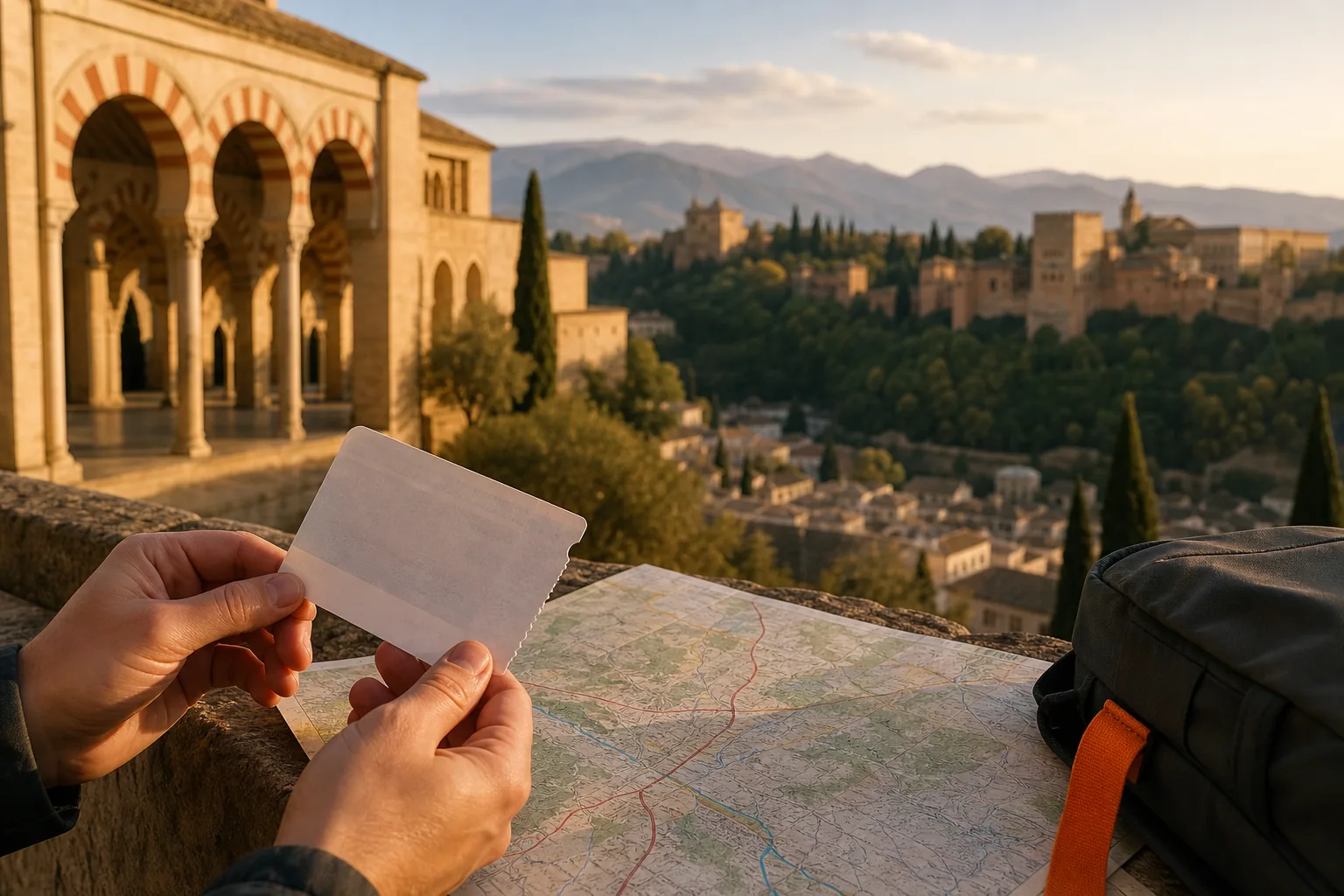
Key Takeaway: Sleep in Córdoba before Granada when you can. The extra night protects both cities from becoming rushed stopovers.
Málaga works well as the final stop because it has a major airport, a central rail station, and enough culture for two days. It also gives you a coast option without forcing a beach break into Granada.
From Granada, use a direct bus or check the current rail and bus mix. The ride is about two hours by bus in the route research. Leave extra time if your flight departs the same day. We prefer sleeping in Málaga before an international flight.
Check in, then walk the historic center. Start with the Roman Theatre and a historic hilltop fortress. Continue toward the cathedral and the Picasso Museum if you still have focus. Málaga works best when you choose two major indoor sights, not every museum in one afternoon.
Head toward Soho for street art and a different feel from the older center. At night, eat tapas near the pedestrian streets, but check the menu before sitting down. A busy terrace is not proof of good value.
Visit Gibralfaro Castle in the morning if the weather is clear. The hill takes effort, but the city and port views make it worthwhile. Then walk down toward the port waterfront.
For a beach afternoon, choose La Malagueta if convenience matters. Choose a seaside neighborhood if you want a different coastal feel. If rain or strong wind moves in, skip the beach. Use a local art museum or another indoor cultural attraction instead.
Allow extra time for the airport transfer, and check the current transport and visitor information when you set your departure plan.
If your flight leaves late, take a final walk along Marqués de Larios or return to the port. If it leaves early, stay near the central station or use a prebooked transfer. Málaga’s central station sits close to the port and connects with the airport by public transport.
We’d avoid adding Nerja on departure day. The beach plan depends too much on weather and road traffic. A late flight may make it possible, but it is a poor trade if missing the flight would erase your savings.
For another example of how we handle timed sights without packing each hour, see our Kyoto itinerary with transit, costs, and crowd timing. The destination changes, but the planning rule holds: fix the hard reservations, then leave space around them.
Ten days gives you a comfortable southern Spain itinerary through Seville, Córdoba, Granada, and Málaga. Five days covers the main monuments at a fast pace. Seven days feels more balanced. Add nights before adding more cities, since each hotel change takes time beyond the train ride.
The easiest route is Seville to Córdoba to Granada, then Málaga. Direct trains cover the first three cities, and buses connect Granada with Málaga. A car is useful for rural stops, but it adds parking problems in historic centers. For the main city route, public transport keeps the plan cleaner.
Book the Alhambra as soon as your travel dates are firm. The Nasrid Palaces have timed entry, and popular slots can sell out well before the visit. Plan at least two to three weeks ahead in busy periods, and review ticket terms before choosing your day.
Córdoba is worth one full day, but a single morning feels rushed. The city’s main historic monument, Judería, lunch, and hotel transfer can fill the schedule quickly. Stay overnight when possible. That lets you see the historic center after day crowds thin and gives you room for one second site.
Choose Málaga if you want museums, historic sites, food, and easy airport access. Choose the Costa del Sol if your last days are mainly about the sea. Weather should decide beach plans. If clouds or wind arrive, Málaga gives you strong indoor alternatives without another hotel move.
Yes, if you want a first trip built around major Andalusian cities rather than a rushed road loop. We recommend booking the Alhambra first, reserving trains after that, and leaving at least one open block in every city. Dream Book Travel’s wider planning approach is simple: spend your money on the sights that need a ticket, then keep the rest flexible. Set your dates, check the open-jaw flight price, and build the route west to east.
Use this Edinburgh itinerary 3 days plan for honest sightseeing, transit tips, free stops, museums, budget notes, and what to skip.
Find the best areas to stay in London for tourists, with honest advice for first-time visitors, culture lovers, foodies, and theater fans.
Find the best Greek islands for families by travel style, beach access, activities, and travel-day tradeoffs. Honest picks and planning notes.