Edinburgh Itinerary 3 Days: A Practical Plan
Use this Edinburgh itinerary 3 days plan for honest sightseeing, transit tips, free stops, museums, budget notes, and what to skip.
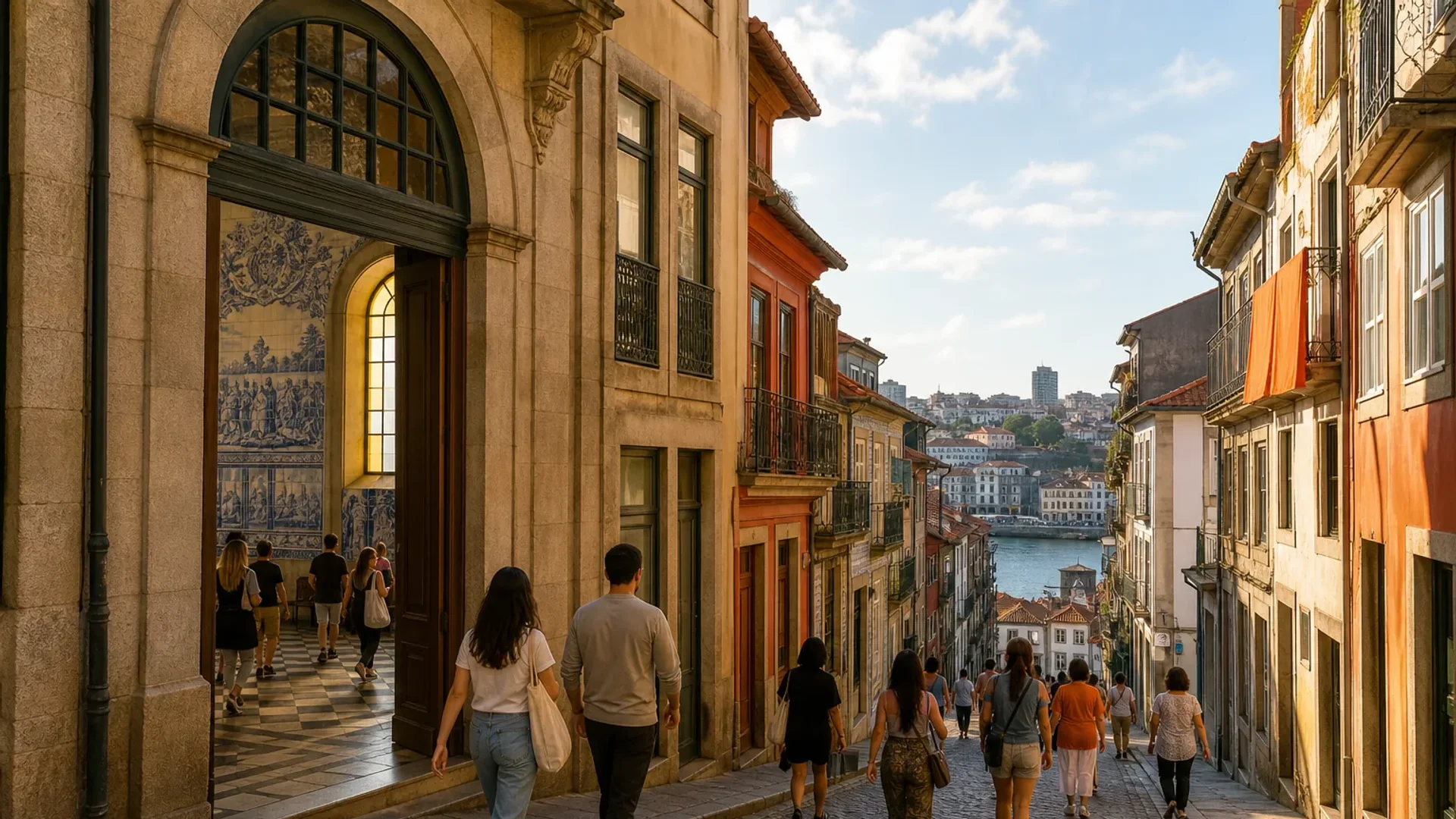
Porto can look expensive when every plan stacks paid sights and wine tours into one day. Our three-day route keeps daily costs near €30 to €40 by mixing free historic stops with one cellar tour and smart transit.
Stay near Baixa or Aliados, then move through the city in clear blocks. Dream Book Travel’s plan leaves room to sit down, change plans, and enjoy Porto at a human pace.
For a porto itinerary 3 days long, your base can save more time than a packed sightseeing list. We recommend Baixa or Aliados for a first visit. These areas sit near São Bento, Clérigos, and the main metro links. Ribeira feels more scenic, but it costs more and puts you at the bottom of Porto’s steepest climbs.
From the airport, the metro reaches Trindade in about 30 to 45 minutes. Buy a physical Andante card first. The card costs €0.60, then most central rides cost about €1.30 to €1.40. Machines may have a line, so don’t leave this until a tight connection.
If you’ll cross between several areas, compare single fares with the Andante Tour pass. The 24-hour pass costs €7.75. A 72-hour version is also available. The pass works across the intermodal network, including metro, bus, and train routes, but it doesn’t cover the Funicular dos Guindais or city trams. Validation is part of using the ticket.
Validate each ride when you start. Validate again when you change line or transport. On buses, tap at the entrance. In stations, use the marked validators before boarding.
Porto’s center is walkable, but the hills change the math. Wear shoes with grip. If your feet give up between the river and Baixa, the Funicular dos Guindais costs about €3.50, though the Andante Tour pass doesn’t cover it.
Key Takeaway: Stay uphill near Baixa or Aliados, then buy transit based on how often you’ll leave the center.
Start this Porto itinerary with the old center before the streets fill. São Bento station is the right first stop because its tile hall is free and needs only about 20 minutes if you look closely.
Next, walk uphill to Sé Cathedral. The nave is free. The cloister costs about €3 to €4, and we think it’s worth the small fee. Blue-and-white azulejos cover the Gothic galleries, while the terrace gives you a broad view across the rooftops.
Continue downhill through the lanes toward Ribeira. This is where Porto looks most like the postcards, but the waterfront also carries a tourist premium. Walk one or two streets back before choosing lunch. Café Santiago’s francesinha costs about €12 to €17, based on the available price data.
After lunch, choose one paid sight. Livraria Lello costs about €10 to €12, with the ticket redeemable against a book. Skip-the-line tiers run about €16 to €20. Book a timed entry before you leave home, then aim for opening time or after 6:30 p.m. If the queue still feels silly, skip it. São Bento already gives you a strong tile and design stop for free.
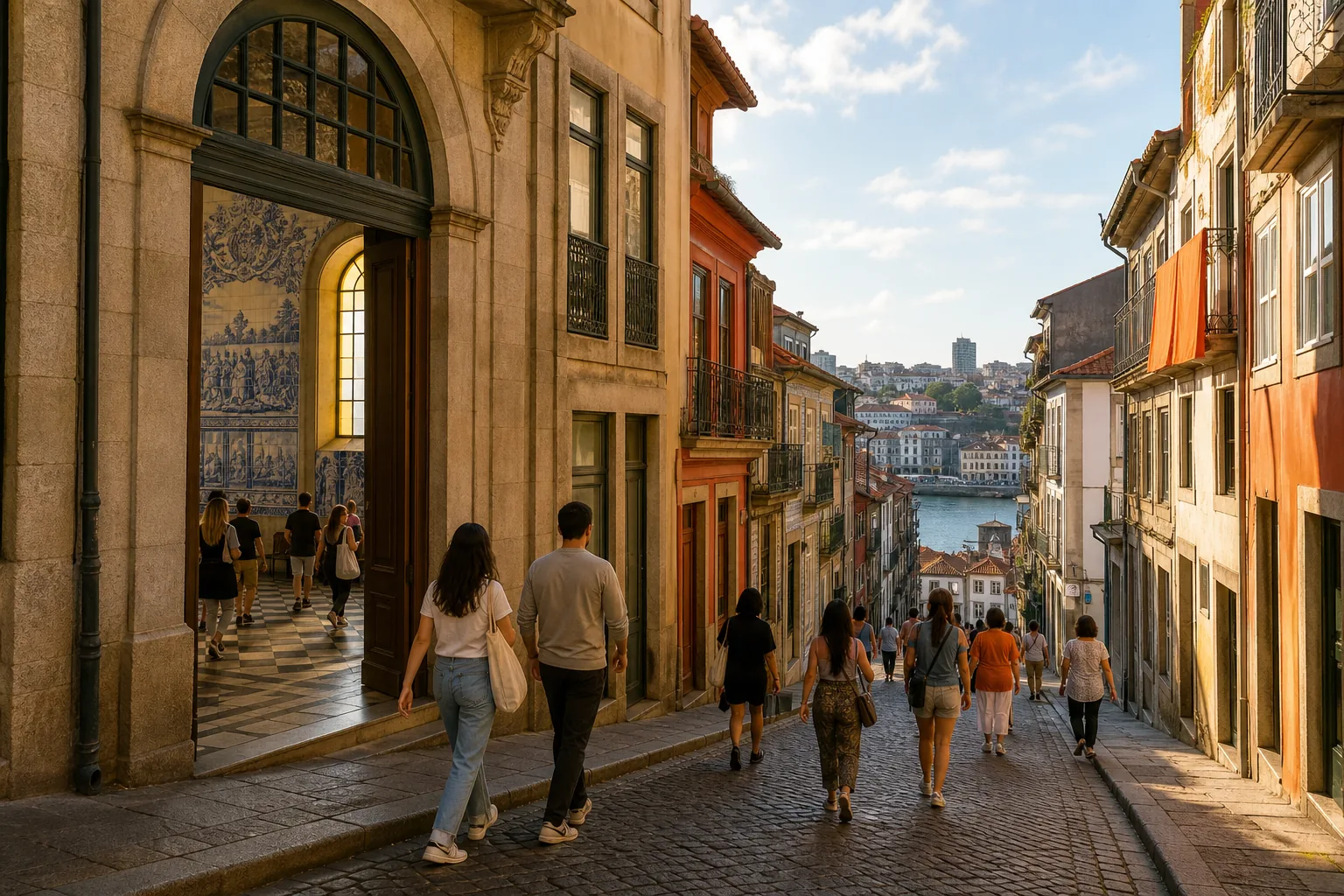
Clérigos Tower is the other clear choice. The combined ticket costs about €8 to €9, and the climb has roughly 240 steps. Go earlier if you want less waiting. The view earns its place, but it isn’t a smart choice for anyone who dislikes tight stairways or has limited mobility.
End near Ribeira, then look across the Douro toward Gaia. Don’t force a second paid attraction tonight. One good view and a calm meal beat racing through four more rooms.
We also like using Dream Book Travel’s guide to cheap Porto wine tasting tours before booking Day 2. It helps you compare the wine stop against the rest of your budget, rather than treating every cellar as an automatic purchase.
Day 2 in this Porto itinerary crosses into Vila Nova de Gaia, the separate municipality on the south bank. This is the day to spend money. Pick one cellar tour, not three, unless port is the main reason you came.
Walk across the upper deck of Dom Luís I Bridge. It is free, and pedestrians share the deck with the metro. Improve your time at the middle of the bridge, then walk down into Gaia for your booked tour.
Here are the available price points:
| Cellar option | Listed price | Best fit | Watch-out |
|---|---|---|---|
| Sandeman Port Cellar Tour | €22, about $22 | A simple first cellar visit | Less room in the budget for a second paid stop |
| Taylor’s Port Cellar Tour | About €25, about $25 | Travelers who want a self-guided audio format | Book ahead during busy periods |
| Graham’s Port Cellar Tour | €30 to €45, about $30 to $45 | People who want to spend more on the wine visit | It can take up a third of the day’s budget |
| Six Bridges River Cruise | €18 to €20, about $18 to $20 | A 50-minute river view instead of another cellar | Choose it instead of a second major tour |
Sandeman is the budget anchor. Taylor’s sits close to that price. Graham’s can cost much more, so choose it only if the cellar itself is your priority. The data shows wine tours are the largest single expense in this plan.
After the tour, walk along Gaia’s riverfront. You can pay €7, about $7, for a one-way ride on Teleférico de Gaia. It saves the uphill climb and gives you a fast view back toward Porto. Serra do Pilar is free to visit and gives you the wider panorama.
A Six Bridges cruise lasts about 50 minutes. Add it only if you prefer the river to another museum. The route already has enough views, so we wouldn’t buy both the cable car and the cruise on a tight budget.
Pro Tip: Book the cellar first, then shape the rest of Gaia around its start time. A fixed wine appointment keeps the day from drifting.
Day 3 gives this porto itinerary a needed change of mood. Leave the river behind and head toward Boavista and Cedofeita, where galleries, design, and quieter streets replace the main postcard route.
Start at Serralves Museum, Villa and Park if contemporary art and gardens appeal to you. The combined ticket costs €24, about $24. A park-only ticket costs €12, about $12. The site sits 20 to 30 minutes from the center by bus or taxi, so don’t squeeze it between two old-town appointments.
Allow at least two hours if you buy the combined ticket. Choose the park alone if you want green space and don’t care about the gallery rooms. That distinction matters because the full admission is a large share of a €30 to €40 day.
Next, head toward Casa da Música. A guided architecture tour costs about €12, about $12. Check the event calendar too. A live concert may make more sense than paying for a daytime building tour, but only if the timing works.
Spend the afternoon on Rua de Miguel Bombarda in Cedofeita. The street has independent galleries and vintage shops, and the recommended visit length is an afternoon rather than a rushed half-hour stop.
Keep lunch flexible here. We don’t name a restaurant without a confirmed source, and you don’t need another reservation-heavy meal after two full days. Pick a place with local traffic, check the menu before sitting down, and decline any bread or olives placed on the table if you don’t want the extra couvert charge. It can cost about €2 to €3.
If you want a final river view, return to a viewpoint or the center before sunset. We prefer that over adding Foz after Serralves. Foz is a good reason to extend the trip, but combining the coast with Boavista can turn Day 3 into a travel day.
For a useful comparison, Dream Book Travel also lays out a three-day Lisbon itinerary. The contrast helps if you’re deciding whether Porto deserves three full nights or belongs in a longer Portugal route.
A good Porto itinerary 3 days plan should survive a late breakfast, rain, and tired legs. Use the numbers below as a working budget for sights and transit. Hotel rates and meals vary, so keep those separate until you know your dates.
With one cellar tour and modest paid admissions, daily sightseeing and transport can stay around €30 to €40. A second cellar or a cruise pushes the day higher. That isn’t bad, but it should be a choice rather than a surprise.
Here are our clear skips:
Don’t skip the Sé Cathedral cloister just because the nave is free. The cloister costs only about €3 to €4 and is one of the small paid stops that gives the day more depth.
Shoulder-season travel can also help. Dream Book Travel points to April through May and September through October for a balance of weather, crowds, and price. February is the lower-cost option for travelers who care more about savings than warm weather.
Key Takeaway: Keep one paid anchor per day, then protect time for free views, tile work, and slow walks.
Yes, three full days are enough for Porto’s historic center, Gaia’s cellars, and one quieter neighborhood day. This porto itinerary 3 days route skips a Douro Valley trip because that needs its own travel time. If you want the valley, add at least one more day instead of cutting the city into rushed blocks.
Plan about €30 to €40 per day for sightseeing and local transport when you choose one cellar tour. That figure excludes hotels and most meals. A 72-hour Andante Tour pass has its own fare, while cellar tours range from €22 to €45, so wine choice has the biggest effect on the daily total.
Stay in Baixa or Aliados if you want a central base with easier hills and transit. Ribeira puts you near the river but can cost more and makes every uphill return harder. For this three-day Porto plan, an uphill base usually saves energy, especially after a full Gaia day.
Livraria Lello is worth it if you book a timed entry and care about its interior design or books. Tickets cost about €10 to €12, with higher skip-the-line tiers. Skip it if the queue feels too long. São Bento’s free tile hall may give you a better use of limited time.
You don’t need a pass if you stay in the center and walk most routes. The Andante Tour 24-hour pass costs €7.75 and makes sense when you combine metro or bus rides with several neighborhood changes. Remember that it doesn’t cover the Funicular dos Guindais.
We recommend three full days in Porto if you want the city to feel like a place, not a checklist. Book one cellar tour, use the hills as your pace check, and leave Livraria Lello behind if the queue looks wrong. Before you book, save this route and compare current transit and attraction prices with Dream Book Travel’s planning notes. Dream it. Plan it. Live it.
Use this Edinburgh itinerary 3 days plan for honest sightseeing, transit tips, free stops, museums, budget notes, and what to skip.
Find the best areas to stay in London for tourists, with honest advice for first-time visitors, culture lovers, foodies, and theater fans.
Find the best Greek islands for families by travel style, beach access, activities, and travel-day tradeoffs. Honest picks and planning notes.