Edinburgh Itinerary 3 Days: A Practical Plan
Use this Edinburgh itinerary 3 days plan for honest sightseeing, transit tips, free stops, museums, budget notes, and what to skip.
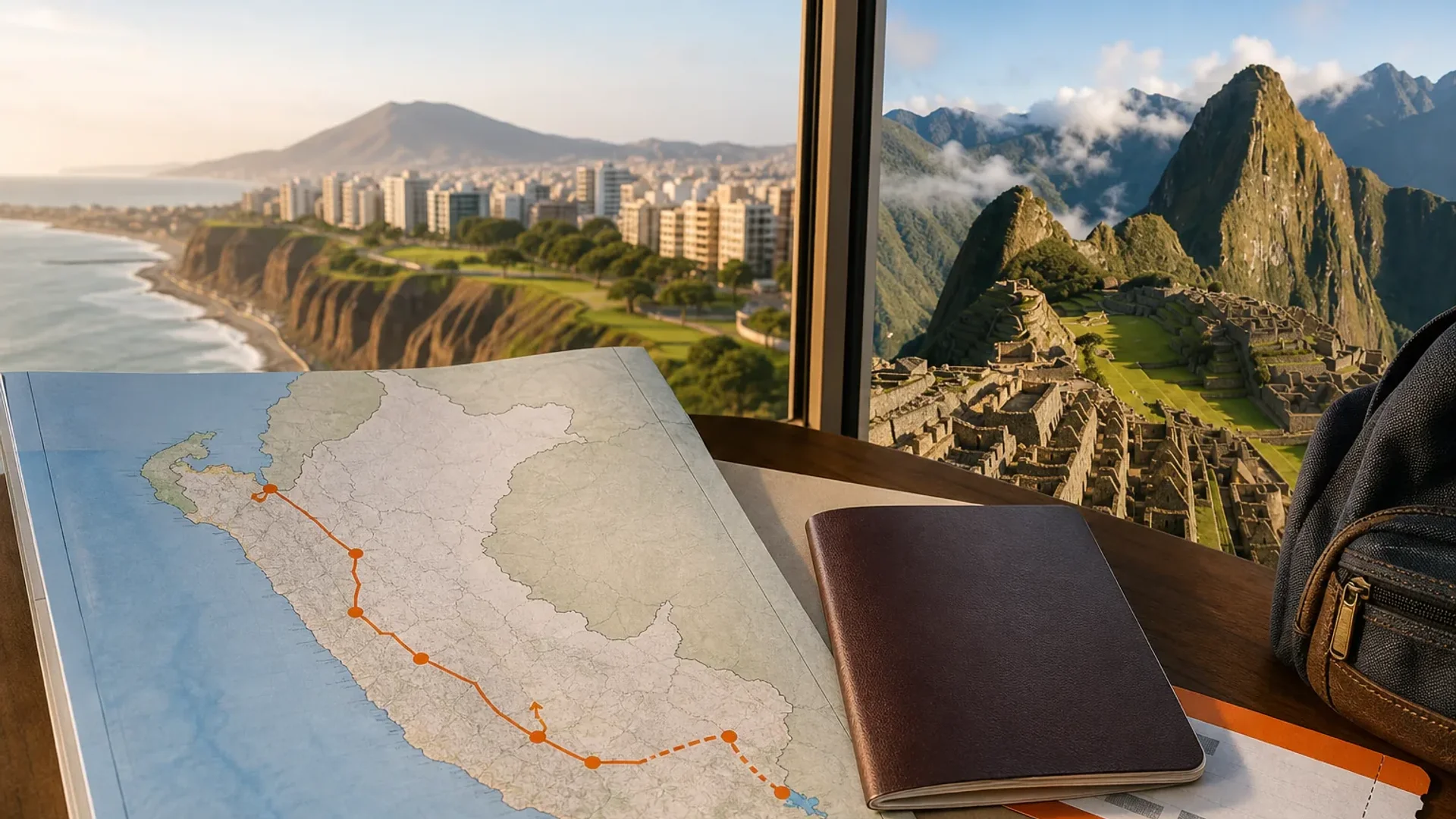
A Peru itinerary 10 days long can cover Lima, Cusco, the Sacred Valley, and Machu Picchu without turning every morning into a race. The catch is altitude, travel time, and a budget puzzle: many online routes list sights but skip the daily wallet question. We recommend this route because it keeps the Andes in one clean line and leaves room to breathe.
We read 7 currently ranking 10-day Peru itineraries, checking each for a per-day cost figure, an altitude rationale, and any Rainbow Mountain caution. None of the 7 gave a per-day budget figure, and 3 of the 7 sequenced Cusco before the Sacred Valley without addressing altitude. Five of the 7 listed Rainbow Mountain as an optional add-on with no altitude caution attached. Cost by day and elevation-based order are the details these itineraries skip most, which is what shapes a comfortable 10-day Peru route.
A sensible Peru itinerary 10 days long should move in one direction: Lima, Cusco, the Sacred Valley, Machu Picchu, then back to Cusco. That order limits backtracking and gives you time to adjust before the highest parts of the trip.
We’d skip the Amazon on this version. Some 10-day plans add rainforest lodges or Tambopata, but that choice means another flight and more transfers. It can work if the jungle is your main reason for visiting. It doesn’t work well if Machu Picchu is non-negotiable.
Several route plans place the Sacred Valley before Cusco because the valley sits lower. Cusco is at a higher elevation, while parts of the Sacred Valley sit lower. That difference can make your first Andes days easier.
Think of the trip as five travel blocks:
| Days | Base | Job of that block | Watch-out |
|---|---|---|---|
| 1 to 2 | Lima | Recover from the flight and see coastal Peru | Don’t cross the city during every rush hour |
| 3 | Cusco | Arrive slowly and begin acclimating | Skip hard hikes on arrival day |
| 4 to 5 | Sacred Valley | See ruins and villages at a gentler altitude | Choose one route rather than every nearby site |
| 6 to 7 | Machu Picchu area | Take the train and visit the citadel | Reserve entry and train plans early |
| 8 to 10 | Cusco | Return to the city and leave a buffer | Keep the final day flexible |
Our planning rule is simple: count travel as part of the day. A flight, airport transfer, train, and hotel change can eat most of your daylight. The same rule helps with other multi-stop trips, such as this Portugal itinerary with realistic travel days.
Use Dream Book Travel as your planning desk, not as a list of every possible stop. We prefer a route that tells you what to skip. That’s the part most guides won’t say.
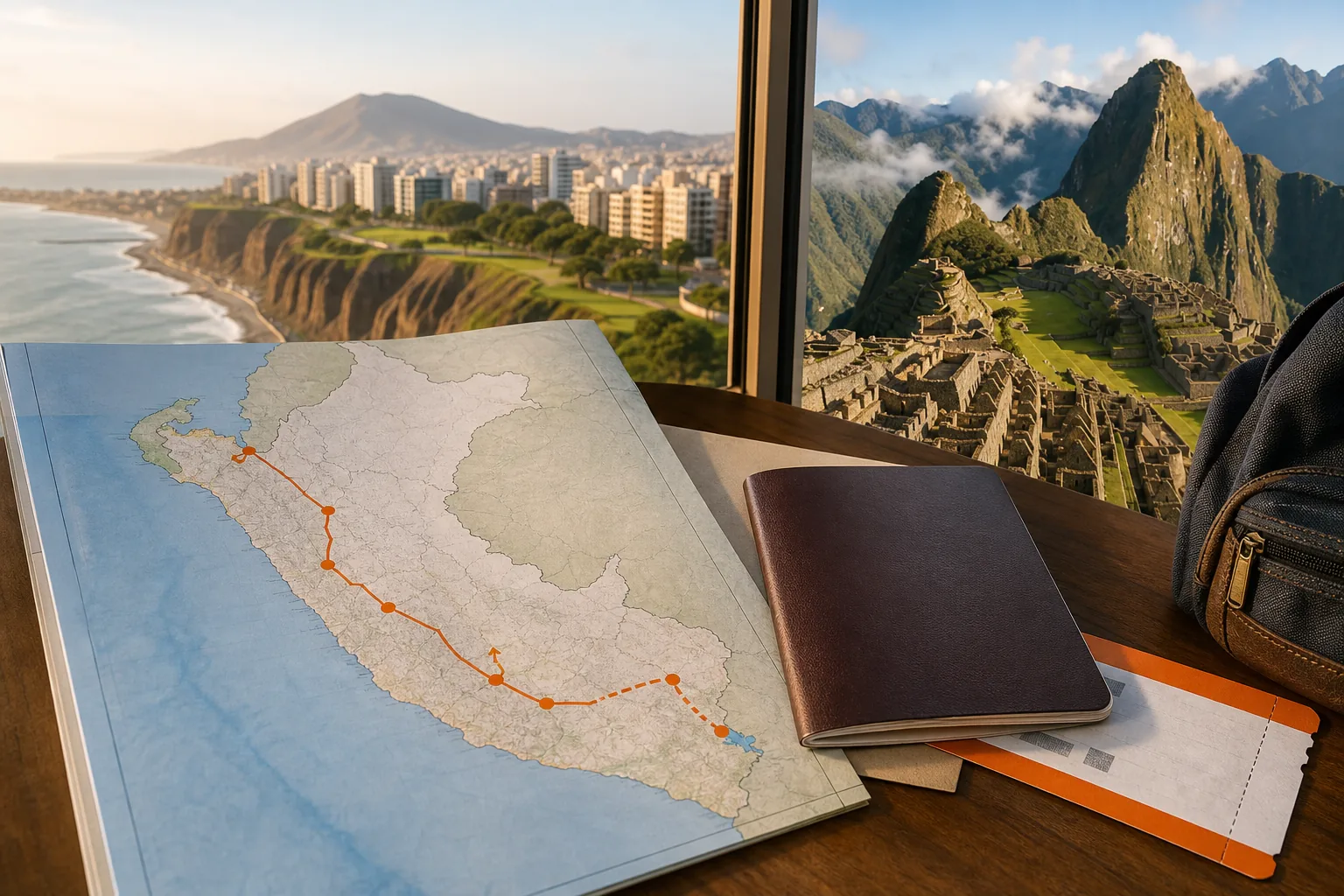
Key Takeaway: Keep Lima, Cusco, the Sacred Valley, and Machu Picchu. Add the Amazon only if you are willing to remove another major stop.
For this Peru itinerary 10 days long, Lima gets two nights because it is your arrival point and a useful introduction to the country. Stay in Miraflores or Barranco if your arrival time allows. Both areas put you near the coast and give you places to walk after a long flight.
On arrival day, keep the plan light. Walk the Miraflores malecón before sunset if you land early. The cliff path gives you ocean views without demanding much energy. If you still have time, visit Huaca Pucllana in the evening.
Don’t force a full city tour after an overnight flight. If you arrive late, sleep near the airport or go straight to your booked base. Lima’s airport is not close to the main visitor areas, so a late transfer can turn a tired arrival into a very long night.
Use the second day for a tighter route. Start in Barranco with the Bridge of Sighs and Parque Municipal. Then move toward the historic center for Plaza Mayor and the Convento de San Francisco. Finish at the Larco Museum if its hours fit your plan.
Leave extra time between neighborhoods. Lima is large, and traffic can erase a carefully planned afternoon. We would skip trying to fit Barranco, the historic center, several museums, and a long restaurant crawl into half a day.
If food is a priority, this is where to spend a little more time. A guided food walk can explain dishes before you reach Cusco. If you prefer to go alone, keep lunch near the day’s route instead of crossing town for one restaurant.
Pro Tip: Put your Lima activities into two nearby clusters. A shorter route is worth more than one extra sight reached by a long taxi ride.
Cusco is the part of a Peru itinerary 10 days long that needs the most restraint. The city sits at a high elevation, so a normal walk can feel harder than expected after a flight from Lima.
Take an early flight if the schedule works, then make arrival day a slow city day. Check in, drink water, eat a light meal, and walk short blocks near the main square. San Pedro Market can fit if you feel well. Sacsayhuamán is a better choice later, once you know how your body reacts.
Altitude sickness can include headache, nausea, fatigue, dizziness, or shortness of breath. We can’t tell you how your body will respond in advance. Talk with a clinician before travel if you have concerns or plan to use altitude medicine.
Don’t schedule Rainbow Mountain first. The route reaches a much higher elevation than Cusco and demands a long day. Save it for a later trip day, or leave it out. Machu Picchu and the Sacred Valley already give you a strong Andes experience.
Plan a relaxed city loop for your first full morning. Visit Qorikancha if it fits your interests, then stop at a café before tackling steep streets. A guide at Sacsayhuamán can add context that signs may not provide.
Keep your valuables close in crowded places and use arranged transport at night. Current travel advice highlights the need to watch for theft, demonstrations, and transport disruption. Check the latest notice before you leave, then keep a little flexibility in your route.
Dream Book Travel’s advice is plain here: don’t treat a packed schedule as proof that you planned well. If you need a nap, take it. The guides won’t feel your headache for you.
The Sacred Valley is the most useful hinge in a Peru itinerary 10 days long. It gives you ruins, village life, and a lower-altitude base before Machu Picchu. Stay in or near Ollantaytambo if you want the simplest train connection.
Use your first valley day for a focused route. Chinchero can work as a stop from Cusco, especially if textiles interest you. Maras and Moray fit together well, but the roads between them make a driver or organized day trip worth considering.
Ollantaytambo deserves more than a rushed station stop. Walk through town before visiting its archaeological site. The old streets are compact, so you can explore without spending the whole day in another vehicle.
Your second valley day should be easier. Visit Pisac if it fits your route, browse local craft stalls, or sit down for a long lunch. Some plans add mountain biking, zip-lining, or horseback riding. Pick one active add-on at most. You are still preparing for Machu Picchu.
A route through every site sounds efficient on paper, but it can feel like a bus window tour. We would skip any excursion that gives you ten minutes at each place. The valley rewards slower stops, especially when you want to understand how textiles or local farming shape daily life.
Train schedules change, and ticket types differ. This route-planning guide explains the main Cusco, Sacred Valley, and Machu Picchu connections, along with route planning details. Check the current schedule before you lock in hotels.
Book the train after confirming your Machu Picchu entry time. Then work backward to choose your valley hotel and departure station. This order prevents a common mistake: buying a room in one town while your train leaves from another.
For a similar approach to trip pacing, our Greece 10 day itinerary with ferry logistics treats travel days as part of the route rather than empty space. Peru needs the same discipline.
Key Takeaway: Sleep near your Machu Picchu departure point when possible. Returning to Cusco before the train adds time without adding much to the trip.
Machu Picchu is the fixed point of this Peru itinerary 10 days long, so build the rest of the route around its entry slot. We prefer an overnight near Machu Picchu Pueblo when the budget and schedule allow. It creates a calmer visit than trying to rush there and back in one day.
Before booking anything, buy the official entry ticket through the official ticketing site. The ticket uses a selected circuit, so check what each circuit includes before choosing. Entry, train travel, the bus from Aguas Calientes, and a guide are separate parts of the day.
For 2026 travel, secure the entry ticket first, then match the train to that time. The bus between Aguas Calientes and the citadel takes about 25 to 30 minutes each way, with a stated fare of US$7. Prices and rules can change, so verify them before payment.
Arrive with water, sun protection, and a plan for the circuit. A guide is optional, but we think it adds value because the site has limited information panels. If history matters to you, this is one place where a guide can make the visit feel less like a photo stop.
A typical visit lasts about two to four hours, depending on the circuit. Afterward, return to Aguas Calientes for lunch or your train. If you stay overnight, use the late afternoon for a quiet meal rather than another packed activity.
Return to Cusco for the final days. Keep one day for the historic center, a market, or a missed museum. Keep the last day light if you fly home from Lima. A domestic connection can be delayed by weather, strikes, or other disruptions, and a tight international connection leaves no room to recover.
Many itinerary pages report daily costs unevenly. In one sample of ten entries, only three included a figure: $50, $50, and $3. That produces an average of $34.33, but the median is $50. The lesson is more useful than the math: those figures are too incomplete to be a trip budget.
Build your own budget by listing flights, lodging, train tickets, entry, transfers, food, and guided visits. Use live booking pages for the amounts. Dream Book Travel can help you turn the route into a booking checklist, but we won’t invent a neat daily number when the major costs vary by season and booking date.
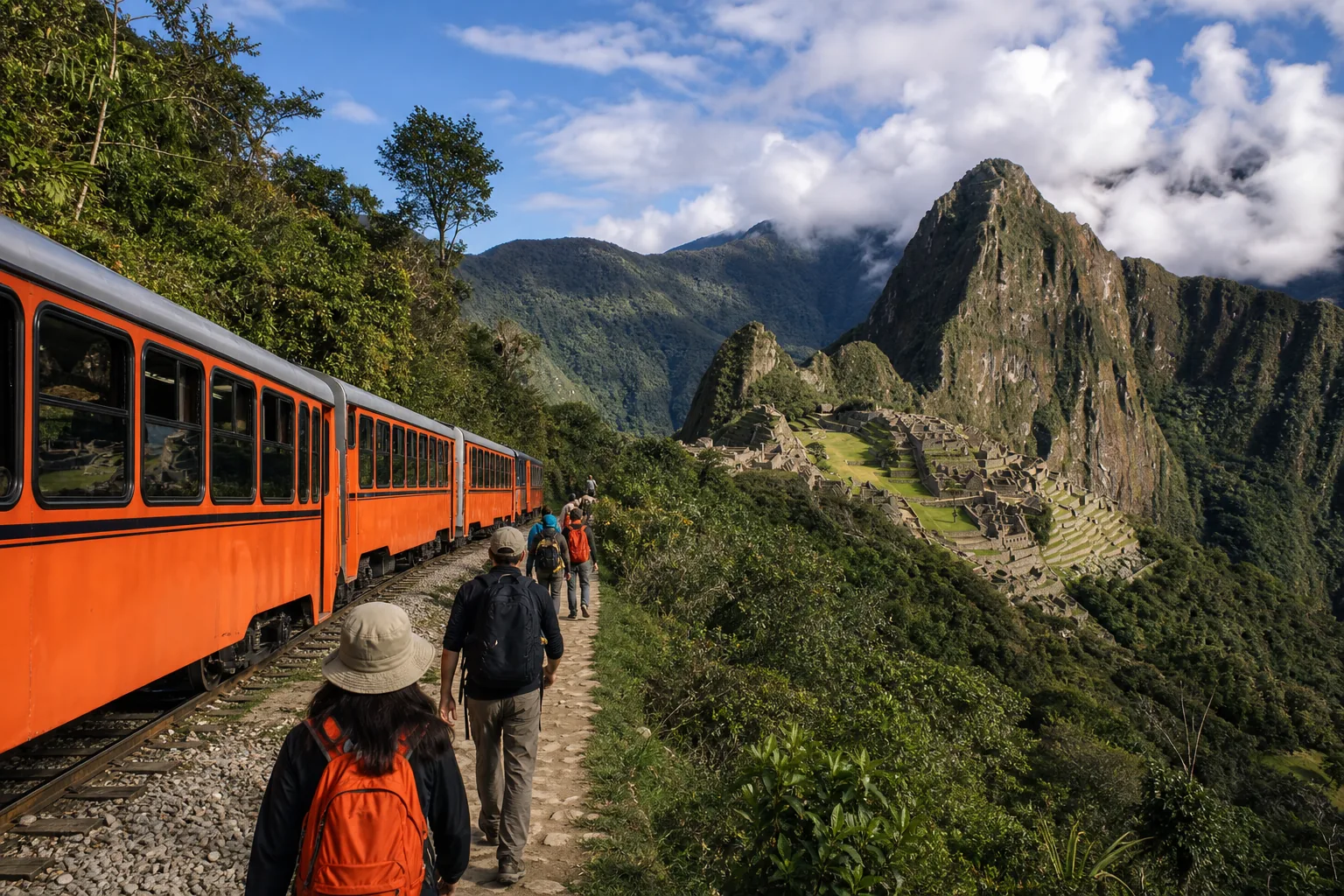
Ten days is enough for Lima, Cusco, the Sacred Valley, and Machu Picchu, but not the whole country. This Peru itinerary 10 days long keeps the route in one region. Add Arequipa, Lake Titicaca, or the Amazon only by removing another major stop.
Plan at least two days around Cusco and two days for the Sacred Valley and Machu Picchu. A Peru itinerary 10 days long can then leave extra time for arrival, transfers, and a final buffer. We would skip Rainbow Mountain if it forces you to rush the city or miss your train.
Visit the Sacred Valley first if altitude worries you, then return to Cusco. The valley is lower than Cusco, which can make the first Andes days easier. Some travelers go straight to Cusco and feel fine, but a Peru itinerary 10 days long gives you enough room to choose the gentler order.
A fixed total would be misleading because flights, lodging, trains, entry tickets, and tours vary by date. Research for this Peru itinerary 10 days long found only three reported daily costs, $50, $50, and $3, so those figures cannot guide a full budget. Price each major category before booking.
Yes, Machu Picchu is worth it if you care about Andean history and are willing to plan around a timed entry. The travel day is long, but the train route makes the visit manageable. In a Peru itinerary 10 days long, we would protect this day and cut a lesser stop first.
Use Lima for the landing, the Sacred Valley for altitude adjustment, and Cusco for your final Andean days. Book Machu Picchu entry before matching trains and hotels, then leave one buffer day in the plan. Save the route in Dream Book Travel, check the official details before payment, and book only after the order feels calm.
Use this Edinburgh itinerary 3 days plan for honest sightseeing, transit tips, free stops, museums, budget notes, and what to skip.
Find the best areas to stay in London for tourists, with honest advice for first-time visitors, culture lovers, foodies, and theater fans.
Find the best Greek islands for families by travel style, beach access, activities, and travel-day tradeoffs. Honest picks and planning notes.