Edinburgh Itinerary 3 Days: A Practical Plan
Use this Edinburgh itinerary 3 days plan for honest sightseeing, transit tips, free stops, museums, budget notes, and what to skip.
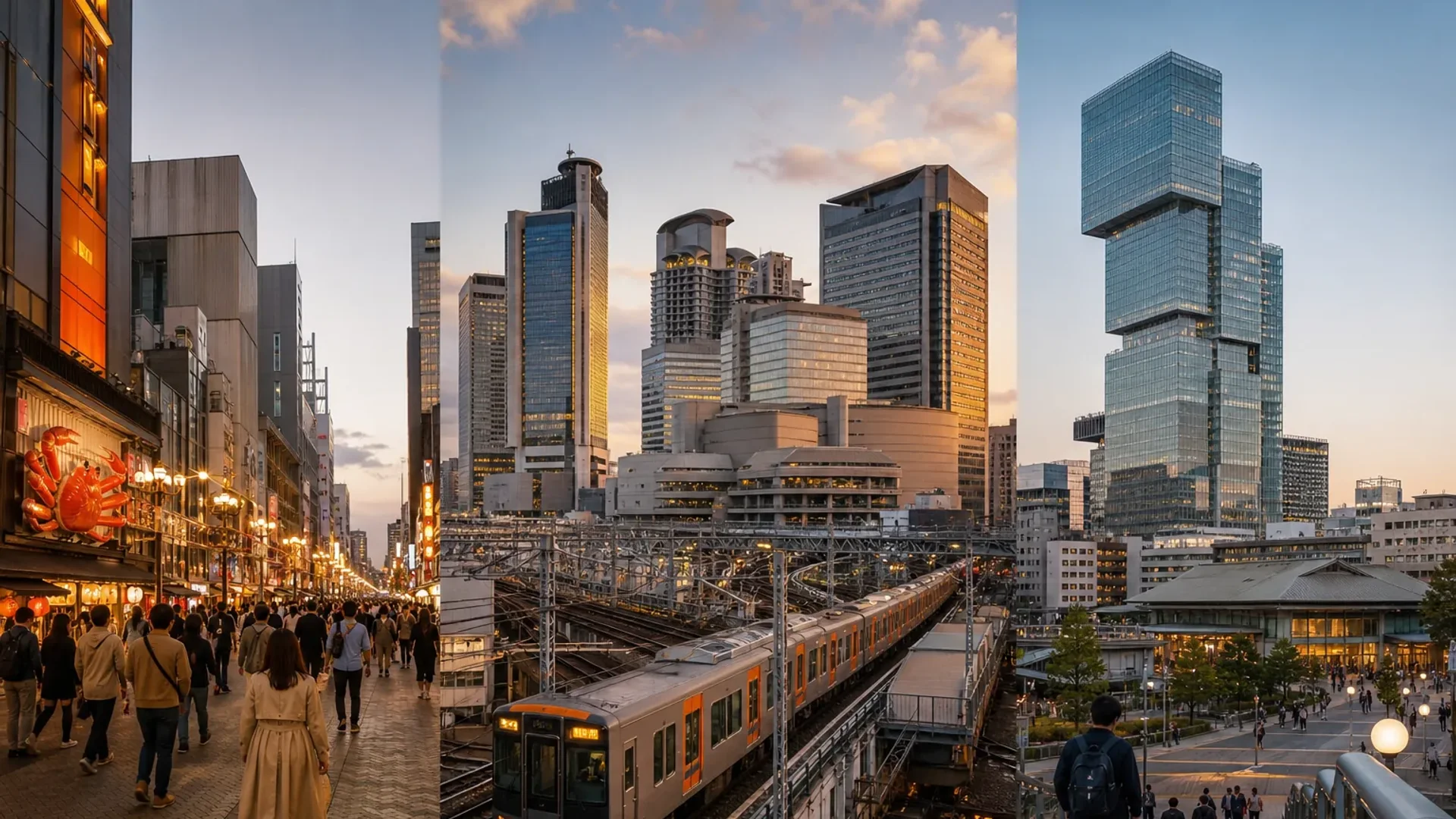
Three days is enough to get a proper feel for Osaka, but only if you stop crossing the city for every sight. This Osaka itinerary keeps each day in one area, leaves room for food, and shows where the budget can jump, from a low-cost neighborhood day to an ¥8,600 theme-park ticket.
Your base sets the rhythm of this Osaka itinerary. Pick a neighborhood that matches your evenings, then plan each day around one transit corridor.
Namba or Shinsaibashi suits a first visit. Dotonbori, Kuromon Market, and much of the city’s food scene sit within walking distance. The trade-off is noise. Rooms near the canal can stay loud well past midnight, especially on weekends.
Umeda, also called Kita, is calmer and has strong rail links toward Kyoto and Kobe. It feels more like a business district, but its underground dining areas make dinner easy. Tennoji usually has lower room rates and still connects well by JR, subway, and Kintetsu lines.
For a three-day stay, we suggest Namba or Shinsaibashi unless quiet nights matter more than walkability. Standard doubles in Namba vary by season, while Tennoji rooms can also offer different rates depending on timing. Treat current pricing as something to check when you book rather than a promise.
| Base | Best fit | Main trade-off |
|---|---|---|
| Namba | Food, nightlife, and short walks | Noise and tourist crowds |
| Shinsaibashi | Shopping with access to Dotonbori | Similar rates to Namba |
| Umeda | Quiet nights and day trips | More station walking |
| Tennoji | Lower room costs and southern Osaka | Grittier streets after dark |
Use an accepted contactless option for ordinary rides. Individual subway fares vary by distance, while day passes and digital tickets may also be available. Check the official fare and ticket page before buying a pass.
The Osaka Amazing Pass needs a little math. Compare its current price with the cost of the sights and rides on your route. Buy it only when your route includes enough covered sights and subway rides to beat ordinary fares.
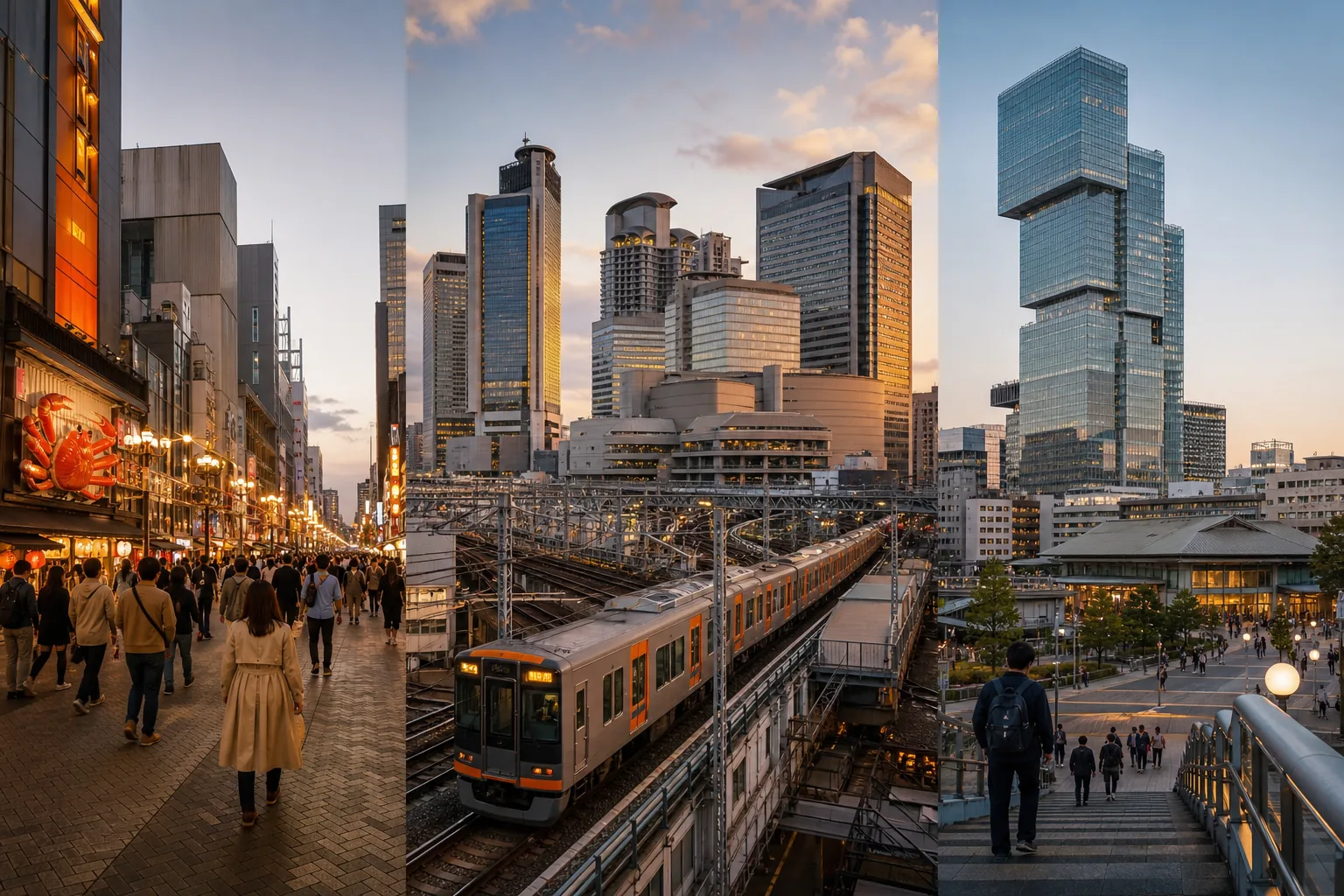
Dream Book Travel’s planning rule is simple: stay close to the first two days, then accept a longer ride only for a day trip. That choice saves more time than squeezing another attraction into the schedule.
Build day one of your Osaka itinerary around small bites and short walks. Start at Kuromon Market, then move through Namba and finish beside the Dotonbori canal.
Arrive around 9:30 or 10:00 a.m. Kuromon is a covered market about 600 meters long, with roughly 150 stalls selling seafood, fruit, cooked food, and pantry goods. Before 8:00 a.m., it still works mainly as a wholesale market. Later in the morning, more stalls switch to portions made for visitors to eat on foot.
Walk the market once before buying anything. That small pause helps you compare portions and prices. A tuna portion may cost around ¥500 to ¥1,500. Other seafood portions often run ¥300 to ¥500 each. Specialty skewers can cost ¥800 to ¥1,500, while premium cuts can be particularly expensive. You don’t need every item. Pick two or three, then save room for lunch.
A market takoyaki stall may offer a small serving. A prepared snack can cost ¥1,000 to ¥2,000, which makes it a taste rather than a bargain. If a stall has pre-cut seafood sitting untouched or a large photo menu with high prices, keep walking. Kuromon is worth visiting, but it is easy to pay for the view and forget the food.
From the market, walk toward Dotonbori through Nippombashi and the side streets of Namba. Stop for okonomiyaki or another noodle dish before the canal gets busy. Osaka-style okonomiyaki usually runs about ¥700 to ¥1,200 for a basic version. Kushikatsu meals in Shinsekai tend to cost ¥1,500 to ¥3,000, but save that dish for day three.
Dotonbori is touristy. Go anyway. The canal, bright signs, and food counters give you the Osaka people picture before arrival. We prefer the lanes behind the main strip for dinner because they feel less like a conveyor belt. You can still see the famous signs, then eat somewhere with fewer elbows.
Keep the evening loose. Walk north along Shinsaibashi-suji if you want shops, or stay near the canal for a second snack. Dream Book Travel’s approach is similar to the price-led planning in our Rome itinerary with real prices and neighborhood choices: set one anchor meal, then leave the rest open.
Day two of this Osaka itinerary pairs Osaka Castle with Umeda because both stops reward a half-day pace. Don’t try to add Universal Studios Japan or a distant day trip here.
Reach Osaka Castle Park near opening time. The grounds are free and spread across a large park, so allow time for the walk from the station. The keep costs ¥1,200 for adults, while children under 16 enter free with identification.
The keep is a 1931 concrete reconstruction, not the original Toyotomi-era structure. That matters if you expect a preserved medieval castle. It doesn’t make the visit pointless. The park, stone walls, views, and museum give the site more depth than the bright exterior suggests.
Allow two to three hours. Start with the keep, then walk the grounds and examine the stone walls. Lines can grow during cherry blossom season and on Saturday afternoons, so arriving early is worth more than rushing through lunch later.
From the park, take the train toward Umeda. Give yourself time for station signs and long underground walks. Osaka Station and nearby interchange stations connect several operators, but they don’t use the same gates.
Spend the late afternoon around the area’s shopping complexes or the underground dining streets. Then decide if the Umeda Sky Building fits your mood. The observatory opens from 9:30 a.m. to 10:30 p.m., with last admission at 10:00 p.m. Adult entry is ¥2,000, and children ages four to 12 pay ¥500.
The observatory takes about 60 to 90 minutes. Sunset brings the strongest change in light, but it also brings queues. A ticket doesn’t guarantee clear skies or rooftop access. Heavy rain and unsafe wind can close the open-air section while the enclosed floor stays open.
Use the official route from the Central North Exit and allow extra time. The attraction is worth it when the weather is clear and you want a skyline view. Skip it if clouds block the city or you’ve already paid for another observation deck. The castle’s reconstruction history helps explain why the current keep looks older than its structure really is.
For visitors who want an easier evening, stop at Umeda’s restaurants instead of heading back to Dotonbori. That is the point of pairing these areas. You get one major sight, one city view, and a dinner district without repeating the same neon walk.
The third day of your Osaka itinerary should stay south. Tennoji and Shinsekai fit together on foot, then you can choose one extra stop based on weather and energy.
Start at Shitennoji. The outer grounds are free and open around the clock. The inner precinct opens at 8:30 a.m. and costs ¥300. Early morning is calmer, which helps if you want a quiet start after two busy days.
Walk through Tennoji Park toward Shinsekai. The route gives you trees and open space before the retro signs begin. Shinsekai is fun, but it can feel rougher and more tourist-focused after dark. Stay on the main streets if you’re unsure where to turn.
Make kushikatsu your main meal. Skewers often cost ¥100 to ¥300 each, and a full meal commonly lands around ¥1,500 to ¥3,000. Don’t double-dip in the shared sauce. Use the cabbage provided to add more sauce instead.
After lunch, choose one flexible stop:
Our advice is to pick one. Three days can cover a lot, but every added stop costs walking time and attention. If rain moves in, swap the park walk for department-store dining or an indoor museum. Dream Book Travel uses the same flexible structure in its three-day Lisbon planning guide, because a route should bend when the weather does.
A useful Osaka itinerary budget separates food, transport, entry fees, and sleep. The daily total can swing sharply, so don’t judge the whole trip by one expensive day.
For food, a low-cost day can stay near ¥2,000 to ¥3,000 if you mix market snacks with noodles or a simple set meal. A mid-range food day varies once you add a seated dinner and drinks. Kuromon can push higher if you choose premium beef, uni, or gift fruit.
Transport within the city often costs less than the attractions. Standard city-transit fares vary by route and operator. A one-day pass makes sense when you expect several rides, but don’t buy it just because it sounds convenient.
| Day | Core spend | Planning range | Adjustment |
|---|---|---|---|
| Day 1 | Market food, subway, dinner | Varies | Skip premium seafood to lower the total |
| Day 2 | Castle, transit, Umeda meal, observatory | Varies | Use the free castle grounds or skip the observatory |
| Day 3 | Temple, Shinsekai meal, flexible stop | Varies | Choose the free terrace instead of a paid view |
| Three-day total | Food, city transport, and activities | Varies | Accommodation and flights are separate |
That range is a planning tool, not a fixed quote. Research used for this route found a median daily activity cost of ¥2,000 across eight sample entries. It also found a very wide spread, from ¥680 for a Nara day to ¥8,600 for a single Universal Studios Japan day. A theme park can change the trip budget in one morning.
Skip Universal Studios Japan on this three-day route unless it is the main reason you came. The park deserves its own full day, and adding it beside Osaka Castle or a regional day trip turns the schedule into a race. If you have a fourth day, place it there instead.
For a day trip, Nara usually gives you a gentler cost profile than a theme park. Kyoto adds more temples and longer walking. Choose one, not both. Dream Book Travel’s flight timing guide uses the same principle: set an anchor cost first, then protect the rest of the budget from small add-ons.
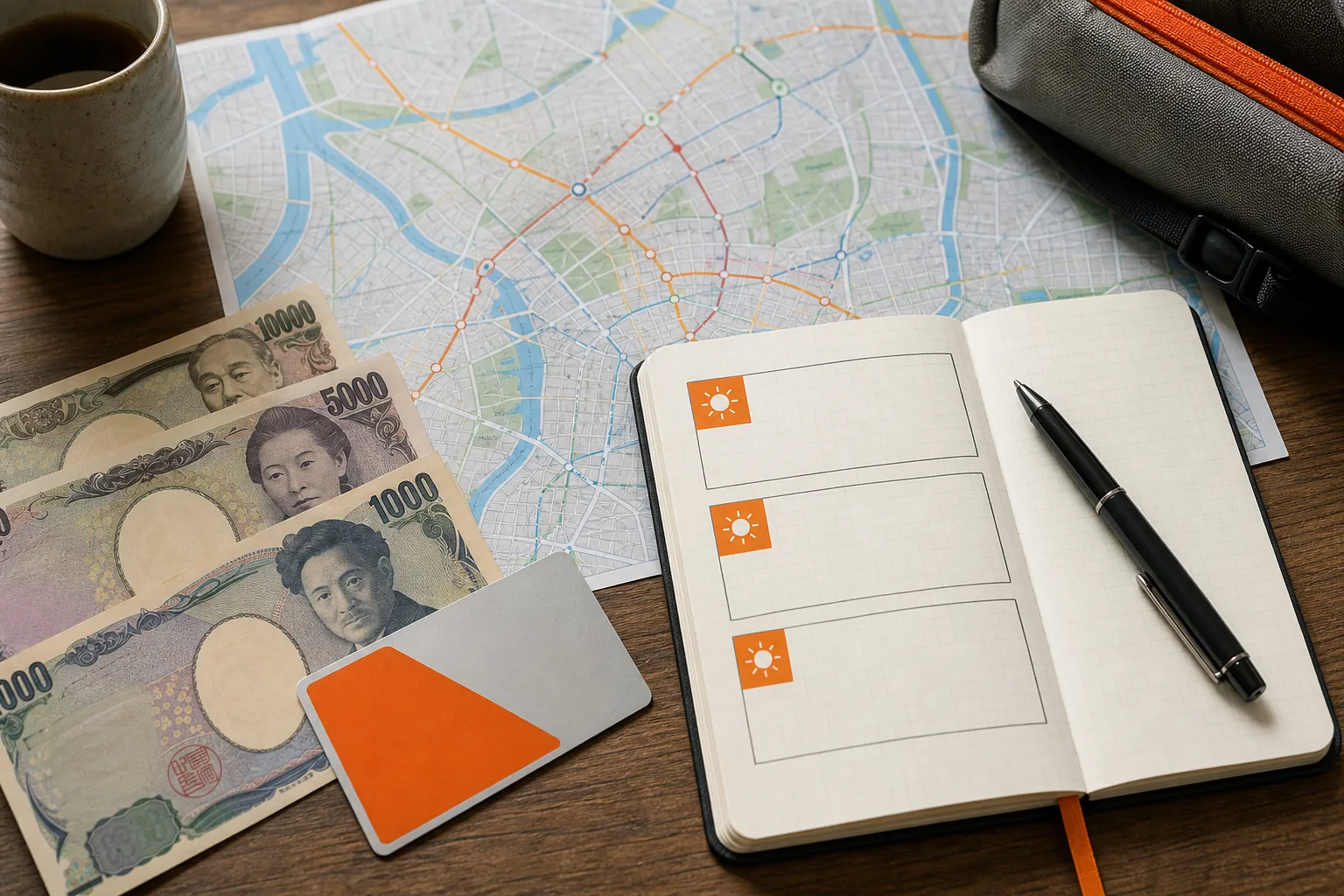
Key Takeaway: Spend your money on the meal or attraction you care about most, then keep the surrounding day simple.
Three days is enough for a first Osaka itinerary focused on the city itself. Use one day for Namba and Dotonbori, one for Osaka Castle and Umeda, then one for Tennoji and Shinsekai. Add a day trip only if you accept less time in Osaka’s neighborhoods.
Namba or Shinsaibashi works best for most first-time visitors who want food and nightlife close by. Umeda suits quieter evenings and easier rail access toward Kyoto. Tennoji can lower room costs, but the streets feel less polished after dark.
Plan a flexible per-person budget for food, city transport, and activities across three days, excluding accommodation. A premium Kuromon meal or paid observation deck can raise the total. Universal Studios Japan needs a separate budget because its admission alone can reach ¥8,600.
The Osaka Amazing Pass is worth checking when you will visit several included attractions in one or two days. It isn’t automatically cheaper than ordinary fares. Compare the pass price with your planned rides and entry fees before buying it.
Skip Universal Studios Japan on a three-day Osaka itinerary unless the park is your main goal. Also skip expensive market food that looks good only in photos. Kuromon is more enjoyable when you choose a few stalls with steady local demand instead of trying everything.
We recommend basing yourself in Namba or Shinsaibashi, then keeping each day in one part of the city. Book your room, mark the three anchor sights on a map, and leave your last dinner open. Osaka rewards appetite and spare time more than a packed checklist. That is the route we’d give a friend.
Use this Edinburgh itinerary 3 days plan for honest sightseeing, transit tips, free stops, museums, budget notes, and what to skip.
Find the best areas to stay in London for tourists, with honest advice for first-time visitors, culture lovers, foodies, and theater fans.
Find the best Greek islands for families by travel style, beach access, activities, and travel-day tradeoffs. Honest picks and planning notes.