Edinburgh Itinerary 3 Days: A Practical Plan
Use this Edinburgh itinerary 3 days plan for honest sightseeing, transit tips, free stops, museums, budget notes, and what to skip.
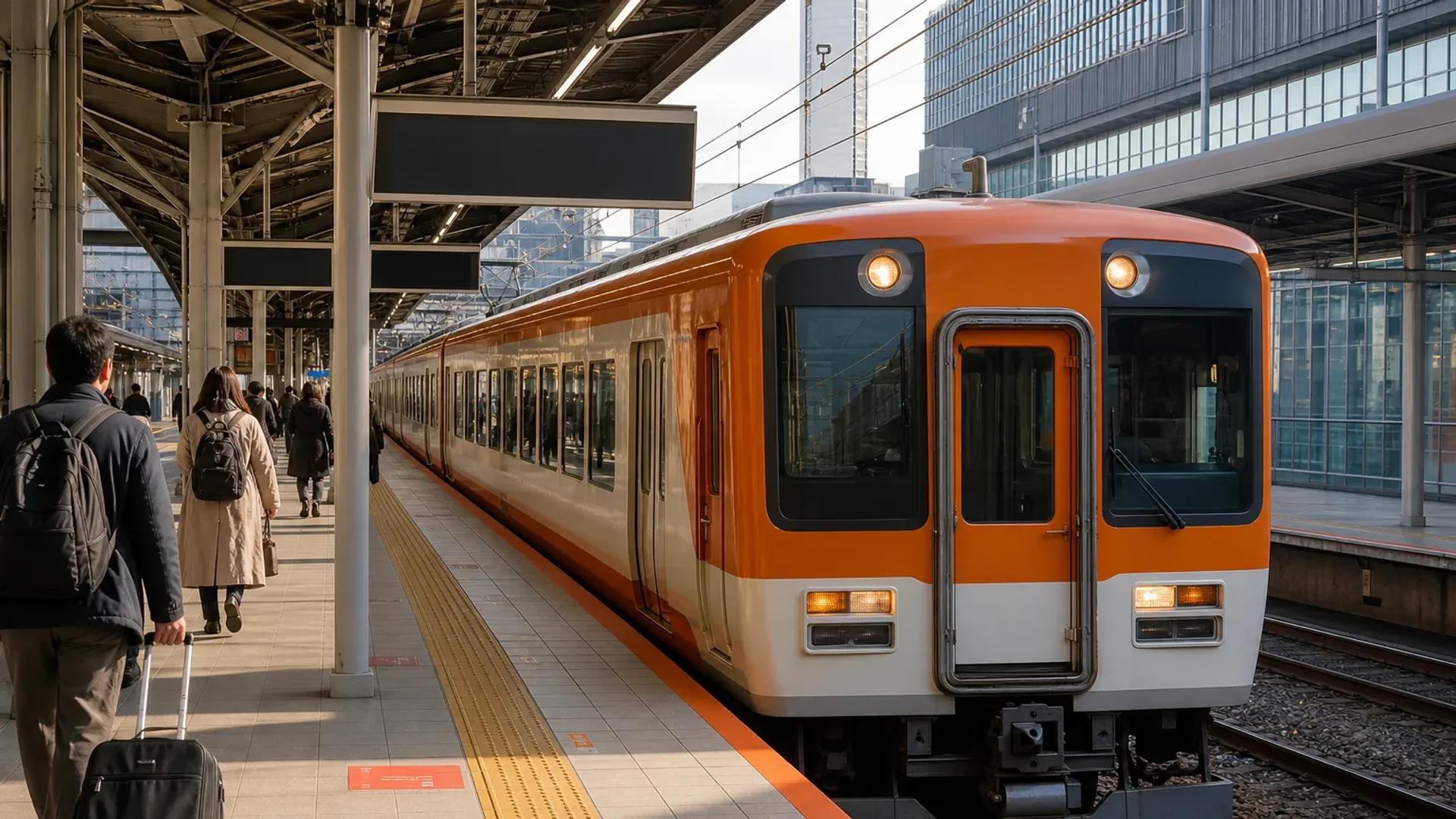
Nara is close enough to Kyoto for a day trip, but the wrong train can add a long walk before your sightseeing starts. We recommend arriving at Kintetsu-Nara Station, then walking the park route in one clean loop. The sights are worth your time. The main choice is how much you want to pay for speed.
For a Nara day trip from Kyoto, start by choosing your arrival station. Kintetsu-Nara Station sits close to the park. JR Nara Station is farther west, so the train fare may be lower, but you will walk more.
The Kintetsu Kyoto Line Express takes about 28 minutes and costs ¥590 each way. That makes it the sensible pick for most travelers paying out of pocket. Check the departure board, since some services may need a change at Yamato-Saidaiji.
The Kintetsu Limited Express takes about 36 minutes and costs ¥1,490. It is more than twice the Express fare, so I’d choose it only when a guaranteed seat matters or your schedule is tight.
JR is the other main route. The JR Nara Line takes about 59 minutes and costs ¥720 each way. It can make sense if you already hold a pass that covers the ride. JR Nara Station is about a 15 to 20-minute walk from the main park area, though you can use a local bus instead.
| Route | Travel time | One-way fare | Choose it when |
|---|---|---|---|
| Kintetsu Kyoto Line Express | About 28 minutes | ¥590 | You want a low fare and a station near the park |
| Kintetsu Limited Express | About 36 minutes | ¥1,490 | You want a reserved seat |
| JR Nara Line | About 59 minutes | ¥720 | Your rail pass covers JR travel |
Our route choice reflects the shape of the day. Nara Park spreads out from the city edge, but Kintetsu puts you closer to its east side. That saves energy for Todai-ji and Kasuga Taisha.
Leave Kyoto early. Aim to reach Nara before 9:00 if you want quieter paths around Todai-ji. You can store bags at either station, but confirm the current locker rules when you arrive.
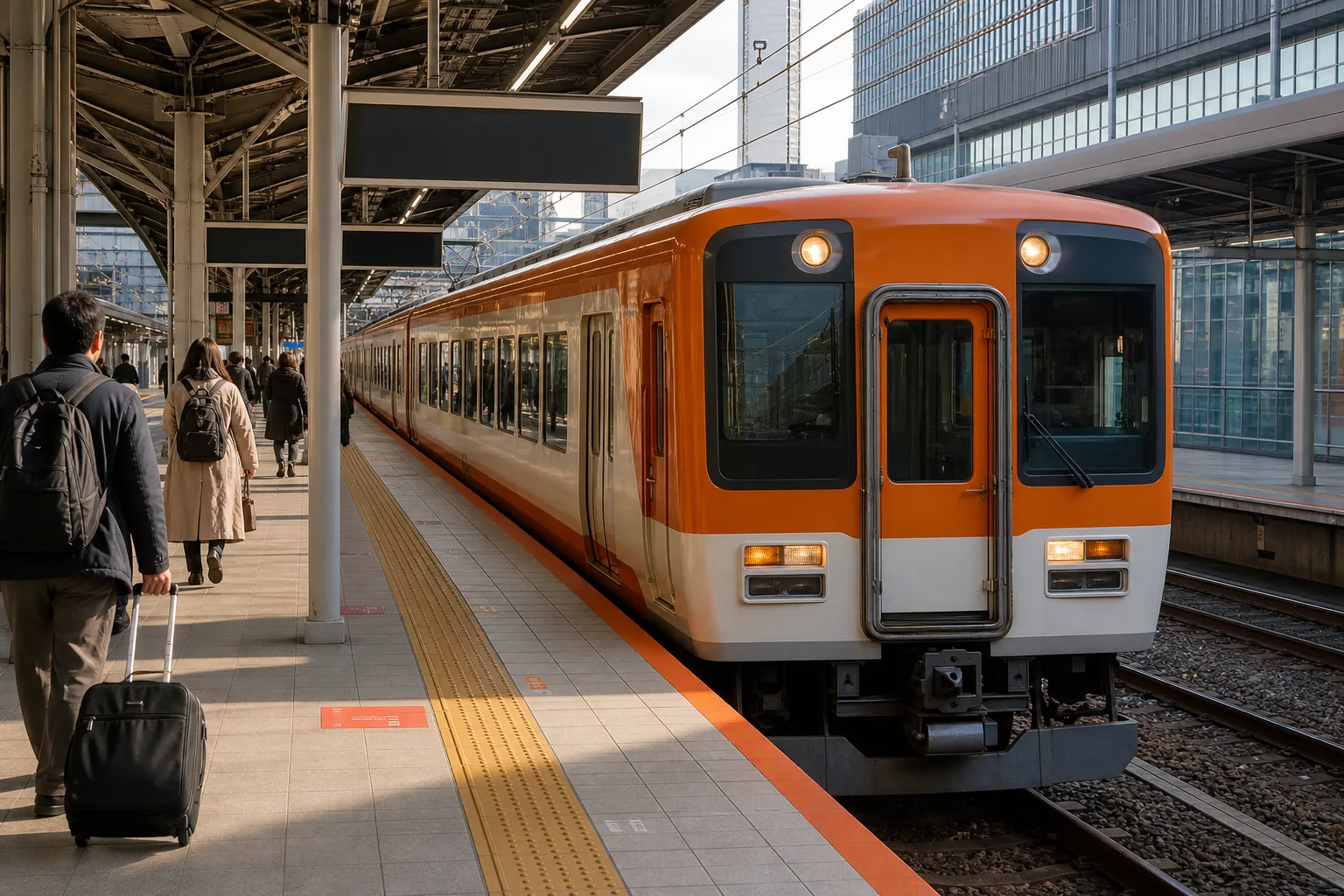
Dream Book Travel keeps this kind of advice simple on purpose. We’d rather tell you that a cheaper train adds walking than push a pass you won’t use. For a wider look at planning time in Kyoto, our Kyoto seasonal guide can help you place the day trip around crowd levels.
Key Takeaway: Take the Kintetsu Express when you want the closest station at a low fare. Pay for the Limited Express only when the reserved seat earns its cost.
A Nara day trip works best when you start at Kintetsu-Nara Station. From there, the main sights form a walkable route through Kofuku-ji, Nara Park, Todai-ji, and the eastern park paths.
First, walk toward Kofuku-ji. The temple grounds are close to the station, so this is an easy first stop. Kofuku-ji is worth keeping in the plan. Some paid buildings may have separate admission fees and opening hours. The grounds and paid buildings are different choices, so don’t assume one ticket covers all areas.
Next, enter Nara Park. The park is free and open around the clock, so it gives you room to slow down. Deer roam freely across the park. Buy crackers only when you’re ready to feed them, because the deer tend to gather fast once they see the packet.
Use the crackers in small batches. Show the deer your empty hands when you’re done. Don’t tease them with food, hold crackers above your head, or let children crowd a deer from behind. These are wild animals that have grown used to people, not tame pets.
From the park, continue to Todai-ji. Give yourself at least an hour for the hall and grounds if you want to look up at the structure instead of rushing through it. The scale is the point. This is a place where photos rarely show how large the building feels in person.
For background, read more about Todai-ji before your visit. If you arrive late in the morning, expect more people around the entrance. Go early if you want a calmer visit.
After Todai-ji, follow the path toward the eastern side of the park. You can stop for a drink before the walk toward Kasuga Taisha. This first loop takes about four to six hours when you include pauses, photos, deer crackers, and temple visits.
Don’t add a distant temple group on the same day. Adding more stops means buses, more planning, and less time at the places that make Nara distinct.
For a fuller Nara day trip from Kyoto, add Nigatsu-do before Kasuga Taisha. Keep both as short, focused stops rather than trying to inspect every building.
Walk uphill from Todai-ji toward Nigatsu-do. The approach includes stone steps, and there is no easy alternative route for visitors who need step-free access. The reward is the open view back toward Nara. Stay long enough to look around, then move on.
Kasuga Taisha takes you deeper into the park. The approach is free, while some inner areas charge an additional fee. The shrine is known for its stone and bronze lanterns, so the walk itself is part of the visit. You don’t need to pay for every area to understand why it belongs on the route.
Plan about 60 to 90 minutes for Nigatsu-do and Kasuga Taisha together. If you arrive after 10:30 on a weekend or holiday, the main paths may feel busy. Start earlier rather than trying to fix the crowd with a faster train.
We also suggest setting aside a short food break. Deer crackers are for deer. Give yourself time for a proper snack or lunch in the city after the park.
In our view, Nigatsu-do is the first stop to cut if you’re tired or arrive late. Keep Kasuga Taisha if you want a quieter forest walk and a shrine visit with a different feel from Kyoto.
Pro Tip: Take a photo of your return station and train line before leaving Kyoto. When you’re tired after the park loop, that small reminder can save a needless walk.
Use the afternoon for Naramachi and Higashimuki Shopping Street. This part of the Nara day trip lets you trade temple grounds for shop fronts, small food stops, and old merchant streets.
Walk back toward the station through Naramachi. The district has narrow lanes and traditional townhouses, so it feels more local in scale than the open park. Don’t rush through it on the way to the train. Give yourself at least an hour if you want to browse.
Then head toward Higashimuki Shopping Street. It runs close to Kintetsu-Nara Station, which makes it a useful final stop. You can shop before boarding without carrying purchases through the whole park route.
Keep cash on hand. Small food stalls and independent shops may not accept cards, even when larger attractions do. Check current prices at the entrance before you commit.
Food works better here than in the park when you need a proper meal. If a shop has a long crowd, look at the menu and decide whether the wait fits your return train. A famous stop can still be a poor choice when it eats 40 minutes of your day.
We’d skip trying to add a distant museum or western temple at this point. Naramachi is a good final neighborhood because it keeps you near the station and gives the day a clean finish.
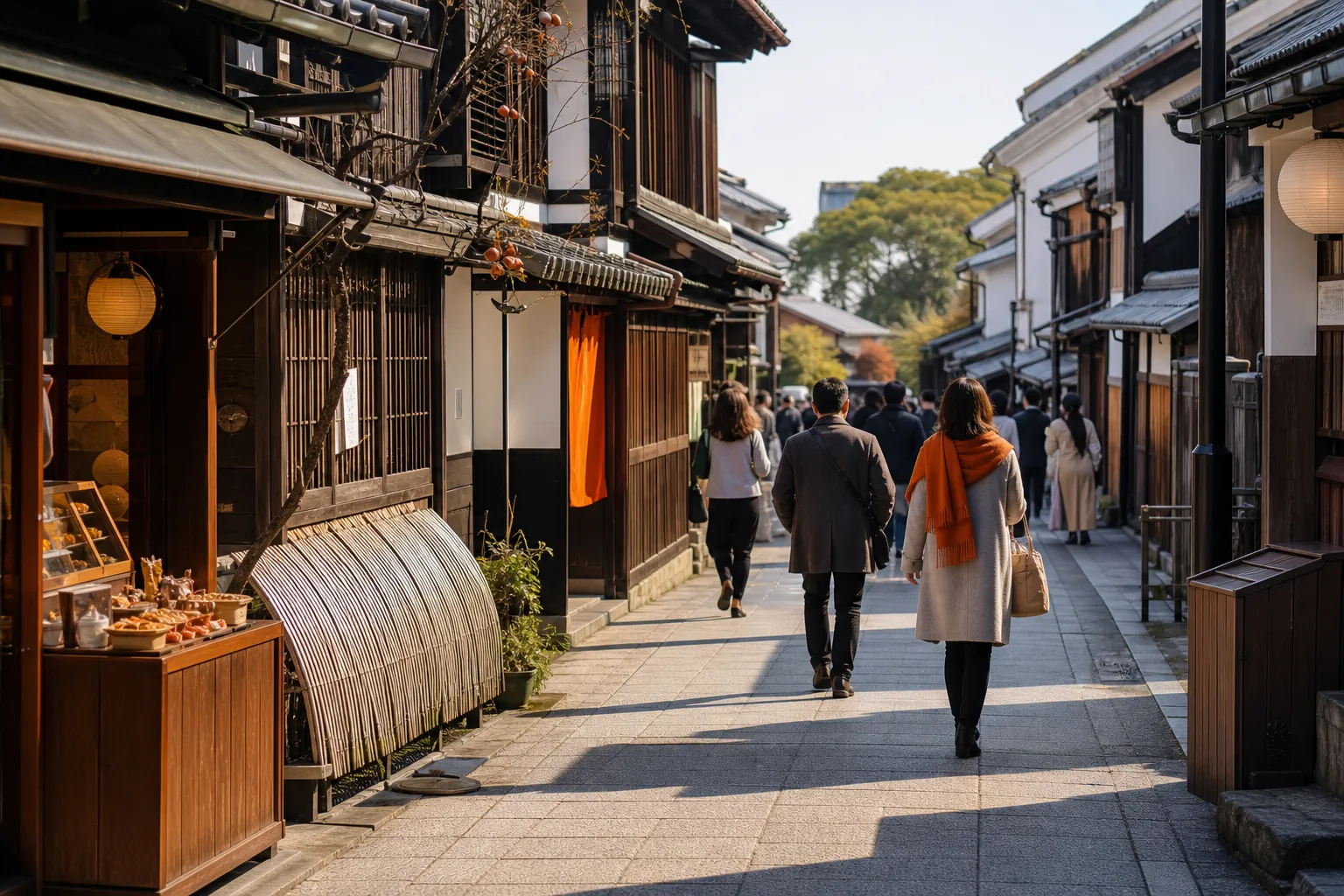
Dream Book Travel’s approach is to leave space for this kind of stop. A day trip should have one flexible hour. That buffer covers a slow lunch, a wrong turn, or the deer that refuses to let you leave.
The cost of a Nara day trip from Kyoto depends more on the train and paid temple areas than on the park itself. Nara Park costs ¥0 and is open 24 hours, but most other entry details need checking before you go.
The Kintetsu Rail Pass 1day costs ¥1,900, or about $13. It covers unlimited rides on Kintetsu lines and includes listed Nara bus coverage. The pass does not necessarily pay for itself on the train alone.
Choose that pass when you’ll add local rides or continue toward Osaka on Kintetsu. Otherwise, pay for the individual train. The Nara 1-Day Bus Pass costs ¥600, or about $4, but you may not need it if you stay within the central walking route.
The JR West Kansai Area Pass costs ¥2,800, or about $19. It can make sense when you already plan several JR journeys in the wider Kansai region. Buying it for one Kyoto to Nara return is hard to justify.
Transport from Kyoto is a key part of the budget. Add food, drinks, and any paid temple areas. A self-guided day can vary with your admission choices.
Opening hours and admission details can change, so check each temple or museum’s current page before leaving Kyoto, especially if one site is the reason you chose a specific train.
A no-skip recommendation doesn’t mean every attraction belongs in one itinerary. The guides won’t always say that. We will. Pick the route first, then add one extra stop if your pace allows.
For broader Japan planning, Dream Book Travel’s Japan destination guide can help you decide where Nara fits in the rest of your trip. Set your return train before lunch, then keep enough cash for small shops and food.
Yes, Nara is worth a day trip from Kyoto if you want large temple buildings, free-roaming deer, and a walkable park route. The trip works well because the main sights cluster near Kintetsu-Nara Station. It is less appealing if you dislike walking, crowded animal encounters, or days with several temple stops.
The Kintetsu Kyoto Line Express is the fastest low-cost option at about 28 minutes. The Kintetsu Limited Express takes about 36 minutes and costs more because it includes a reserved seat. Check the live timetable before departure, since service patterns can change.
Kintetsu is better for most visitors heading straight to Nara Park because Kintetsu-Nara Station is closer to the main sights. JR is useful when your pass covers the route or you prefer JR services. JR Nara Station requires a longer walk or a local bus ride before sightseeing begins.
A self-guided day’s total changes with transport, food, and admission choices. Kintetsu Express return fares vary. Nara Park itself is free, while temple and museum fees vary.
Yes, you can see Nara in half a day by focusing on Kofuku-ji, Nara Park, and Todai-ji. Add Kasuga Taisha if you have more time and start early. Leave Naramachi for a full day. Trying to include distant western temples will make a short visit feel rushed.
We recommend the trip for most Kyoto stays. Take the Kintetsu Express to Kintetsu-Nara Station, start with Todai-ji, then walk through the park toward Kasuga Taisha and back through Naramachi. Check opening times and current fees the night before, then leave Kyoto early. That plan gives you the parts worth paying for without turning the day into a race.
Use this Edinburgh itinerary 3 days plan for honest sightseeing, transit tips, free stops, museums, budget notes, and what to skip.
Find the best areas to stay in London for tourists, with honest advice for first-time visitors, culture lovers, foodies, and theater fans.
Find the best Greek islands for families by travel style, beach access, activities, and travel-day tradeoffs. Honest picks and planning notes.