Edinburgh Itinerary 3 Days: A Practical Plan
Use this Edinburgh itinerary 3 days plan for honest sightseeing, transit tips, free stops, museums, budget notes, and what to skip.
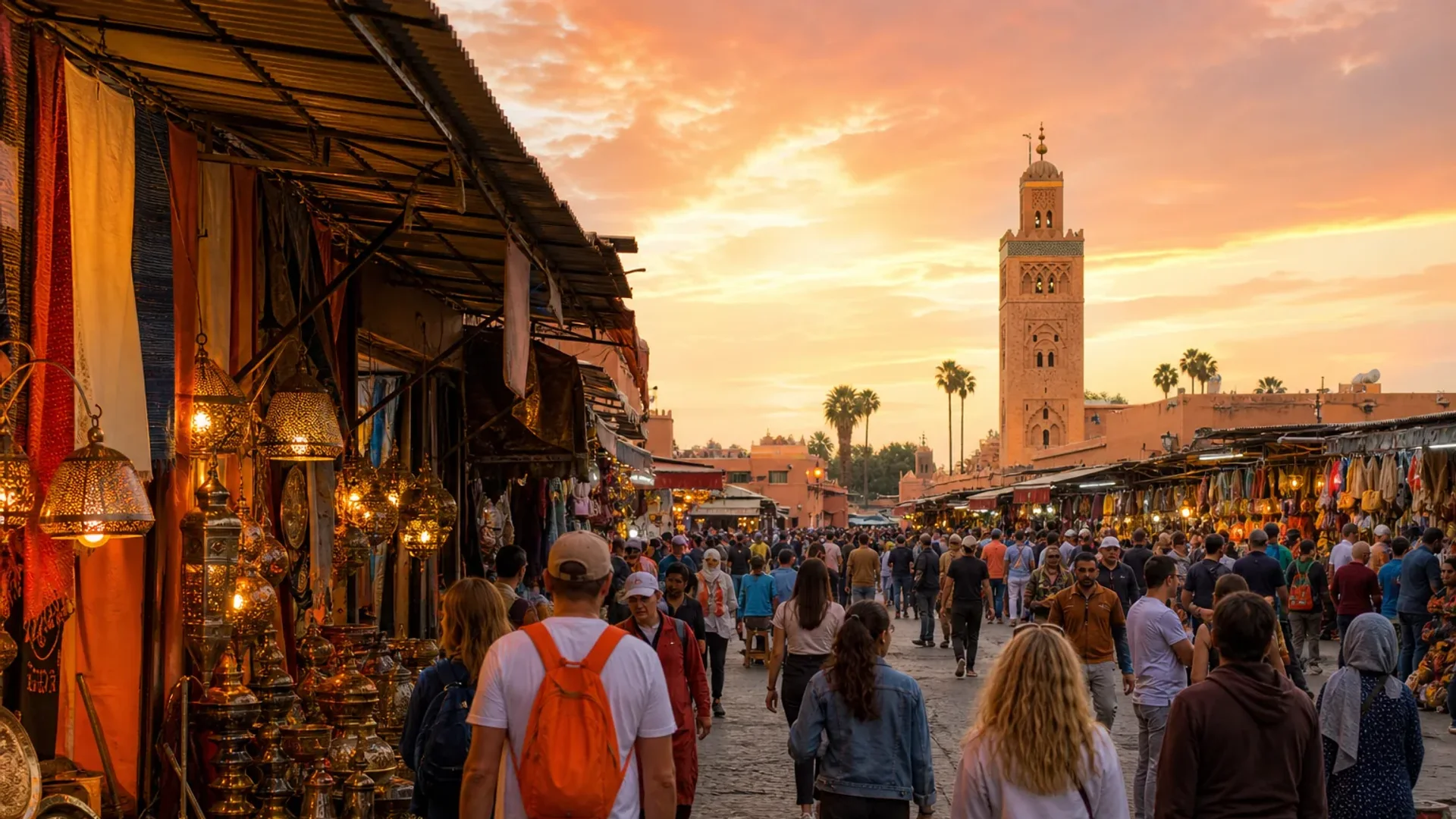
A Morocco itinerary 10 days long can cover Marrakech, the High Atlas, the Sahara, Fes, and Chefchaouen. But it won’t feel relaxed unless you treat driving days as part of the trip. We recommend a south-to-north route with one clear skip: choose either Chefchaouen or extra time in Fes, not both at full length.
Here is the route we would actually plan, with transport choices, known costs, and the long days the glossy guides won’t mention.
We compared seven of the top-ranking 10-day Morocco itinerary guides, from Rough Guides to Dana’s Dolce Vita. Five of the seven list driving times of 4 to 9 hours for the Marrakech-Sahara-Fes stretch, confirming how much road time the route demands. Only one of the seven tells readers to drop either Chefchaouen or extra Fes time to fit ten days, while the other six keep both cities in the same plan. Naming that exact cut, rather than just the driving hours, is what sets a workable ten-day Morocco route apart from the rest.
A workable Morocco itinerary 10 days long needs a fixed route before you buy a flight. The clean version starts in Marrakech, heads through the High Atlas and desert, then finishes in Fes or near Casablanca.
Most published plans assume a rental car. Others simply say “drive.” That tells you something useful: this route is built around road time, not fast rail between every stop.
We would choose a multi-city flight if the fare makes sense. Fly into Marrakech, then leave from Casablanca or Rabat. If the price difference is large, return to Marrakech instead. The fare matters more than forcing a perfect map.
| Route choice | Use it when | Trade-off |
|---|---|---|
| Rental car | You want control over stops and travel with at least two people | You handle mountain roads, parking, and the long desert return |
| Organized multi-day desert tour | You don’t want to drive remote stretches | Your pace follows the group and set departure times |
| Public transport plus local excursions | You travel solo and want to avoid driving | Remote stops need more planning and often a multi-day tour |
A rental car can cost around €20 per day for a compact car, based on one researched road-trip account. A three-day tour from Marrakech was listed at around €100, with lodging, guides, and transport included. Treat both figures as reference points, not live quotes. Set a price alert, then check the terms for fuel, insurance, and one-way fees.
For the first leg, we would keep Imlil optional. The detour adds about 1.5 to 2 hours of driving, plus a night. If hiking matters to you, keep it. If not, drive toward Ouarzazate and protect time for the desert.
Dream Book Travel uses this kind of route check before adding stops. Our Iceland Ring Road itinerary with realistic driving times follows the same rule: map the travel day first, then place sights around it.
Before booking, compare the route against official border, entry, and road guidance for your nationality. Also check whether your rental agreement allows the roads you plan to use. A pretty route on a map can still be a poor plan after dark.
Key Takeaway: Choose your transport first, then decide whether Imlil and Chefchaouen fit the time you have left.
Use the first two days of your Morocco itinerary 10 days trip to settle into Marrakech, not chase every landmark. Stay in or near the Medina if you want to walk to the souks and the main square.
On day one, keep the plan light. Check in, walk through Souk Semmarine, then reach the main square before sunset. The square changes sharply after dark, with food stalls and performers filling the space. Keep your phone secure and agree on a meeting point before you wander.
The Medina is worth your time, but it can be tiring. People may offer directions, claim a road is closed, or guide you toward a shop. We suggest a firm “no, thank you” and a steady pace. Don’t follow someone simply because they sound helpful.
On day two, visit a historic religious school early. Give it at least an hour if you want to look at the tile work instead of rushing through for a photo. Then use the afternoon for one smaller stop, a rooftop break, or a guided walk.
Traditional riads suit this part of the route because you can return on foot. A named mid-range example was listed at $62 per night for a double room, but rates change with dates and demand.
We would skip the expensive photo chase at a luxury hotel unless the hotel itself matters to you. One researched guide mentioned a possible day pass while also judging it poor value. That is exactly the kind of spend we would cut from a ten-day trip.
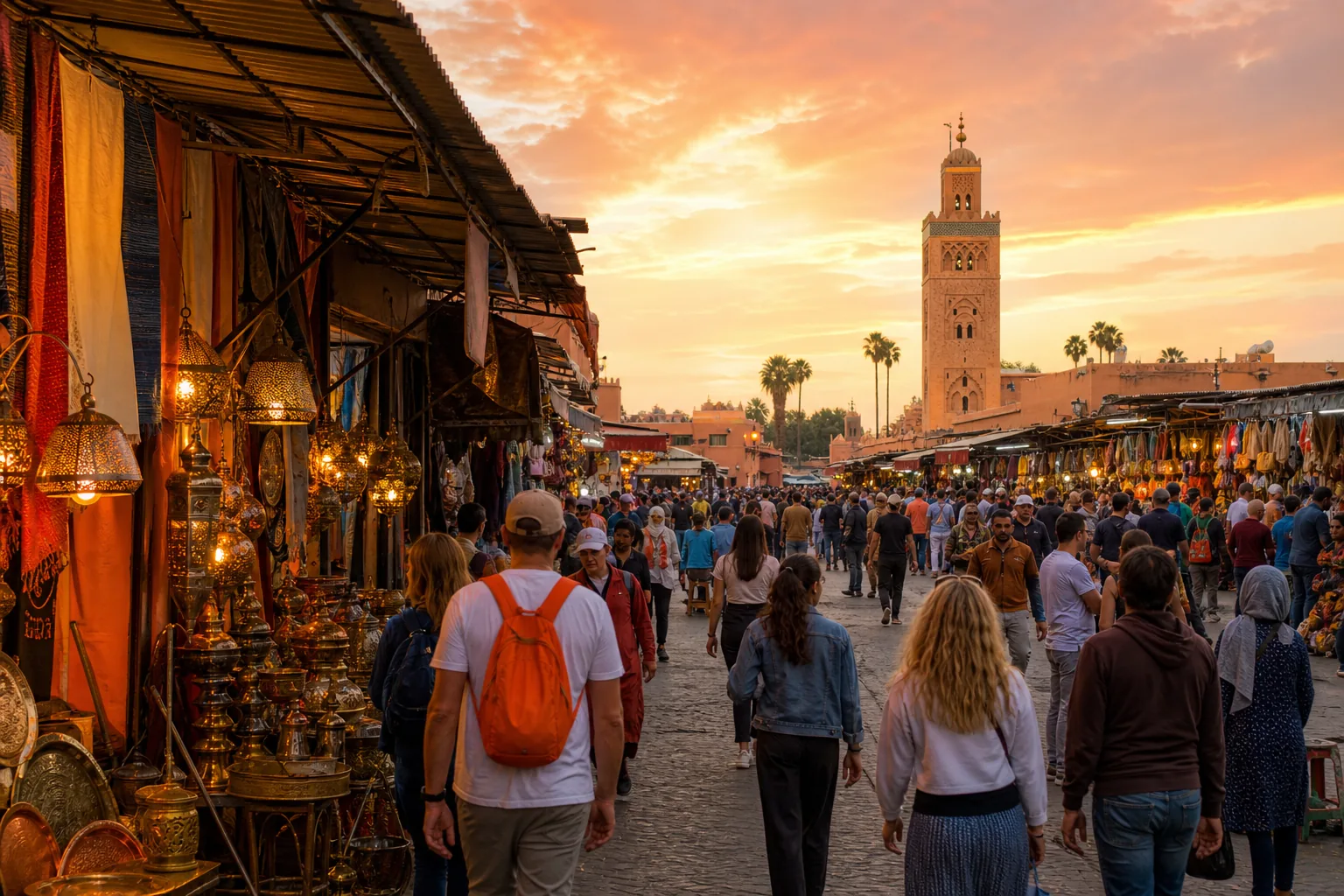
For food, keep lunch flexible and save your energy for the evening. Mint tea and a tagine can take longer than expected when the streets are busy. We would rather eat one calm meal than tick off three named places.
The main square has a documented cultural history, but the visitor experience also raises questions about animal welfare and aggressive photo sellers. Background on Marrakech’s main square gives useful context for its place in Marrakech. We recommend declining animal-photo offers and avoiding any activity that makes you uncomfortable.
At this point, you should have cash in Moroccan dirhams, offline directions, and a plan for leaving the Medina without a late-night scramble. Day three starts early.
This is the demanding middle of a Morocco itinerary 10 days long. Days three through five connect Marrakech with a historic earthen settlement, the Draa Valley area, and a desert overnight stop. The scenery earns the drive, but the drive still counts.
Leave Marrakech early on day three. If you chose Imlil, spend the night there and take a day hike near Toubkal National Park. You don’t need a summit trek to make the detour worthwhile. A shorter walk gives you mountain time without turning the whole itinerary into a hiking trip.
If you skip Imlil, drive toward Ouarzazate and a historic earthen settlement. This is the cleaner choice for travelers who care more about the desert than a mountain village. The route keeps moving without breaking the plan.
Spend enough time at the historic earthen settlement to walk up through it. It is a living place, not only a film backdrop. The site is a ksar, an earthen settlement, and its architecture needs care from visitors. You can read the background on the historic earthen site before you go.
Then continue toward the desert. Book the overnight stay before leaving home, especially if you want a private tent. Bring layers. Desert nights can feel cold, and mountain nights can be colder. Carry enough cash for smaller towns because ATMs are less dependable outside the main cities.
The desert night is worth the effort if you want silence, open sky, and a sharp change from Marrakech. It is less appealing if you dislike long road days or staged camp activities. We would choose one night, not two, in a ten-day plan.
Now for the catch. Several itinerary plans place a heavy return drive on day eight after the desert overnight stop. That is counter-intuitive. The desert feels like the rest part of the trip, but it can leave you facing a long road leg soon after sunrise.
We would plan the desert as an active travel day. Pack breakfast items, keep water in the car, and agree on driver changes before the trip begins. Don’t promise yourself a relaxed afternoon in Marrakech after a full day behind the wheel.
Pro Tip: Put the driver with the most mountain-road confidence behind the wheel for the steepest sections, then switch once the road becomes easier.
By the end of this step, you should have crossed the Atlas, seen a historic earthen settlement, and spent one night near the dunes. The next choice is how much northern Morocco you can handle.
Days six to eight are where a Morocco itinerary 10 days plan can become too crowded. Fes deserves a full day. Chefchaouen deserves time too, but fitting both after the Sahara means accepting another long transfer.
Reach Fes after the desert leg if your transport plan allows it. Spend the first afternoon getting settled rather than trying to see the whole medina. On the full day, focus on one walking route through the old city, then pause. Fes rewards attention, not speed.
Chefchaouen works better as an overnight stop than as a rushed photo break. The blue streets are easy to see in a few hours, but the trip there and back takes time. If your departure is near, skip Chefchaouen and keep the extra night in Fes.
That is our honest cut. We would remove Chefchaouen before removing the Sahara or Marrakech. Everyone argues about the order, but the map does not care how many places you want to name.
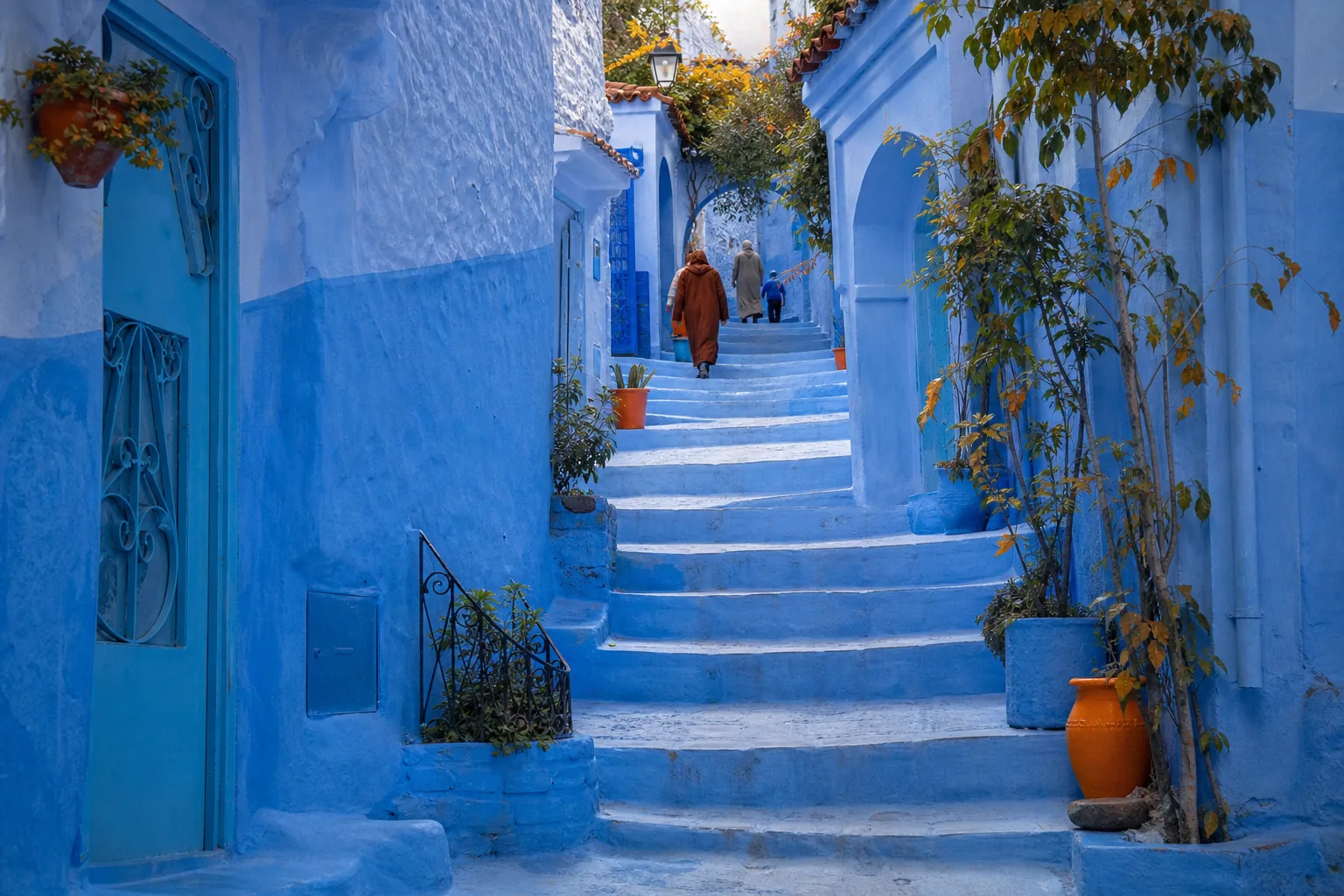
One forum itinerary places Fes on day twelve and Chefchaouen on the next day before a flight from Rabat or Casablanca. That schedule shows the basic problem: the northern cities can fit, but only when you accept short stays and long transfers.
Use a rental car only if you are comfortable with the return plan. Otherwise, finish the remote desert segment with a prearranged transfer and use the simplest available connections once you reach Fes. The fewer times you change transport, the fewer handoffs you need to manage.
Dream Book Travel’s approach is simple here. We name the stop that earns the time, then say what to cut. Our Southern Spain itinerary with train times and route advice uses the same pacing test for a packed trip.
By the end of day eight, choose your final city based on your flight, not wishful thinking. A late transfer before an international departure is a poor place to save one night.
Use the last two days to reach your departure city with room for delays. Rabat suits travelers who want a calmer final stop. Casablanca makes sense when your flight leaves there or the airport connection is simpler.
If you choose Rabat, arrive early enough for a walk and one main sight. Don’t treat it as a quick photo stop between Fes and the airport. The final city should lower the trip’s pace, not add another race.
Casablanca is a sensible logistics base. A private tour listing that starts in Casablanca or Rabat includes both as pickup and departure points, which shows how common these cities are for final transfers. Its listed seven-day route also includes long road legs through the desert and northern cities, so use it as a warning about pace rather than a template to copy.
We would stay close to the airport only when the flight leaves early. Otherwise, sleep in the city and leave a generous buffer. Confirm the drive time with your accommodation the night before because traffic can change the plan.
Budget planning is harder than many itinerary pages admit. Use the known reference points as a starting line, then add your own flight, lodging, fuel, meals, entry fees, tips, and insurance.
These are researched figures, not promises. Check current rates before you book. Dream Book Travel keeps budget notes separate from wish lists for that reason. A cheap room does not stay cheap after a costly transfer, and a low tour price may leave out lunches or entrance fees.
Key Takeaway: Protect the last night, price the missing line items, and choose Rabat or Casablanca around your departure flight.
Ten days is enough for a first route through Marrakech, the desert, and Fes, but it won’t feel slow. Add Chefchaouen only if you’re willing to accept another transfer. Our Morocco itinerary 10 days plan works because it treats road time as a major part of the trip.
Renting a car makes the mountain and desert route easier to control, especially for two or more travelers. It also puts parking, insurance, and long driving days on you. Solo travelers may prefer public transportation plus an organized desert excursion. Compare the full cost, not only the daily rental rate.
The Sahara is worth the time if you want the desert experience more than extra city days. It requires long transfers, so it isn’t a restful add-on. In a Morocco itinerary 10 days long, keep the desert overnight stay to one night and avoid adding coastal stops unless you remove another destination.
You can visit both in two days, but you won’t explore either deeply. Fes needs a full day, while Chefchaouen adds transfer time. If your flight is near, keep Fes and skip Chefchaouen. That choice makes the final part of the route safer and less rushed.
Skip Imlil if hiking is not a priority, and skip Chefchaouen if the northern transfers make the route tight. We would also avoid expensive hotel day passes that don’t add much to the trip. Spend that money on better transport timing or one extra night.
We recommend two days in Marrakech, one optional mountain night, one historic earthen site, one desert overnight stay, two days around Fes, and a calm finish near Rabat or Casablanca. Book the transport and first desert night first. Then use Dream Book Travel’s 10-day itinerary planning approach as a final pacing check before you lock in every hotel.
Use this Edinburgh itinerary 3 days plan for honest sightseeing, transit tips, free stops, museums, budget notes, and what to skip.
Find the best areas to stay in London for tourists, with honest advice for first-time visitors, culture lovers, foodies, and theater fans.
Find the best Greek islands for families by travel style, beach access, activities, and travel-day tradeoffs. Honest picks and planning notes.