Edinburgh Itinerary 3 Days: A Practical Plan
Use this Edinburgh itinerary 3 days plan for honest sightseeing, transit tips, free stops, museums, budget notes, and what to skip.
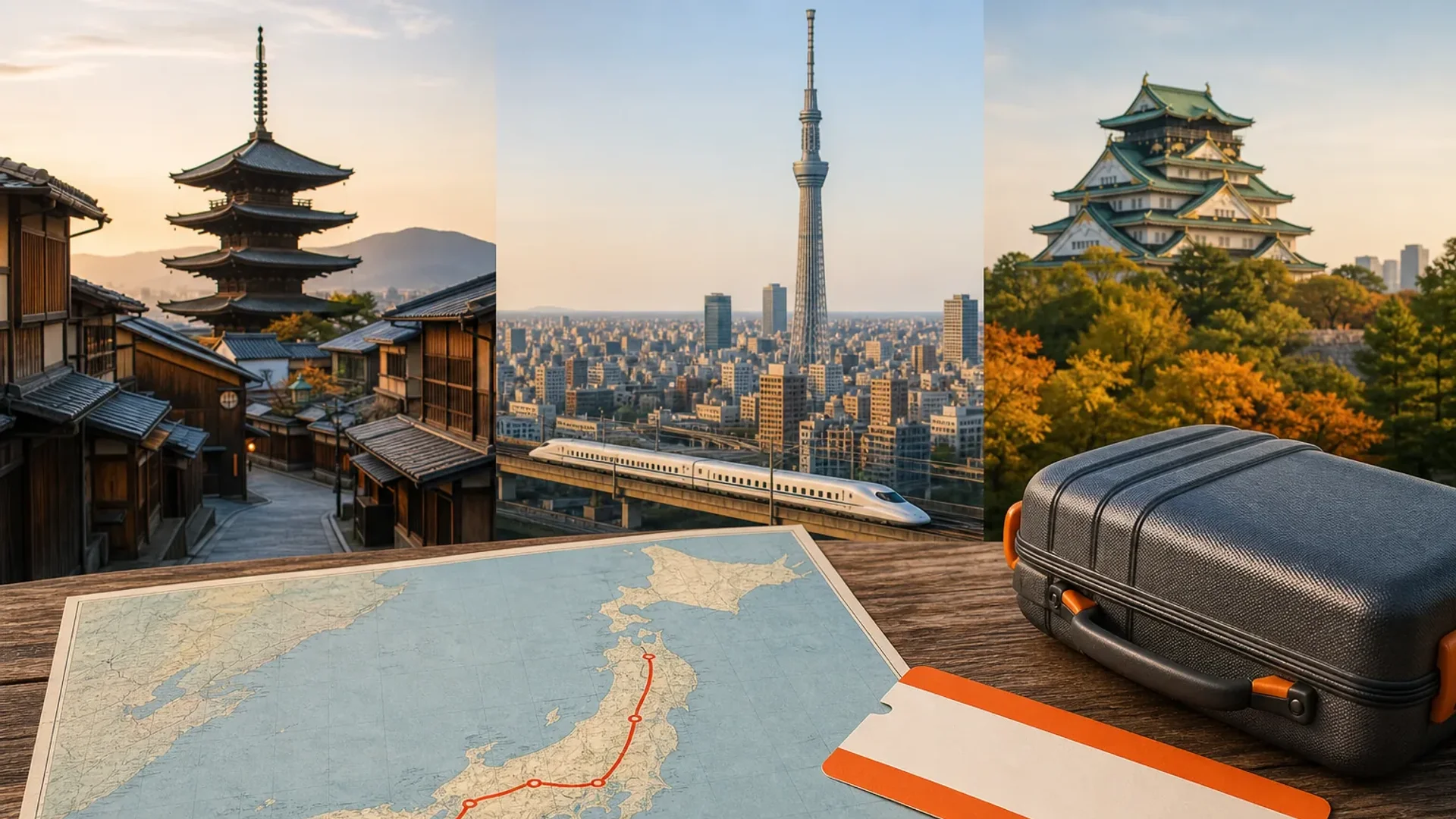
A week in Japan is enough for Tokyo, Kyoto, and Osaka, but only if you keep the route tight. The often-quoted $115 daily budget is a rough average, not a promise. Local costs can run from about ¥500 to ¥14,000, so we’ll plan the days first and build the budget around your choices.
A workable japan itinerary 7 days long needs three bases, not a new hotel every night. We recommend two nights in Tokyo, three nights in Kyoto, and two nights in Osaka. That gives you six sightseeing days plus one arrival or departure day.
Fly into Tokyo and out of Osaka if the fare makes sense. This open-jaw route cuts backtracking because you finish near Kansai International Airport. If the fare difference is large, use a return flight from Tokyo and treat Osaka as a day trip, but expect a longer final travel day.
Keep each day inside one broad area. Tokyo is too large for a morning in Asakusa, lunch in Hakone, and dinner in Shibuya. Kyoto also punishes overplanning. Three major sights in one day is enough once you add train waits, queues, and meals.
| Day | Base | Area plan | Travel note |
|---|---|---|---|
| 1 | Tokyo | Arrival, Shinjuku | Stay near your hotel |
| 2 | Tokyo | Asakusa, Ueno, Akihabara | Use one east-side loop |
| 3 | Kyoto | Tokyo to Kyoto, Fushimi Inari, Gion | Take an early Shinkansen |
| 4 | Kyoto | Arashiyama and northern Kyoto | Start before the crowds |
| 5 | Kyoto | Higashiyama and central Kyoto | Walk where possible |
| 6 | Osaka | Namba, Dotonbori, Shinsekai | Move by local train |
| 7 | Osaka | Breakfast, airport or extra city time | Allow a full airport buffer |
Our guide to the cheapest time to fly to Japan can help if your dates are flexible. Flights and hotel rates often shape the trip more than a small saving on a subway ride.
We also suggest checking current entry guidance and seasonal travel notes before you pay for nonrefundable bookings.
Dream Book Travel’s rule is simple: skip the obvious when it costs too much time for too little reward. In this route, that means saying no to distant day trips unless one matters more to you than an extra day in Kyoto.
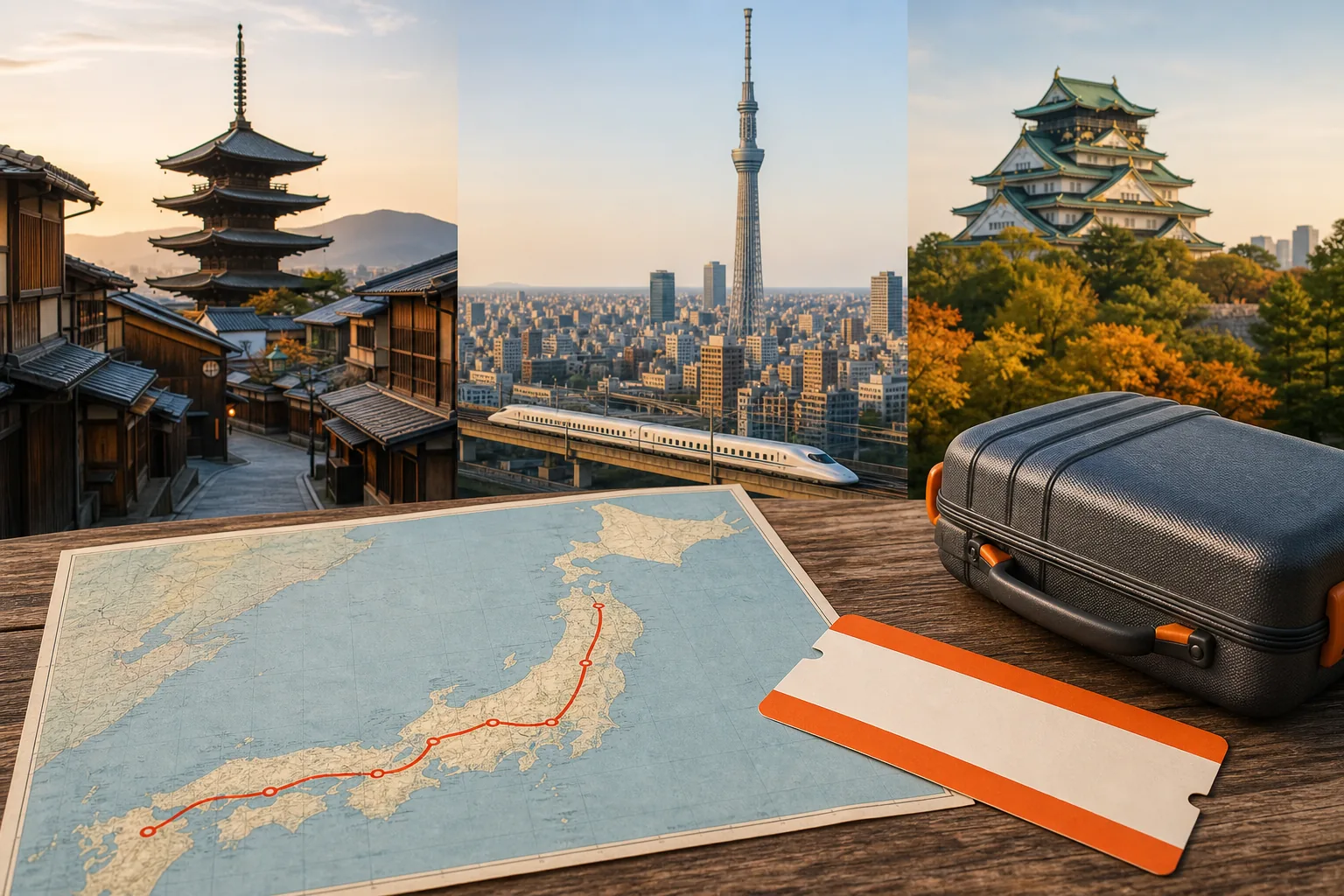
Key Takeaway: Book the route as Tokyo in, Osaka out when the fare is sensible, then group each city’s sights by neighborhood.
For the Tokyo part of this japan itinerary 7 days plan, sleep near Shinjuku or Shibuya if transit access matters most. Tokyo stations can take time to learn, so a well-placed hotel saves more energy than a slightly cheaper room far from a station.
Use day one as a soft landing. After check-in, walk around Shinjuku. The Tokyo Metropolitan Government Building has a free observation deck, while Shinjuku Gyoen costs ¥500 according to the supplied travel research. Pick one. You don’t need both after a long flight.
For dinner, look around Omoide Yokocho or choose a casual ramen shop near the station. A simple meal may be affordable, though prices change. Keep the night short. Jet lag is useful only if you don’t fight it.
Day two should run east to west in a clear order. Start at Senso-ji in Asakusa before 8 a.m. The temple grounds are calmer early, and Nakamise-dori becomes busier once shops and tour groups arrive.
Walk or take local transit to Ueno. If museums interest you, the Tokyo National Museum has a listed entry price of ¥1,000 in the research material. If not, spend less time there and continue to Akihabara for electronics, games, or manga shops.
Finish in Shibuya. See the crossing at street level, then choose an observation deck only if the view is worth the fee for you. The supplied research lists Shibuya Sky at ¥2,500, with online booking advised. We’d skip a second paid viewpoint if you already used the free deck in Shinjuku.
Harajuku fits between Shibuya and Shinjuku if you still have energy. Walk through Meiji Jingu, then use nearby side streets rather than spending your whole visit on Takeshita Street. That street is easy to reach, but the crowds can make it feel like a queue with shops attached.
We’d skip the Robot Restaurant. The supplied source says it closed, and similar replacement shows can cost far more than a normal evening meal. Put that money toward a meal you actually want.
Pro Tip: Save each destination as a neighborhood cluster in your map app. When you leave one area, don’t reverse course for a single photo stop.
Kyoto gets three nights in this japan itinerary 7 days route because it needs slower days. Take the early Shinkansen from Tokyo Station to Kyoto. The research lists the Hikari journey at about 2 hours and 15 minutes, with a fare near ¥13,700 one way. Check the current fare before booking.
Leave large bags at your hotel or use a Kyoto Station locker. After check-in, head to Fushimi Inari. You don’t need to hike every torii gate on arrival day. Walk the lower path for at least 30 minutes, then return for dinner in Gion.
Day four belongs to western Kyoto. Arrive in Arashiyama around 7 a.m. Walk through the Bamboo Grove before tour groups fill the path. Then visit Tenryu-ji and choose one more stop. The supplied Kyoto route lists Tenryu-ji’s garden at about ¥500.
After lunch, take a bus or taxi toward Kinkaku-ji. Add Ryoan-ji only if you still have the energy to enjoy it. Kyoto’s buses can be slow and crowded, so a short taxi ride may protect an hour of sightseeing. That trade-off can make sense when you have only three days.
Day five covers southern Higashiyama and central Kyoto. Start at Kiyomizu-dera, then walk down the Ninenzaka and Sannenzaka lanes. Continue through Maruyama Park toward Gion. In the afternoon, choose Nishiki Market or a quiet walk beside the Kamo River.
We don’t recommend squeezing Nara into this version unless you’re willing to remove Arashiyama or central Kyoto. Nara is easy to reach, but every side trip takes time away from the city you chose as your main cultural base.
Kyoto rewards an early start more than a long checklist. If your dates fall in a crowded season, begin before breakfast and leave your evening open. The guides won’t always tell you how tiring a packed bus feels after six hours on foot.
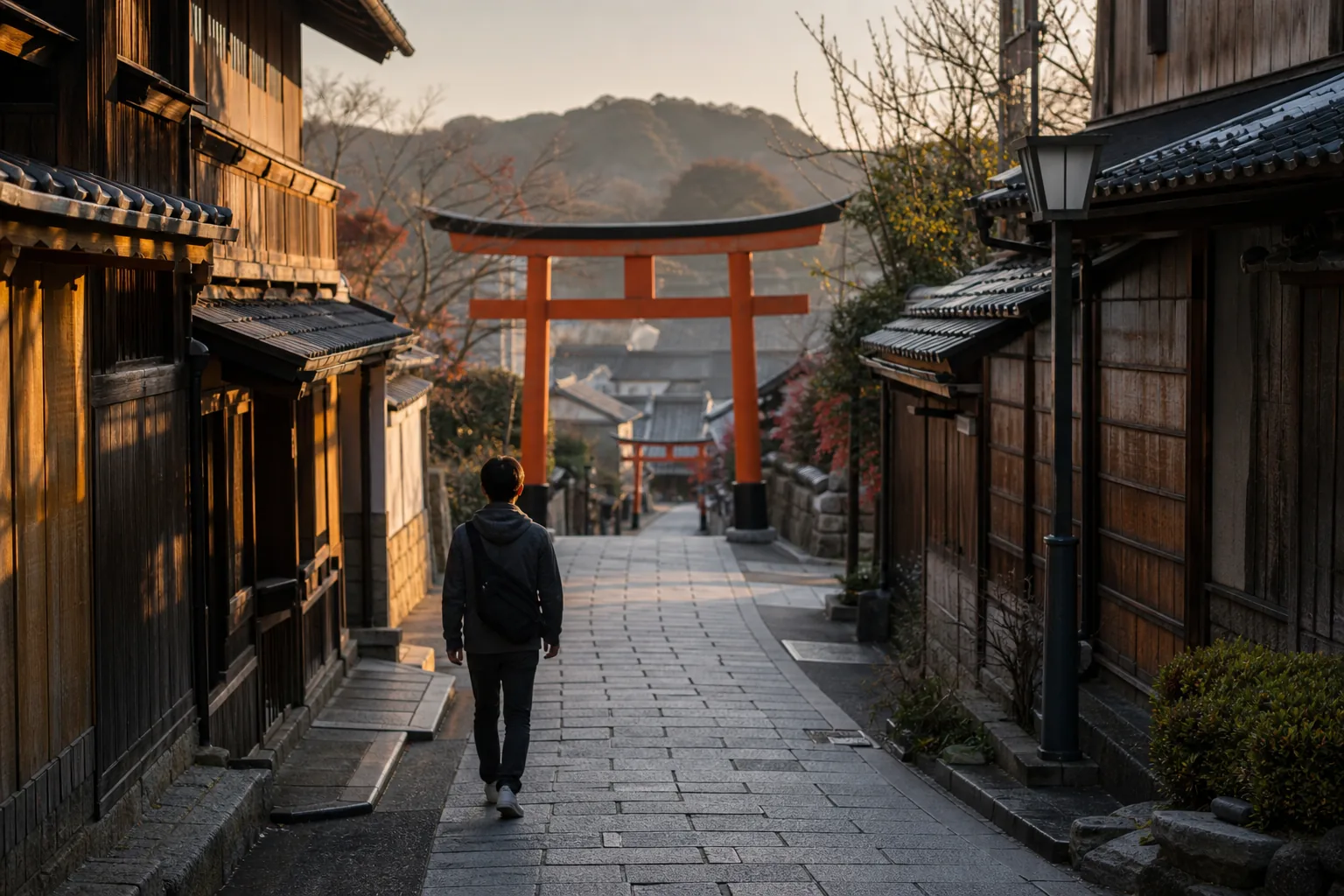
Key Takeaway: Give each Kyoto day one main area. A shorter list lets you notice the place instead of watching the clock.
Osaka is the final base in this japan itinerary 7 days plan. The trip from Kyoto is short, so you can move after breakfast instead of losing a full travel day. The research lists the Shinkansen at about 15 minutes, while a Hankyu express takes about 30 minutes and costs around ¥410.
Stay near Namba if food and evening walks matter most. Start day six with Osaka Castle grounds, then move toward Dotonbori and Namba. Osaka’s appeal is strongest when you stop treating it like a museum route and make room for small meals.
Street-food pricing varies by stall and portion, so check menus before ordering and keep cash for smaller stalls.
Choose one evening zone. Dotonbori is bright and busy, while Shinsekai has a more old-school feel. Trying both in one night is possible, but it can turn dinner into a transit plan. We’d pick one and stay put.
Use day seven based on your flight. If you leave from Kansai International Airport, allow about 90 minutes from central Osaka in addition to check-in time. The research lists the Haruka at about ¥2,380 and the Nankai Rapit at about ¥1,290. Confirm the route for your station and departure time.
If your flight is late, take a short morning walk near Namba. Don’t schedule Universal Studios, a distant castle, or a second city on departure day. A missed flight costs more than the extra attraction is worth.
Dream Book Travel’s editorial promise is to tell you what to skip, not pile on another ten stops. For Osaka, the honest skip is a rushed final excursion. Keep the last morning calm.
Book the big pieces first. That means flights, Tokyo and Kyoto hotels, the Tokyo to Kyoto train, and the Osaka airport transfer. Leave a little space for meals and weather changes.
Don’t buy a nationwide rail pass by habit. Rail pass pricing can change, so compare the pass with your actual long-distance fares before you pay.
Check current rail pass rules, prices, and seat reservation options before booking. A national pass may suit a route with several long Shinkansen trips. For Tokyo, Kyoto, and Osaka alone, point-to-point tickets may be simpler.
Carry an IC card for local transport. The rail pass does not cover every private railway or subway, while an IC card handles many local trains, buses, convenience stores, and vending machines. Load a modest amount first, then add funds as needed.
Build your budget in yen before converting to dollars. The flat $115 daily estimate found in one itinerary hides a wide local range, with listed costs running from ¥500 to ¥14,000. Your own total depends on paid sights, train choices, meals, and hotel class.
| Budget line | Use this planning question | What can push it higher |
|---|---|---|
| Hotels | Will you stay in one room for each base? | Peak dates and larger rooms |
| Intercity rail | Do your fares beat a rail pass? | Extra long-distance trips |
| Local transport | Can you group sights by area? | Cross-city taxis and detours |
| Food | Which meals deserve a splurge? | Omakase, hotel dining, and drinks |
| Admissions | Which paid sight is worth your time? | Multiple towers, museums, or parks |
Reserve seats soon after you settle your dates if you travel during a busy period. Keep hotel locations close to stations, but don’t choose a room solely by station size. A smaller station with a clear exit can save you stress.
Our Japan destination guide is useful if you’re still deciding which city deserves the extra night. For this seven-day route, we’d add that night to Kyoto before adding another side trip.
Seven days is enough for a first look at Tokyo, Kyoto, and Osaka, but it will feel fast. You’ll need to skip distant day trips and keep each day inside one area. If you prefer slow travel, choose Tokyo and Kyoto only. That gives you more time for meals, walks, and rest.
We suggest two nights in Tokyo and three nights in Kyoto for this route. Tokyo gives you one east-side day plus time in Shinjuku or Shibuya. Kyoto needs extra time because its major areas sit apart. Osaka then works well as the final two-night base.
The JR Pass is worth comparing, but it isn’t an automatic purchase for Tokyo, Kyoto, and Osaka. Point-to-point tickets may cost less when you make only one long Shinkansen trip. Add Hiroshima or another distant city and the maths may change. Check the current fare before buying.
Your seven-day Japan budget depends most on hotels and meals. Treat $115 per day as a rough planning marker, not a fixed cost. Listed local expenses can range from about ¥500 to ¥14,000. Write your own yen budget for lodging, rail, food, and admissions before converting it to dollars.
Skip distant side trips that force you to cross the same city twice. We’d also skip the Robot Restaurant style of tourist show, a second paid viewpoint, and a rushed departure-day attraction. Keep the stops that match your interests. A shorter route usually feels fuller.
We recommend Tokyo, Kyoto, and Osaka for a first week, with an open-jaw flight and one main area per day. Before booking, price the two long rail legs, then reserve hotels near useful stations. Dream Book Travel’s only extra instruction is simple: leave one blank pocket in the plan. That’s where the meals and moments you didn’t expect tend to fit.
Use this Edinburgh itinerary 3 days plan for honest sightseeing, transit tips, free stops, museums, budget notes, and what to skip.
Find the best areas to stay in London for tourists, with honest advice for first-time visitors, culture lovers, foodies, and theater fans.
Find the best Greek islands for families by travel style, beach access, activities, and travel-day tradeoffs. Honest picks and planning notes.