Edinburgh Itinerary 3 Days: A Practical Plan
Use this Edinburgh itinerary 3 days plan for honest sightseeing, transit tips, free stops, museums, budget notes, and what to skip.
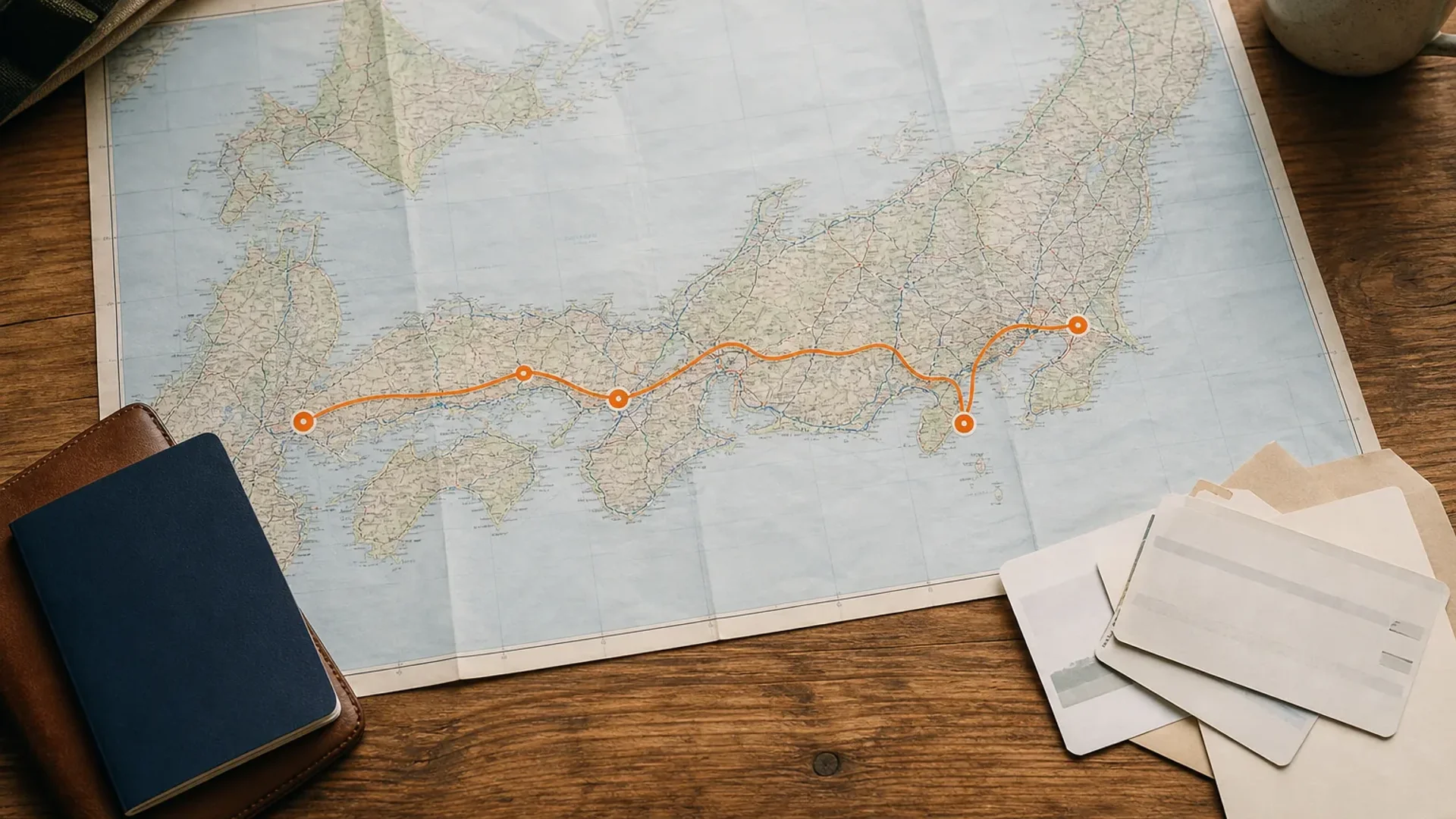
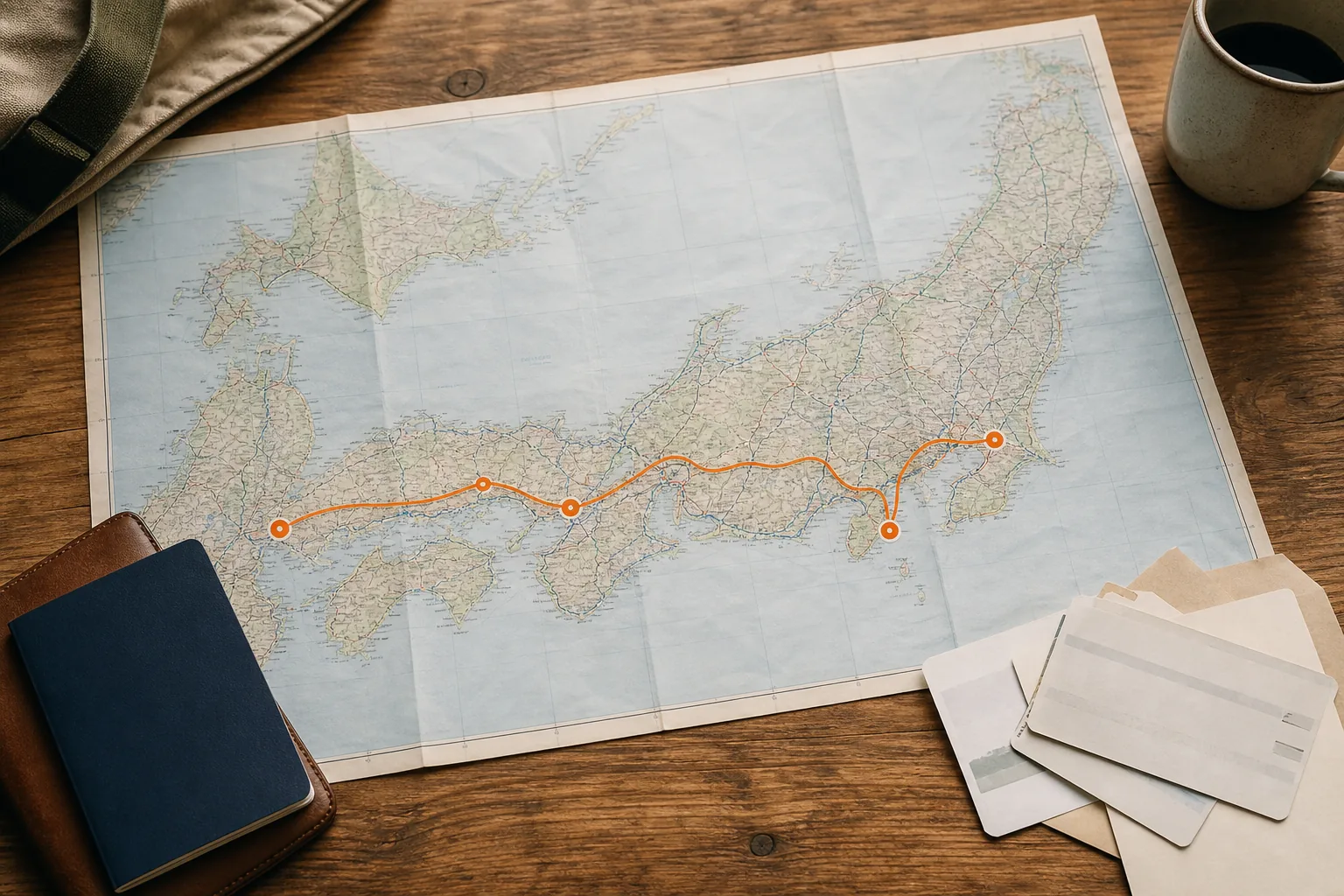
A two-week Japan trip gives you enough time for the classic route without turning every morning into a train sprint. The surprise is where the money goes: a Hakone ryokan night can cost more than the Tokyo to Kyoto Shinkansen. We recommend this westbound plan for first-time visitors who want Tokyo, Kyoto, Osaka, Hiroshima, and room to breathe.
A good Japan 2 week itinerary starts with the route, not the flight search. We suggest an open-jaw booking, meaning you fly into Tokyo and leave from Osaka or Hiroshima, if the fare makes sense.
That choice removes a long return to Tokyo on departure day. It also gives the trip a clean westbound rhythm: Tokyo first, then Hakone, Kyoto, Osaka, and Hiroshima.
| Days | Base | What the stop does | Travel pressure |
|---|---|---|---|
| 1 to 4 | Tokyo | Big-city sights with short local rides | Low, if you group neighborhoods |
| 5 | Hakone | Onsen stay and a change of pace | Medium, with luggage limits |
| 6 to 9 | Kyoto | Temples, old streets, and a Nara day trip | Low, if Kyoto is your base |
| 10 to 11 | Osaka | Food, late nights, and a city break | Low, with short regional rides |
| 12 to 13 | Hiroshima | Peace Memorial Park and Miyajima | Medium, because of the long rail leg |
| 14 | Departure city | Airport transfer with a safety buffer | Low if you avoid a same-day Tokyo return |
We’d skip adding Kanazawa, Takayama, or Okinawa to this first trip unless you remove another base. Every new stop costs you check-in time, station time, and one morning when you could have slept.
Before booking, check airport access and current travel rules in relevant travel information. Then compare fares with the route in mind. Dream Book Travel’s guide to when flights to Japan cost less can help you test dates without changing the route around a small fare difference.
Budget the expensive night early. One researched itinerary lists a mid-range Hakone ryokan at ¥15,000 to ¥25,000 per person with meals. The same research puts a Nara day at roughly ¥200 to ¥1,500. That gap is why we don’t spread your budget evenly across every day.
Key Takeaway: Book the open-jaw route first, then decide where to spend more on comfort. Hakone is the deliberate splurge, not an accidental budget shock.
Tokyo is the busiest part of this Japan 2 week itinerary, so plan by cluster. Don’t try to see Asakusa, Shibuya, Shinjuku, and Odaiba in one day. The map may look tidy. Your feet won’t agree.
After landing, get a rechargeable transit card if available at your arrival point. These cards work across much of Tokyo’s train and subway network, plus many shops and vending machines.
Keep the first afternoon close to your hotel. Asakusa works well for a calm start. Walk through Senso-ji and Nakamise-dori, then eat near your base. Go to bed early. Fighting jet lag on arrival day is a poor use of pride.
Start at Meiji Shrine before the crowds build. Walk toward Harajuku, then continue along Omotesando toward Shibuya. This keeps the day moving in one direction instead of sending you across the city between each sight.
Tokyo subway fares vary by distance and the lines you use. Four to six rides can add up over the day, depending on distance and the lines you use. An IC card is easier than buying a ticket for every short hop.
Use the afternoon for Shibuya. If you want an observation deck, reserve ahead where possible. At night, choose between Shinjuku’s Golden Gai and Omoide Yokocho. Tiny bars can have cover charges, so check before sitting down. A dinner with drinks in the latter is listed at about ¥2,000 to ¥3,000.
Return to Asakusa early if you arrived too late on Day 1. Senso-ji is far calmer in the morning. After the temple, walk beside the Sumida River, then take a short ride toward Akihabara.
Use the afternoon for either Akihabara or Ueno. Pick the Tokyo National Museum if you want context for the art and objects you’ll see elsewhere. Pick a livelier street market if you want a casual stop and meal.
Skip Tokyo Skytree if you already paid for another city view and the queue is long. The tower is easy to admire from ground level. Your time is worth more than collecting every lookout.
Kamakura is the safer choice when you want a coastal day with a lower weather risk. The JR ride from Tokyo has a variable fare. From Kamakura Station, local transport reaches Hase, where you can see the Great Buddha and a hillside temple.
Return by late afternoon so you still have a final Tokyo dinner. If rain threatens, stay in the city instead. TeamLab Borderless, Ueno’s museums, or a slower neighborhood day can save the plan from becoming a wet race between platforms.
Hakone gives this Japan 2 week itinerary a needed pause between Tokyo and Kyoto. Treat it as an overnight stay, not a rushed photo stop, if an onsen is part of the reason you’re going.
Send your main luggage ahead if your accommodation supports it, or pack a small overnight bag. A suitcase is awkward on mountain buses and crowded trains. We prefer to carry one change of clothes and leave the rest locked at the Tokyo hotel when possible.
From Tokyo, connect toward Odawara, then use the Romancecar or local transport for the Hakone area. The exact ticket choice depends on your starting station and plans. The area transport guidance can help compare current routes and ticket choices.
Build the day around the loop rather than trying to visit every museum. A common order runs through Hakone-Yumoto, Gora, the cable car, Owakudani, Lake Ashi, and a return bus. Weather can close or delay sections, so keep one flexible block instead of booking a tight chain of activities.
The cost choice is clear. The researched sample lists a Hakone ryokan at ¥15,000 to ¥25,000 per person with meals. A Tokyo to Kyoto Shinkansen fare is listed at ¥13,850. One night can cost more than the long train ride that follows it.
That price can still be worth it if you want a proper bath, dinner served at the inn, and a quiet morning. It isn’t worth forcing into a tight budget if you mainly want a Mount Fuji photo. In that case, make Hakone a day trip or choose a simpler room.
On Day 6, leave for Kyoto after breakfast. A fast rail service gets you west quickly, though exact timing and fare depend on the train and seat. Check in near Kyoto Station for easy rail access, or choose Gion or Higashiyama if evening walks matter more than station convenience.
Pro Tip: Keep the Hakone day loose. Clear morning weather gives you the strongest chance of seeing Mount Fuji, but no route can promise the view.
Kyoto is where a Japan 2 week itinerary can become tiring. Stay four nights if you can. Use each day for one part of the city, then place Nara between Kyoto and Osaka without changing hotels twice.
Start Fushimi Inari early. The shrine is open around the clock, and the first stretch of torii is far easier before the day crowds arrive. You don’t need to finish the full mountain walk if your legs are saving energy for later.
Use another day for Kiyomizu-dera, Higashiyama, and Gion. Walk in one direction, then stop when the streets get busy. Kyoto rewards an early start more than a longer checklist.
Give Arashiyama its own morning. Arrive early at the bamboo grove, then decide if the Monkey Park climb fits your energy. We suggest skipping the climb if you dislike steep paths or have already had a full temple day. The view isn’t worth turning the afternoon into a slog.
Keep one slow Kyoto day. Walk part of the Philosopher’s Path, sit beside the Kamo River, or browse Nishiki Market at an unhurried pace. This is the day that keeps the trip from feeling like a string of queues.
Nara works well as a half or full day from Kyoto. The researched cost range is only about ¥200 to ¥1,500 for local transport, temple fees, deer crackers, and lunch, though your rail fare and choices can change the total.
Leave Kyoto after the morning rush if you want a slower start. See the deer area and the Great Buddha, then return before dinner. Don’t feed every deer just because you can. The crackers are a small cost, but the animals can become pushy when they expect more.
Move to Osaka after Nara or on the next morning. The JR ride between Kyoto and Osaka is short, and the two cities work well as neighboring bases. Stay near Namba or Shinsaibashi if food and night walks matter most.
Use one evening for Dotonbori, then spend the next day at your own pace. Osaka Castle, Kuromon Market, and a Universal Studios day all require different energy levels. Choose one main plan. Trying to fit all three creates a day of transit and lines.
Passes need a quick calculation. A regional rail pass may help when you have several eligible rail trips, but it won’t cover every private railway, subway, or bus. Individual fares often win when your days stay within one city. List every planned ride before buying a pass.
Key Takeaway: Use Kyoto as your base for Nara, then move once to Osaka. Short travel days protect your time better than a pass bought on habit.
Hiroshima gives the final part of this Japan 2 week itinerary more weight. Spend one day at Peace Memorial Park and the museum, then give Miyajima a separate morning.
Take the Shinkansen from Shin-Osaka to Hiroshima. Fares vary by train and booking details, with a travel time near 70 minutes on a suitable service. Check the current timetable before you leave because train types and seat rules differ.
Go to Peace Memorial Park early, but don’t rush the museum. The subject is difficult. Allow a real half-day and leave the rest of the day open.
Use the evening for Hiroshima-style okonomiyaki or a quiet walk. Don’t stack a packed food tour or a late night on top of the museum. A slower evening is the right call here.
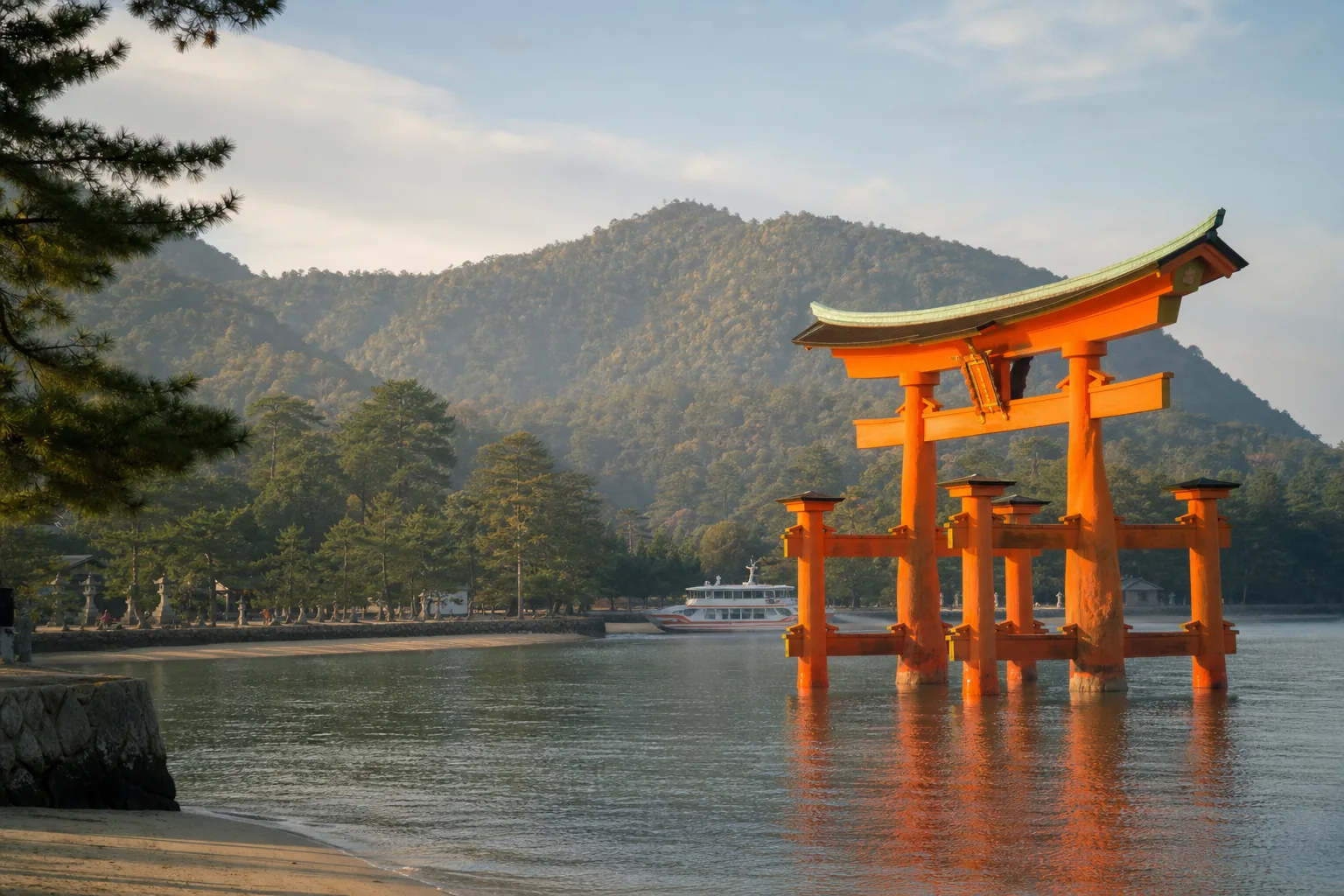
Miyajima is a straightforward trip from Hiroshima in the researched route. Tide changes affect how the gate appears, so check the local tide timetable instead of expecting one fixed view.
Arrive early. Walk near the shrine, watch the deer from a respectful distance, and decide if Mount Misen fits your legs and weather. The ropeway can add time, so don’t force it after a long week.
Miyajima is worth the detour for most first-time visitors, but it isn’t a compulsory test. If rain is heavy or you need rest, stay in Hiroshima. You won’t improve the trip by proving you can follow every famous stop.
If you fly from an airport near Osaka, return to Osaka the night before or leave Hiroshima early enough to keep a large buffer. The route back through Shin-Osaka can work, but it is a poor plan for a flight that leaves soon after your train arrives.
Flying home from Hiroshima may reduce backtracking if the fare and schedule work. We don’t promise it will be cheaper. Compare the complete journey, including airport access and the risk of a missed connection.
The 14-day national JR Pass may be expensive, but that doesn’t make it an automatic purchase. The straight Tokyo, Kyoto, Osaka, and Hiroshima route may cost less with individual tickets, especially on an open-jaw trip. Add every long rail leg before deciding.
Dream Book Travel’s route advice follows the same rule we use for every trip: protect the final day. If one more city makes your departure stressful, remove that city.
Two weeks is enough for a first visit focused on Tokyo, Hakone, Kyoto, Osaka, and Hiroshima. You won’t see the whole country, but you can give each main stop useful time. Keep the route westbound and skip extra regions unless you’re willing to remove a city or accept more travel days.
The JR Pass may not be worth it for a straight open-jaw route. Compare the current pass price with each Shinkansen fare, airport ride, and day trip. Individual tickets can cost less when you fly home from Osaka. Extra trips to places such as Kanazawa may change the calculation.
Stay overnight in Hakone if an onsen and ryokan meal are central to your trip. A researched mid-range ryokan costs about ¥15,000 to ¥25,000 per person with meals, so it needs its own budget line. Choose a day trip instead if you mainly want scenery or a Mount Fuji photo.
Four nights gives Kyoto enough room for major areas, Nara, and one slower day. Three nights can work, but you’ll need tighter starts and fewer choices. We would cut a rushed day trip before cutting the slow Kyoto day. That pause is what keeps the middle of the trip enjoyable.
Visit Hiroshima if this is your first Japan trip and you can handle the long rail leg. Peace Memorial Park and Miyajima add a different kind of experience. Choose extra Osaka time instead if your trip centers on food, nightlife, or Universal Studios, or if the return journey would put your flight at risk.
We recommend the Tokyo to Hiroshima route for travelers who want a clear first trip with enough breathing room. Book an open-jaw flight, reserve Hakone with its true cost in mind, and leave Hiroshima before departure day becomes a gamble. Then save the final route in Dream Book Travel and check each rail leg before you buy tickets.
Use this Edinburgh itinerary 3 days plan for honest sightseeing, transit tips, free stops, museums, budget notes, and what to skip.
Find the best areas to stay in London for tourists, with honest advice for first-time visitors, culture lovers, foodies, and theater fans.
Find the best Greek islands for families by travel style, beach access, activities, and travel-day tradeoffs. Honest picks and planning notes.