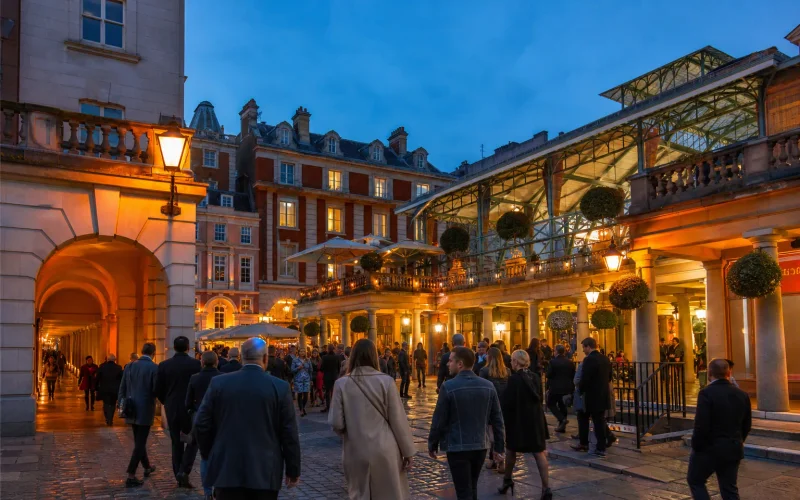
Edinburgh Itinerary 3 Days: A Practical Plan
Use this Edinburgh itinerary 3 days plan for honest sightseeing, transit tips, free stops, museums, budget notes, and what to skip.
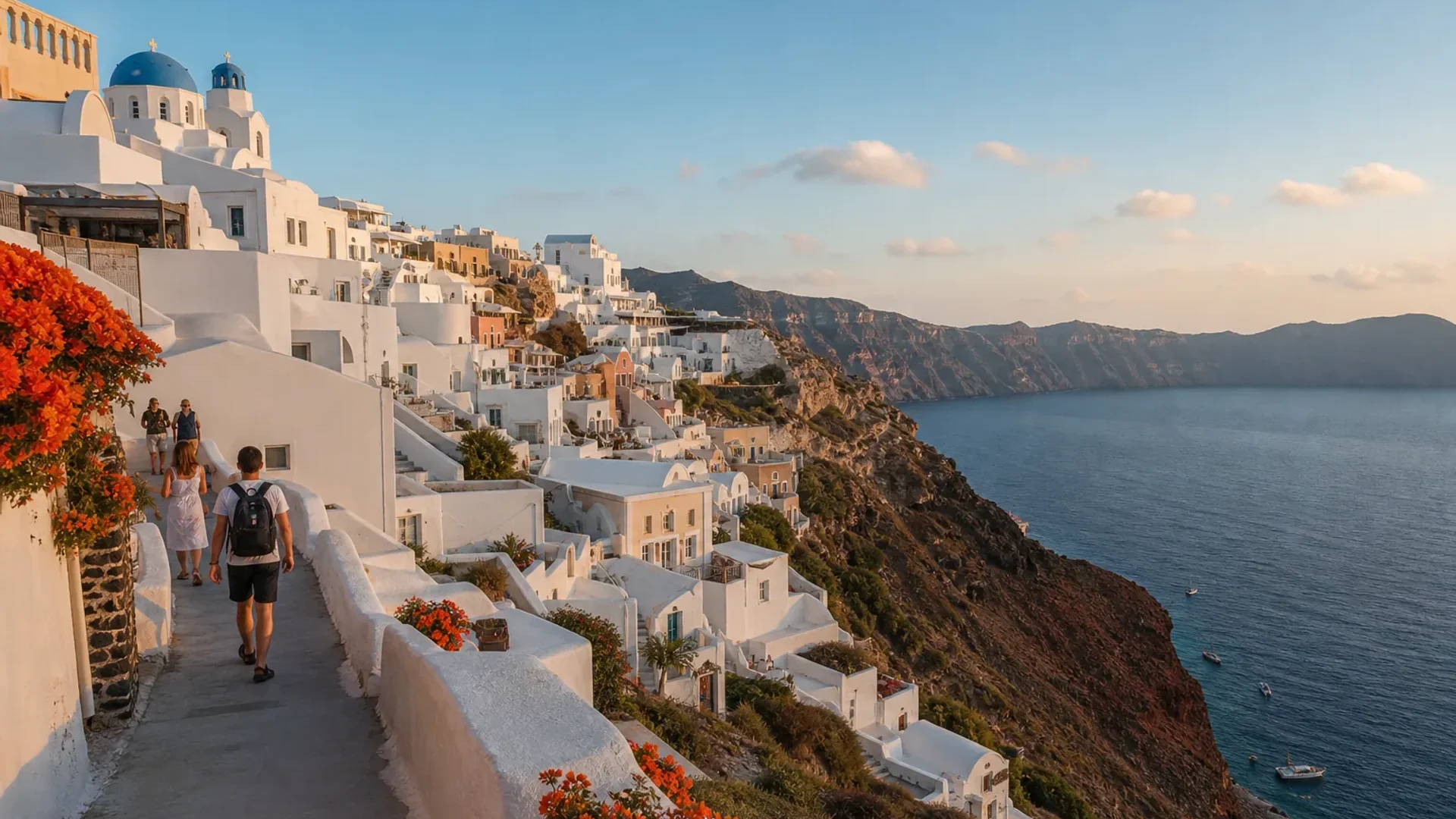
Santorini is worth it for the right traveler, but the postcard leaves out the crowds and the bill. A daily average near €43 can mislead you because lodging alone often costs €70 to €130 per night. We use the steps below to test the island against your travel style, budget, dates, and patience.
If you’re asking is Santorini worth it, start with the kind of trip you want. The island suits travelers who care about caldera views, volcanic scenery, wine, and a famous sunset.
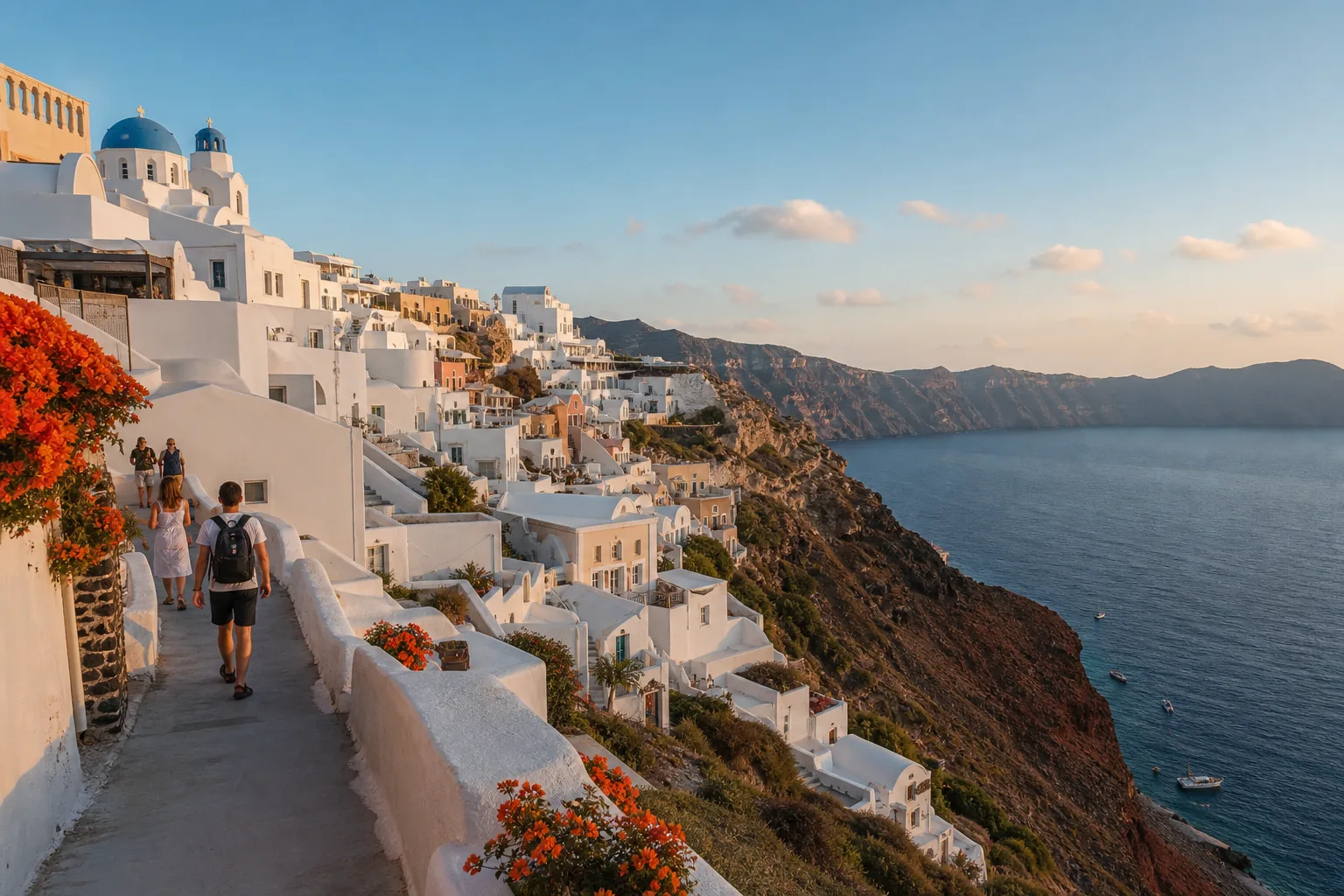
It fits less well if you want low prices, quiet streets, broad sandy beaches, or a strong sense of daily local life. Santorini’s main villages can feel built around visitors. Oia and Fira draw the biggest crowds, while places such as Pyrgos, Emporio, and Megalochori give you more room to breathe.
The caldera is the island’s genuine point of difference. Santorini’s volcanic eruption shaped the cliffs and villages that define its look today, as Wikipedia’s overview of Santorini explains. That setting is hard to copy, even if white buildings and blue domes appear elsewhere in the Cyclades.
We’d put Santorini on your route if you can accept a polished, heavily visited destination. The views are real. So is the tourist pressure.
Ask yourself three blunt questions before you book:
If your answer is yes, Santorini has enough substance to earn two or three nights. If your dream is a calm beach stay, we’d spend that time elsewhere. Santorini’s red and black beaches are unusual, but their volcanic stones aren’t the softest place for long beach days.
Dream Book Travel takes this same approach across our destination guides. We look at what earns your time, then say what we’d skip. That matters here because the guides won’t always tell you that the headline experience may be the most stressful part.
Key Takeaway: Santorini is a strong match for scenery and atmosphere, not for a cheap or quiet beach holiday.
By now you should have a clear travel-style verdict. Next, put a full price on the trip before the island’s photos make the decision for you.
To decide if Santorini is worth it, price the room first. Food and local transport can stay modest, but accommodation can change the whole trip.
Research puts average accommodation around €70 to €130 per night, with June through August as the peak period. That range is broad because location matters. A simple room away from the caldera won’t feel like a cliffside stay with a view. Don’t compare those two prices as if they’re the same product.
Food can be manageable at about €15 per day in budget-focused estimates. But location changes the bill. A basic taverna meal near Oia may cost two to three times more than a similar meal in Kamari. Ask about seafood prices by weight before ordering. Check the full cost of any set menu or tour meal.
Local buses are among the easier ways to control spending. Fares vary by route and exchange rate. Buses generally connect through Fira, so a trip across the island may take more planning than the map suggests.
The reported average daily figure of €43.33 looks friendly at first glance. It blends a €15 food estimate with lodging that can reach €130 per night. That is why we treat the average as a rough research signal, not a trip budget.
| Cost area | Research figure | What to check |
|---|---|---|
| Accommodation | €70 to €130 per night | Caldera view, village, and peak dates |
| Food | About €15 per day in a budget estimate | Oia premiums and seafood pricing |
| Bus travel | Varies by route | Route, cash payment, and crowd delays |
| Overall average | €43.33 per day | It may hide the room cost |
Build your own estimate with one room rate, one meal pattern, one transport plan, and a buffer for high-demand days. Add any boat trip or wine tasting separately. Don’t let a low food estimate make a high room rate look harmless.
Before paying a deposit, compare the total against another Greek island or a city break. If the room consumes most of your budget, the answer may be no. Dream Book Travel’s planning style is simple: set an anchor price first, then decide if the view earns the gap.
Pro Tip: Price two versions of the trip, one with a caldera-view room and one inland. The difference tells you what you’re really paying for.
By now you should know the number that could make or break your choice. Now use dates to reduce the pressure.
Dates shape whether Santorini feels special or exhausting. All the research factors point to June through August as peak season, with high crowd levels across the island.
June gives you warm weather before the full summer crush. July brings stronger heat, more cruise traffic, and higher demand. August is the busiest summer choice, with warm nights and busy beaches. Typical summer conditions stay around 28°C to 32°C, so heat is part of the deal whichever summer month you choose.
For most travelers, we prefer the shoulder periods around May to June or September to October. Some seasonal services may run less often outside summer, so check ferry schedules before building a tight island-hopping plan. You may gain space, but you could lose a few open restaurants or tour choices.
Sunset is the main trap. Oia’s viewpoint is the island’s signature scene, yet it can become so packed that you spend more time protecting your spot than watching the sky. The guides won’t always make that trade-off plain.
Plan around the crowd instead. Visit Oia early, then leave before the evening bottleneck. Watch sunset from a quieter west-facing place, or choose Imerovigli or another quieter west-facing area if conditions allow. The view doesn’t stop being a sunset because it happens outside Oia.
We also recommend checking your wider flight plan before picking dates. Our guide to the best time to fly for lower crowds and prices covers the same planning habit, even though the destination differs.
If you must travel in July or August, schedule your main walk early. Leave the hottest hours for lunch or a shaded room. Book any view-focused meal well ahead, then keep one flexible day in case wind affects ferries.
By now you should have a travel window that matches your tolerance for heat, cost, and crowds. Next, make the island’s roads and ports work for you.
Transport can decide whether Santorini is worth it because the island’s roads are narrow, steep, and busy in peak season. A bad rental choice can turn a short trip into a string of stressful travel days.
Start with the simplest plan. Use buses for major routes when the timetable fits. They can be crowded and delayed near Fira, sunset periods, and ferry arrivals, but they remove the need to learn unfamiliar roads.
Taxis are limited, so confirm the fare before you leave. A hotel-arranged transfer can make sense for a late arrival or a heavy bag. At the ferry port, traffic can build quickly when ferries arrive. Know where your driver or bus will meet you before you step off the boat.
We’d be cautious with scooters and ATVs. Tourist accidents are a known concern, and the island adds loose gravel, blind turns, wind, heat, and mixed traffic. If you aren’t an experienced rider, skip the scooter. No sunset photo is worth a broken wrist or a wrecked travel budget.
If you rent a car, choose a small vehicle and check the insurance terms. Take photos of existing damage before leaving the lot. Don’t drive after drinking, and don’t treat a cliff road like a scenic race track.

Keep your bag closed at busy bus stops and sunset viewpoints. Crowds increase the chance of a dropped phone, a lost wallet, or a fall near an exposed edge. Wear shoes with grip on uneven paths, especially after dark.
Travel insurance won’t fix poor road choices, but it can help with covered medical costs or disruption. We explain the limits and the cases where it may not earn its cost in our honest travel insurance guide. Read the policy before you need it.
For most visitors, the least risky setup is a central base near a useful bus connection, plus one pre-booked transfer for arrival. Add a rental only if you understand the roads and want to reach villages outside the main routes.
Key Takeaway: Buses and planned transfers usually make more sense than a scooter for visitors who don’t ride often.
By now you should have a transport plan with a backup. Now test the famous experiences one by one.
The final test is personal. Santorini is worth it when its signature experiences match what you came to see, not when you feel forced to complete a checklist.
Go if the famous white buildings and cliff view are a major reason for your trip. Visit in the morning, take the walk, then leave before the sunset rush. If a packed viewpoint sounds miserable, skip the castle at sunset without guilt.
The sunset is worth seeing. Oia is optional. Try Imerovigli, a west-facing village spot, or a reserved table away from the main bottleneck. You may lose the exact postcard angle, but you can gain enough space to enjoy the moment.
Wine tasting gives you a different reason to stay. Santorini’s dry volcanic setting supports a wine culture that feels less tied to one photo stop. Villages such as Pyrgos and Emporio also give the day more texture than moving between Oia shops.
Visit the beaches for their geology rather than soft sand. Red and black shores are distinctive, but rocks and strong sun can limit a long swim day. A covered archaeological site can be a smarter plan during the hottest hours.
Keep the visit short if Santorini is one stop in a wider Greek trip. Two or three nights can cover the main view, one inland outing, and a slower meal. Staying longer makes sense when you want wine, village walks, or a hotel day.
Dream Book Travel’s verdict is plain: don’t skip Santorini only because it is popular. Skip it when its price and crowd profile clash with your trip. Popularity doesn’t make a place worthless. It does mean you need to plan around the obvious pressure points.
Pro Tip: Write down your three must-have experiences before booking. If all three happen in Oia at sunset, revise the plan before you pay.
Yes, Santorini can be worth it on a first Greece trip if you want volcanic scenery and caldera views. It isn’t the only island with white villages or blue domes, though. Give it two or three nights, then compare the cost and crowd level with other islands before locking in a longer stay.
Yes, Santorini is expensive mainly because rooms can cost €70 to €130 per night, with higher rates for caldera views. Food and buses can stay modest, but they don’t erase the lodging premium. Price the room first, then add meals, transfers, activities, and a buffer for peak demand.
The shoulder periods around May to June and September to October are usually easier than July and August. Services may be less frequent outside peak summer, so check ferry and restaurant schedules. If you travel in summer, visit Oia early and avoid making its sunset crowd the center of your day.
Santorini is generally safe for tourists, but crowds, cliffs, heat, traffic, and scooter accidents deserve attention. Keep valuables secure at packed viewpoints. Confirm transport prices before departure. Avoid riding after drinking, and use care near exposed paths or rough water.
Two or three nights are enough for most first visits. That gives you time for a caldera walk, one village or wine outing, and a sunset plan that doesn’t depend on Oia. Add days only if you want a slower hotel stay, more beach time, or a detailed island tour.
Santorini is worth it for travelers who want dramatic scenery and can accept high prices plus peak-season crowds. We recommend booking two or three nights, choosing dates outside the busiest summer stretch, and pricing a non-caldera room before spending more for the view. Start with your full trip budget today. If the numbers still feel fair, book it with clear eyes.
Use this Edinburgh itinerary 3 days plan for honest sightseeing, transit tips, free stops, museums, budget notes, and what to skip.
Find the best areas to stay in London for tourists, with honest advice for first-time visitors, culture lovers, foodies, and theater fans.
Find the best Greek islands for families by travel style, beach access, activities, and travel-day tradeoffs. Honest picks and planning notes.