Edinburgh Itinerary 3 Days: A Practical Plan
Use this Edinburgh itinerary 3 days plan for honest sightseeing, transit tips, free stops, museums, budget notes, and what to skip.
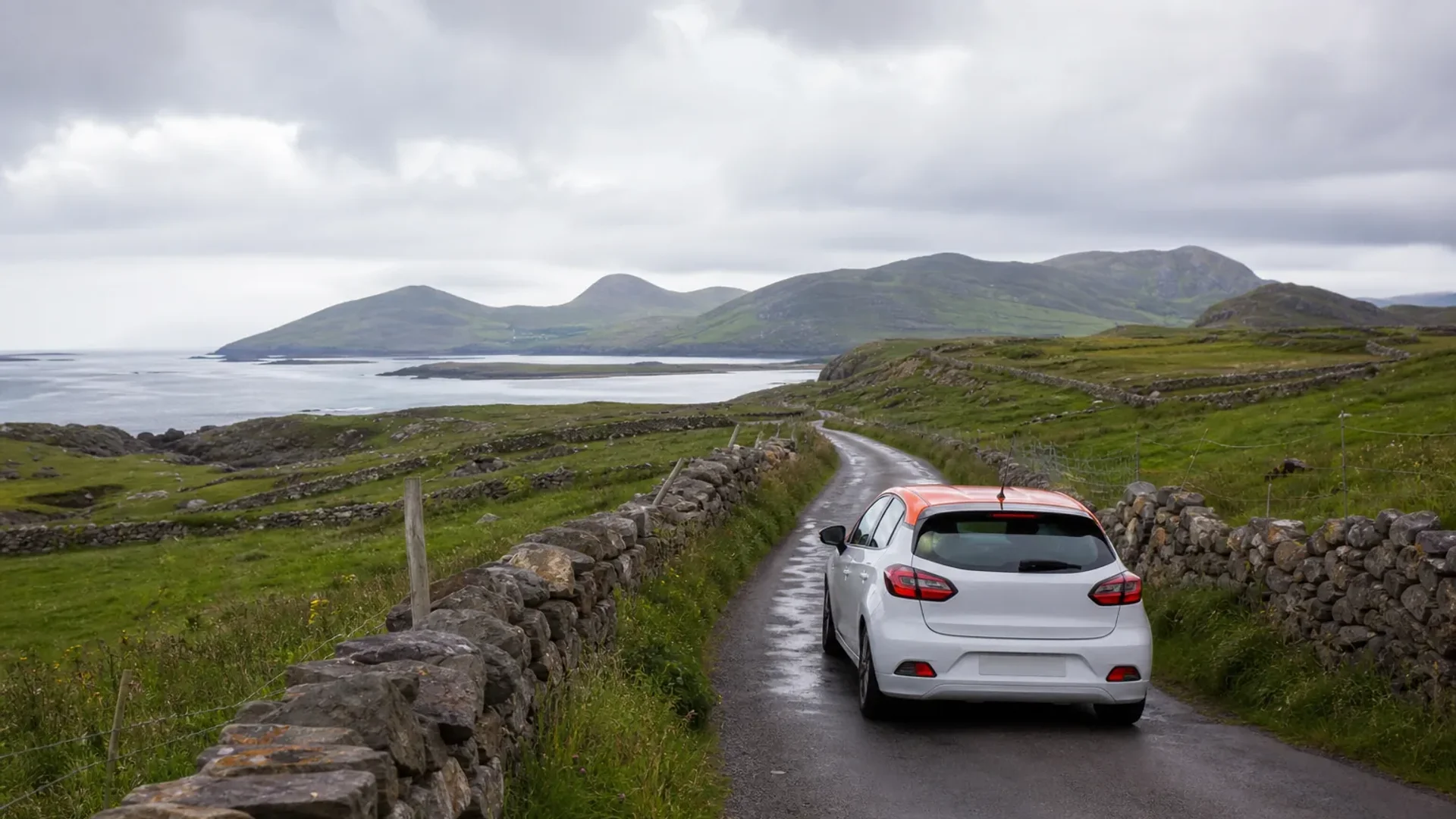
A week in Ireland is enough for a strong first taste, but it isn’t enough for the whole island. We recommend a south and west loop that keeps Dublin, Galway, Dingle, and Killarney in play without turning every day into a race.
This Ireland itinerary 7 days long assumes you’ll drive after your Dublin stay. It also tells you what to cut when the weather turns or a travel day takes longer than planned. Dream Book Travel writes these plans for people who want a useful route, not a fantasy map.
Your route should limit hotel changes before it adds more sights. For a first trip, we suggest two nights in Dublin, one night in Galway, two nights in Dingle, and one night in Killarney, with the final night near Dublin if your flight leaves early.
That plan still moves fast. A seven-night route discussed by travelers uses one night in Dublin, two in Killarney, two in Dingle, and two in Galway. The trade-off is clear: you see more places, but you spend more time packing and checking in.
We’d choose the route below for seven days:
| Day | Sleep | Main plan | Why it works |
|---|---|---|---|
| 1 | Dublin | Arrive, settle in, central Dublin | Keeps the first day light after a long flight |
| 2 | Dublin | Dublin sights and neighborhoods | Gives you a full city day without a car |
| 3 | Galway | Drive west, with a chosen stop | Moves you toward the coast |
| 4 | Dingle | Cliffs of Moher area, then Dingle | Combines one major sight with a smaller base |
| 5 | Dingle | Slea Head Drive | Leaves time for weather and short walks |
| 6 | Killarney | Drive to Killarney and explore the park | A short final regional move |
| 7 | Dublin area | Return to Dublin for your flight | Reduces the risk of missing a morning departure |
There are two common shapes for a week in Ireland. The southern loop runs through Wicklow, Killarney, Dingle, and Galway. The northern loop uses Belfast, Derry, Westport, and Galway. We prefer the southern loop for a first visit when coastal drives and small towns matter most.
Use a destination and route guide to check seasonal access before you lock in a day. Then remove at least one stop from your draft. That spare space is what keeps rain, queues, and missed turns from wrecking the trip.
For comparison, our Iceland Ring Road itinerary planning guide follows the same rule: a route works better when the drive time leaves room to stop. Ireland needs that buffer even more on narrow rural roads.
Key Takeaway: Pick four main bases at most, then protect one flexible block each day.
Transport determines whether this Ireland itinerary 7 days long feels calm or cramped. We recommend staying car-free in Dublin, then collecting a rental car as you leave the city.
Dublin is easy to explore on foot and by public transport. A car adds cost while it sits outside your accommodation. It also adds stress on city streets, where a wrong turn can eat half an afternoon.
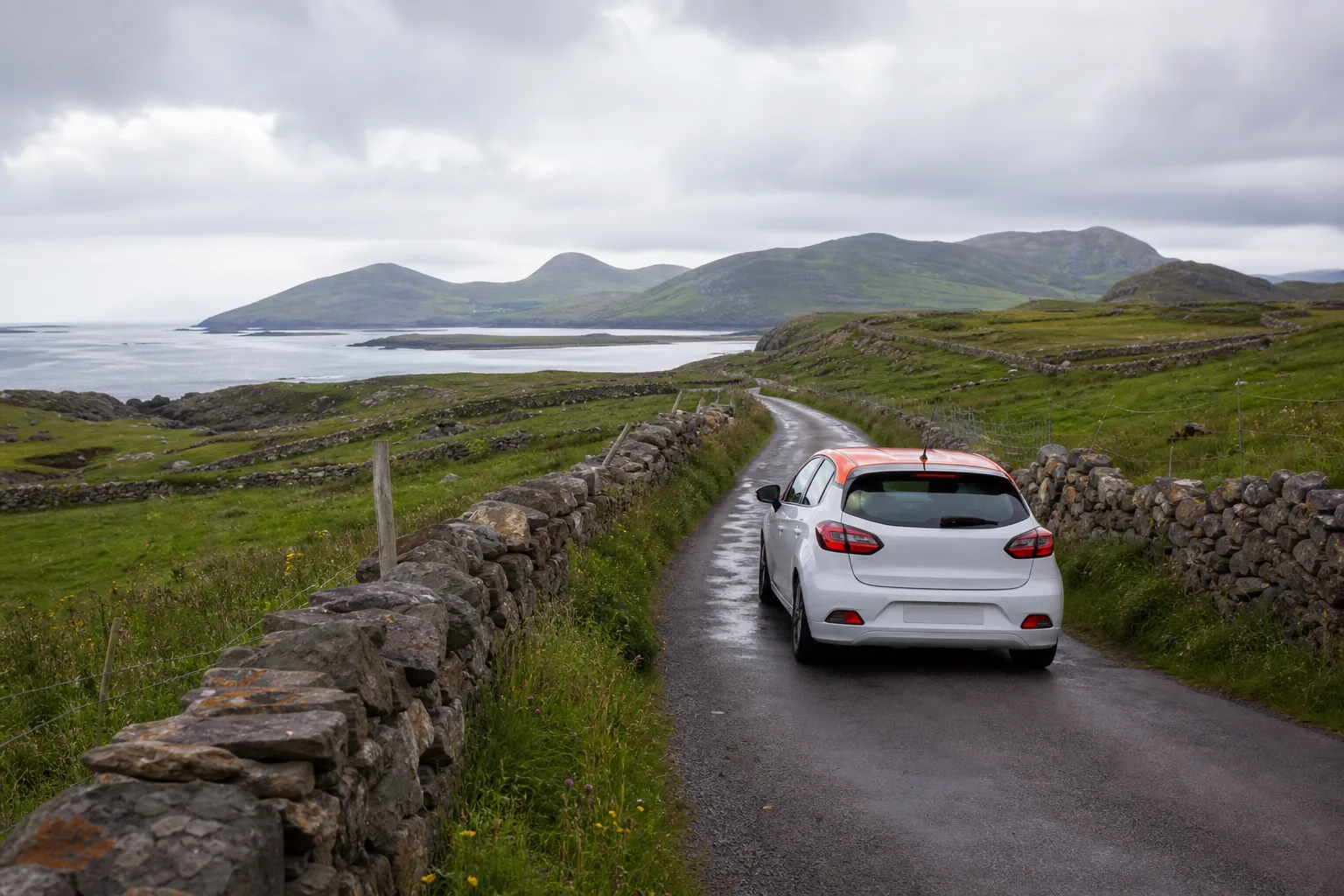
Book the car for the western section. Choose an automatic if you don’t drive manual cars with confidence. You will drive on the left, and rural roads can be narrow, winding, and short on places to pull over.
Before collecting the car, check the fuel policy and insurance terms. Take photos of every side of the vehicle. Confirm how the company handles damage claims. Save an offline map before leaving the airport area.
Our base plan looks like this:
Don’t add Cork, Belfast, or the Aran Islands unless you remove another base. Each extra name on the map creates a travel day in disguise.
One sample plan discussed by travelers uses a train from Dublin to Cork, then a car route through Blarney, Killarney, Dingle, Doolin, Galway, and Dublin. It can work with more than seven days, but it has too many handoffs for this shorter trip.
We’d rather spend two nights in Dingle than rush through Cork, Blarney, and the peninsula in one sweep. If you want an island-heavy trip, our Greek islands itinerary planning guide explains the same planning issue with ferries: every transfer needs time beyond the timetable.
Budget figures deserve caution.
Set your own budget by checking current rates for your travel dates. Prices change with school breaks, weekends, car supply, and room type. We won’t invent a daily total just to make a neat table.
Dublin should open your Ireland itinerary 7 days plan, not act as a rushed airport stop. Spend the first day close to the center, then use the second day for one or two paid sights and time outdoors.
After arrival, leave space for baggage delays and tired legs. Check in if possible, or leave your bags, then walk through the central streets at an easy pace.
Temple Bar is worth seeing once, but we wouldn’t build a whole evening around it. Prices can be higher in the busiest pub lanes, and the crowds may not match the image you had in mind. Walk through, then choose a quieter area for food or a drink.
Keep your first day simple:
Don’t collect the rental car yet. The first day is for getting your bearings, not testing left-side traffic after an overnight flight.
Start with one major indoor sight. Then walk through the city or sit in a park. Add a second ticketed attraction only if the first visit ends early.
A major visitor attraction and the historic college library are common choices, but you don’t need both. Pick the one that fits your interests. A history-focused traveler may prefer the library, while someone interested in brewing may get more from a major visitor attraction.
We also like leaving room for a neighborhood walk. Dublin’s appeal is easy to miss when every hour has a booking attached. Give yourself one open stretch for a café, a bookshop, or a pub with live music.
Dublin’s city sights connect with culture, history, and local life. Check current listings to confirm opening details, since hours and access can change.
By the end of day two, you should have a route, a weather check, and a clear plan for collecting the car. You shouldn’t have a full schedule for every hour.
Pro Tip: Put your longest drive after a proper night’s sleep. A short list of stops feels better than a packed route viewed through a windscreen.
This is the section that gives the route its character. The west coast brings cliffs, sea roads, small towns, and weather that can change before lunch.
Leave Dublin after breakfast and choose one main stop. Wicklow and the Powerscourt area make sense if you want gardens and mountain scenery. A direct drive makes more sense if you arrive late or feel tired.
Don’t try to fit Wicklow, Kilkenny, the Cliffs of Moher, and Galway into one day. That plan looks tidy in a route app. On the ground, it turns into parking lots and short photo stops.
Reach Galway with enough daylight for a walk. The city is compact, so you can see the canals, move toward the water, and explore the center without a long transfer.
Leave Galway early and choose between the Cliffs of Moher route or a slower drive through smaller coastal stops. You can include the Cliffs of Moher, but don’t promise yourself every viewpoint.
One suggested west coast plan uses Doolin, the cliffs, and Dunguaire before continuing toward Galway. Another route skips the cliffs to protect more time for coastal roads. We think both choices are fair.
If the cliffs are a personal priority, go early and check the latest access details before you leave. If the forecast is poor, use that time for the drive and keep the sight for another trip. The guides won’t always tell you that a famous stop can feel flat in heavy rain.
After the coast, continue toward Dingle. A car ferry can help shape the route, but wait times vary by season. Check the sailing timetable before you set off, then leave a buffer.
We use the same rule in our Amalfi Coast itinerary without the rush: when the scenery is the reason for the trip, the road itself needs time. A short stop beside the sea can be worth more than another landmark.
Use day five for Slea Head Drive on the Dingle Peninsula. Start with fuel, water, and offline maps. The road is narrow in places, so allow time for slow traffic and safe passing.
Build the day around a few chosen stops. Ventry and other coastal viewpoints offer coastal views. You can also stop for a short walk when the weather allows.
Keep the evening in Dingle. Its small size is part of the point. Walk the streets, eat without crossing the county, and leave room for live music if you still have energy.
Skip the urge to add the entire Wild Atlantic Way. The route stretches for a long distance, with many designated stops. A week can show you one section. It cannot cover the whole coast well.
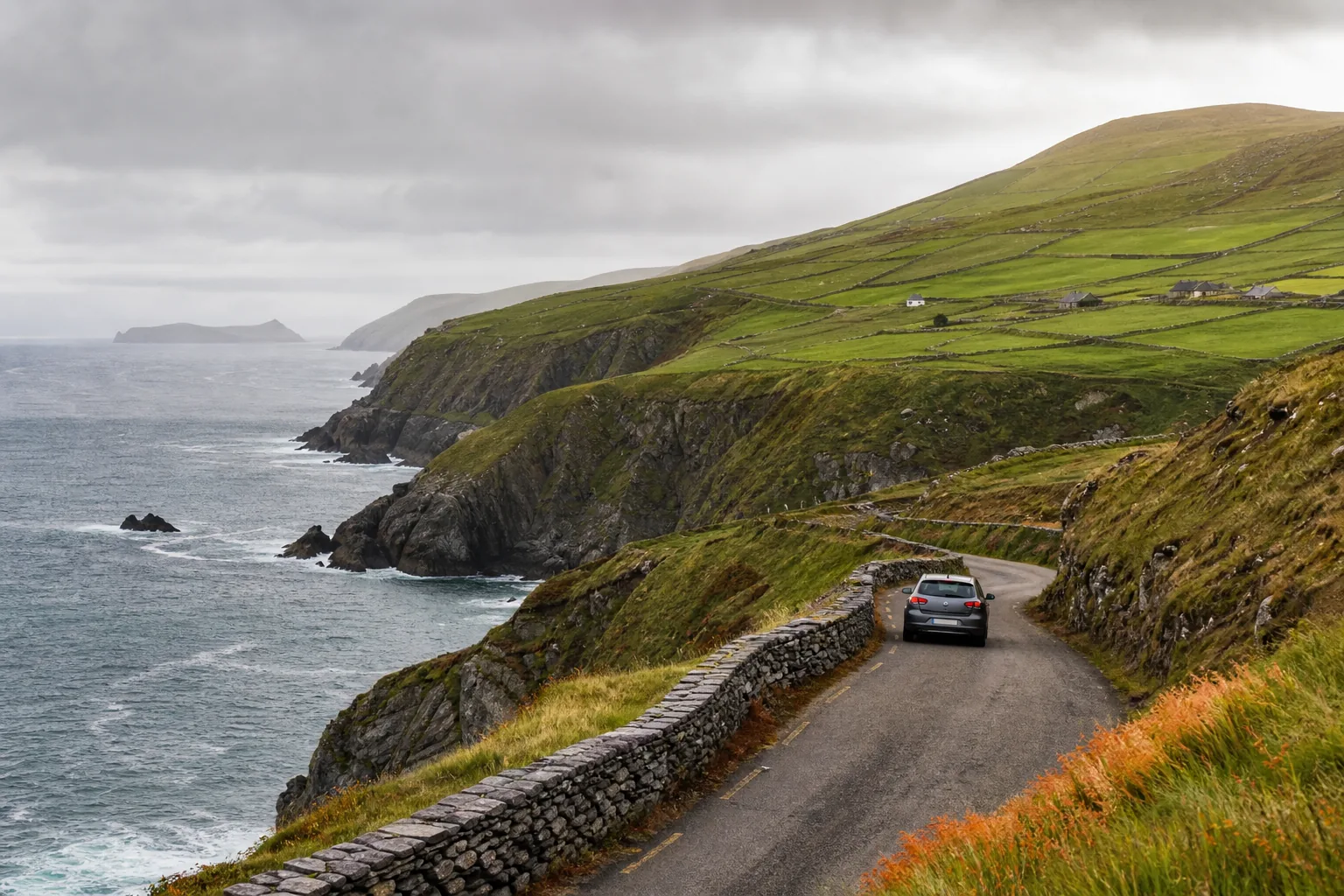
Key Takeaway: Keep Dingle for two nights. The peninsula deserves a full day, and the weather may force you to change the order.
The last stage of this Ireland itinerary 7 days route uses Killarney as a short final base. It gives you access to the national park and lets you sample the Ring of Kerry without adding another hotel move.
Leave Dingle after breakfast and head toward Killarney. Use the rest of the day for Killarney National Park. You can focus on a walk, a lake view, or one historic site rather than trying to complete every nearby route.
The Ring of Kerry needs a full day if you want stops. The loop is about 180 kilometers and around 2.5 hours of nonstop driving. With food, photos, and detours, the same loop can take seven to eight hours.
That timing is why we don’t attach the full Ring of Kerry to a Dingle transfer day. It would leave no room for delays or a proper walk.
Drive back toward Dublin early. If your flight leaves the next morning, sleep near the airport or in a location that makes the final transfer easy. If your flight leaves late, you may have time for one short stop, but don’t gamble with the airport.
Traffic near Dublin can change the feel of an otherwise simple drive. Add extra time for returning the car, finding fuel, and completing the rental inspection.
We’d skip the Gap of Dunloe on this final day unless you’ve already seen the main park sights and have a late departure. It is a poor fit for a rushed airport morning.
For the Ring of Kerry, a clockwise route can help you avoid traveling behind tour buses on narrow sections. Still, road conditions matter more than a fixed direction. Download maps before leaving town, since phone service can weaken on some detours.
Dream Book Travel keeps its Ireland planning advice editorial first. That means we would rather tell you to drop a famous stop than pretend the schedule has room for everything.
Seven days is enough for Dublin plus part of the south and west, but not the whole island. We suggest Dublin, Galway, Dingle, and Killarney for a first trip. You will still have travel days, so skip Belfast or the far north unless you replace the southern loop.
A southern loop is the most balanced route for seven days. Start in Dublin, then travel to Galway, Dingle, and Killarney before returning east. This gives you city time, Atlantic scenery, and two strong regional bases without adding a new hotel every night.
You can visit Dublin without a car, but a rental car makes Dingle and the scenic parts of Kerry much easier. Public transport connects major towns, yet many coastal viewpoints and rural roads sit away from bus routes. Collect the car after Dublin to avoid city driving.
Visit the Cliffs of Moher if they are high on your list, but don’t force them into bad weather or a packed transfer day. Go early when possible, then continue toward Dingle or Galway. If conditions look poor, spend more time on the road or save the cliffs for another trip.
A reliable total depends on your dates, room type, car, and flight. Daily costs vary by destination and travel style, so check current rates before booking.
We’d keep two Dublin nights, two nights in Dingle, and a full day on Slea Head. We’d skip the temptation to add Belfast, Cork, and every famous cliff in the same week. Start by choosing your four bases, then book rooms with cancellation terms that give you room to adjust. Dream Book Travel can help you plan the next version with the same rule: spend less time checking off Ireland and more time actually being there.
Use this Edinburgh itinerary 3 days plan for honest sightseeing, transit tips, free stops, museums, budget notes, and what to skip.
Find the best areas to stay in London for tourists, with honest advice for first-time visitors, culture lovers, foodies, and theater fans.
Find the best Greek islands for families by travel style, beach access, activities, and travel-day tradeoffs. Honest picks and planning notes.