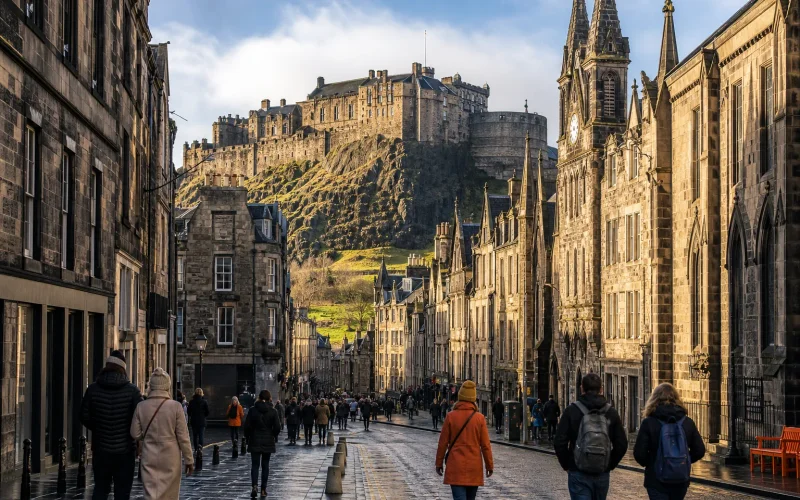
Edinburgh Itinerary 3 Days: A Practical Plan
Use this Edinburgh itinerary 3 days plan for honest sightseeing, transit tips, free stops, museums, budget notes, and what to skip.
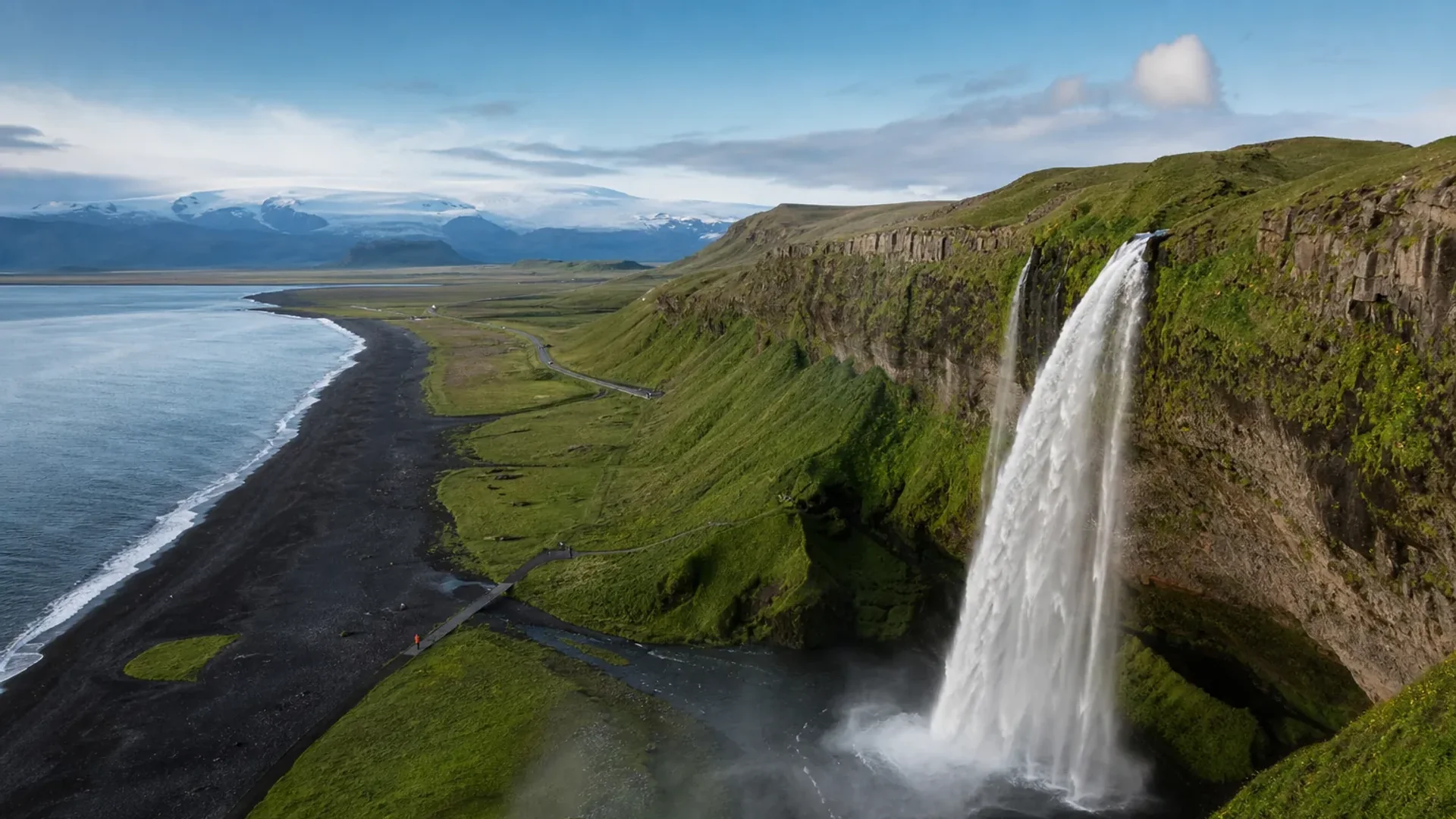
Most people plan the Ring Road like a race. That is the wrong instinct. A realistic Iceland ring road itinerary covers about 200 to 300 kilometers on many days, with weather buffers built in. We recommend seven days only for a fast summer loop, 10 days for a balanced first trip, and 14 days if you want side trips and spare time.
Dream Book Travel’s rule is simple: protect time at the stops you came to see. The guides won’t always tell you what to skip, so we will.
We read the five highest-ranking Iceland ring road itineraries, checking each for daily kilometer counts, driving-hour estimates, and a stated list of stops to cut for shorter trips. Three of the five list kilometers per day, four give driving hours, but only one names specific stops to remove for a 7-day or 14-day traveler. The rest offer additive options for extra days rather than a way to trim for less time. Travelers comparing 7, 10, and 14 days get distance and time figures from most guides, but rarely get told what to leave out.
Your trip length decides whether this Iceland ring road itinerary feels like a holiday or a mileage test. Route 1 circles Iceland, before you add detours to waterfalls, beaches, fjords, or towns.
The median day covered about 230 kilometers and four hours of driving. The average driving time was much higher because a few plans included very long transfer days. That gap matters. Most travelers don’t need to drive eight hours daily.
| Trip length | Best use of the time | What to skip | Driving feel |
|---|---|---|---|
| 7 days | Fast summer loop with the main South Coast and North stops | Full East Fjords detours, Westfjords, most side roads | Often 4 to 6 hours daily |
| 10 days | Full loop with shorter drives and a few extra stops | Westfjords and deep Highland detours | Usually 3 to 4 hours daily |
| 14 days | Full loop with rest days, Snæfellsnes, or a Westfjords add-on | Very little, unless weather closes roads | More room for slow mornings |
Seven days: Use this only in a season with long daylight and stable road conditions. You can complete the loop, but you will make hard choices. On a seven-day route, skip the full East Fjords coastal drive if the weather is poor or the day is already long. A South Coast trip to Jökulsárlón may be the wiser choice if your dates fall outside summer.
Ten days: This is our usual recommendation for a first full loop. You can spend more time around Höfn and Mývatn. You can also add Snæfellsnes without turning the return to Reykjavík into a late sprint.
Fourteen days: Add a second night in a few regions. Then consider Snæfellsnes or the Westfjords. The Westfjords can add three or four days by themselves, so don’t squeeze them into a spare afternoon.
By now you should know which version fits your energy, not just your vacation days. If you plan trips around travel-day fatigue, our Greek islands itinerary planning guide uses the same idea: fewer moves can make a trip feel longer.
A sound car plan keeps an Iceland ring road itinerary from falling apart after one bad weather day. Route 1 is paved for most of its loop, but side roads can change the driving task quickly.
For a normal summer loop that stays on Route 1, a standard 2WD car is usually enough. A 4x4 gives you more room for rough side roads and winter conditions, but it does not make F-roads safe by default. F-roads need a suitable 4x4, and many close outside the summer season.
Before you collect the car, check the rental terms for these items:
Take photos of every mark before leaving the pickup lot. Check the tires, lights, fuel level, and spare tire. Keep the rental agreement in the car.
Choose counterclockwise if you want the Golden Circle and South Coast early. That route puts the densest group of famous stops in the first half. Clockwise can work when the north has the better weather window or when rooms are easier to find there.
We’d make the decision each morning, not months ahead. A calm clockwise loop beats a rushed counterclockwise one. Check the basic Route 1 description if you want the route’s geographic shape before drawing your own map.
Set daily limits before adding stops. Four hours of driving can become a full day once you add parking, short walks, food, fuel, and changing weather. Never plan a long day that depends on clear skies.
Pro Tip: Treat Route 1 as your spine. Add one major detour per day, then leave room for a second stop only if the forecast stays kind.
By now you should have a car class, a direction, and a maximum driving time. Next, place your first overnight where the South Coast starts to open up.
The South Coast is the busiest part of this Iceland ring road itinerary, but it also packs in the most easy-to-reach sights. Drive counterclockwise and use Reykjavík, the Golden Circle, Vík, and Höfn as your rough anchors.
If you land early, you can drive toward Þingvellir, then continue through the Golden Circle toward an overnight near Laugarvatn or Flúðir. A sample first leg covers about 140 kilometers. Þingvellir, Geysir, Gullfoss, and Kerið Crater give you plenty to see before the coast.
Don’t force every Golden Circle stop into an arrival day. If your flight lands late, sleep near the airport or Reykjavík and start fresh. The Blue Lagoon sits about 70 kilometers from Reykjavík and roughly an hour by car. An early booking can work after an early arrival, but a tired driver should skip it until the end.
The next leg toward Vík can cover about 207 kilometers. Stop at Seljalandsfoss, Gljúfrabúi, Skógafoss, and Reynisfjara. Pick six or seven stops at most. The coast rewards time on foot more than another pin on your map.
East of Vík, aim for Skaftafell, Jökulsárlón Glacier Lagoon, and Diamond Beach. These are the stops worth protecting. Give the glacier lagoon enough daylight for a proper walk instead of arriving just before dinner.
Waterproof layers matter at Seljalandsfoss. At Reynisfjara, keep far from the water and never turn your back on the ocean. Sneaker waves can reach much farther than they look. Do not step onto wet sand for a photo.
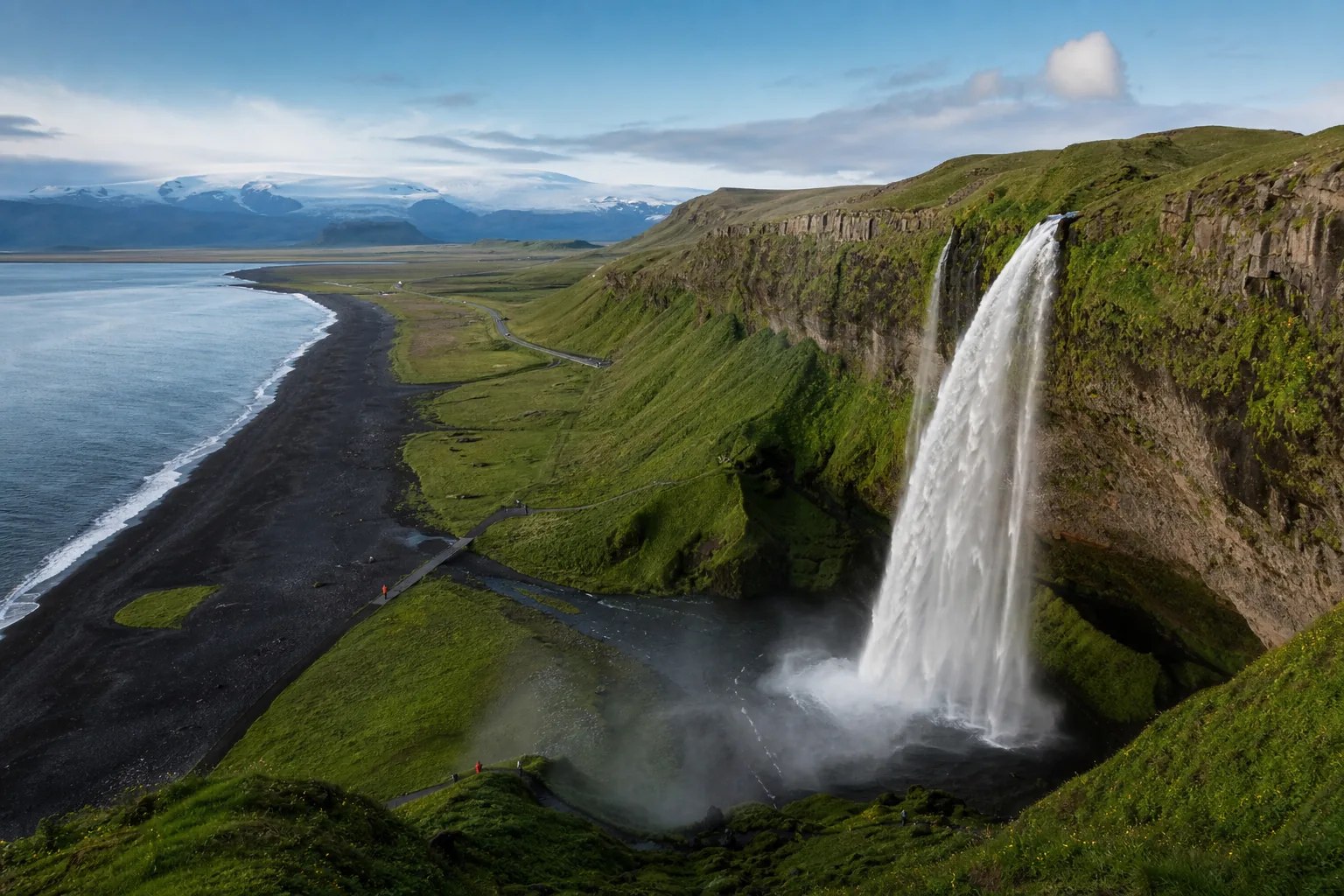
Key Takeaway: On a seven-day loop, protect the South Coast and Jökulsárlón, then cut side trips before cutting sleep.
By now you should have seen the route’s high-density section. Höfn is the handoff point between glacier country and the quieter east.
The East Fjords change the pace of an Iceland ring road itinerary. The road bends around narrow inlets, and the distance feels longer than the map suggests.
From Höfn to Egilsstaðir, allow four to six hours for about 260 kilometers. Djúpivogur makes a useful break. Seyðisfjörður is a worthwhile side trip when weather and daylight allow. Vök Baths near Egilsstaðir can give you a needed pause after the coastal drive.
Seven-day travelers should be ruthless here. The full coastal route has sparse services and long detours. If you reach Höfn late, take the direct route toward Egilsstaðir rather than chasing every fjord viewpoint. Everyone argues about the order, but fatigue is a more useful route planner than online consensus.
From Egilsstaðir, continue toward Mývatn. A route through the area around Mývatn and Goðafoss can cover about 300 kilometers when loops are included, with four to five hours of driving. Dettifoss adds time, so check the road and your energy before committing.
At Mývatn, choose a small group of stops. Dimmuborgir’s lava formations, the geothermal area at Hverir, and the pseudocraters at Skútustaðir give you very different views of the region. Book the Mývatn Nature Baths ahead if soaking is part of your plan.
Next, drive to Akureyri via Goðafoss. The city works well as a two-night base on a 10-day plan. You can add an optional hour around Eyjafjörður, or use the time for a slow meal and laundry.
Húsavík is a possible detour for whale watching, but don’t add it automatically. On a seven-day route, choose it only if you can remove another stop. A good itinerary has room to change.
Pro Tip: Fill the tank whenever it reaches half full in the east and north. Fuel stops are less frequent, and a scenic detour can take longer than the road sign suggests.
By now you should have crossed the hardest section for rushed travelers. North Iceland gives you a chance to slow down before the final return.
The west is where you decide if your Iceland ring road itinerary needs a clean finish or one more loop. Akureyri to Reykjavík is manageable on its own. Snæfellsnes turns it into a longer final chapter.
On a 10-day plan, break the north-to-west drive with an overnight around Borgarnes. That keeps the final day calm. You can then spend a full day on Snæfellsnes before returning to Reykjavík.
Snæfellsnes is a peninsula loop, not a quick roadside stop. The full loop from Akureyri through Snæfellsnes to Reykjavík can reach about 450 kilometers and six to seven hours of driving before you stop. If you include it, start early and sleep on the peninsula instead of treating it as a lunch detour.
For seven days, skip Snæfellsnes unless you cut the full East Fjords route or accept a very fast trip. The South Coast, glacier lagoon, and Mývatn area already give you enough contrast for one week.
Fourteen-day travelers can add two nights here. Use one day for the peninsula loop. Keep the next morning light, then return to Reykjavík. A final city night is safer than driving straight to the airport after a long rural day.
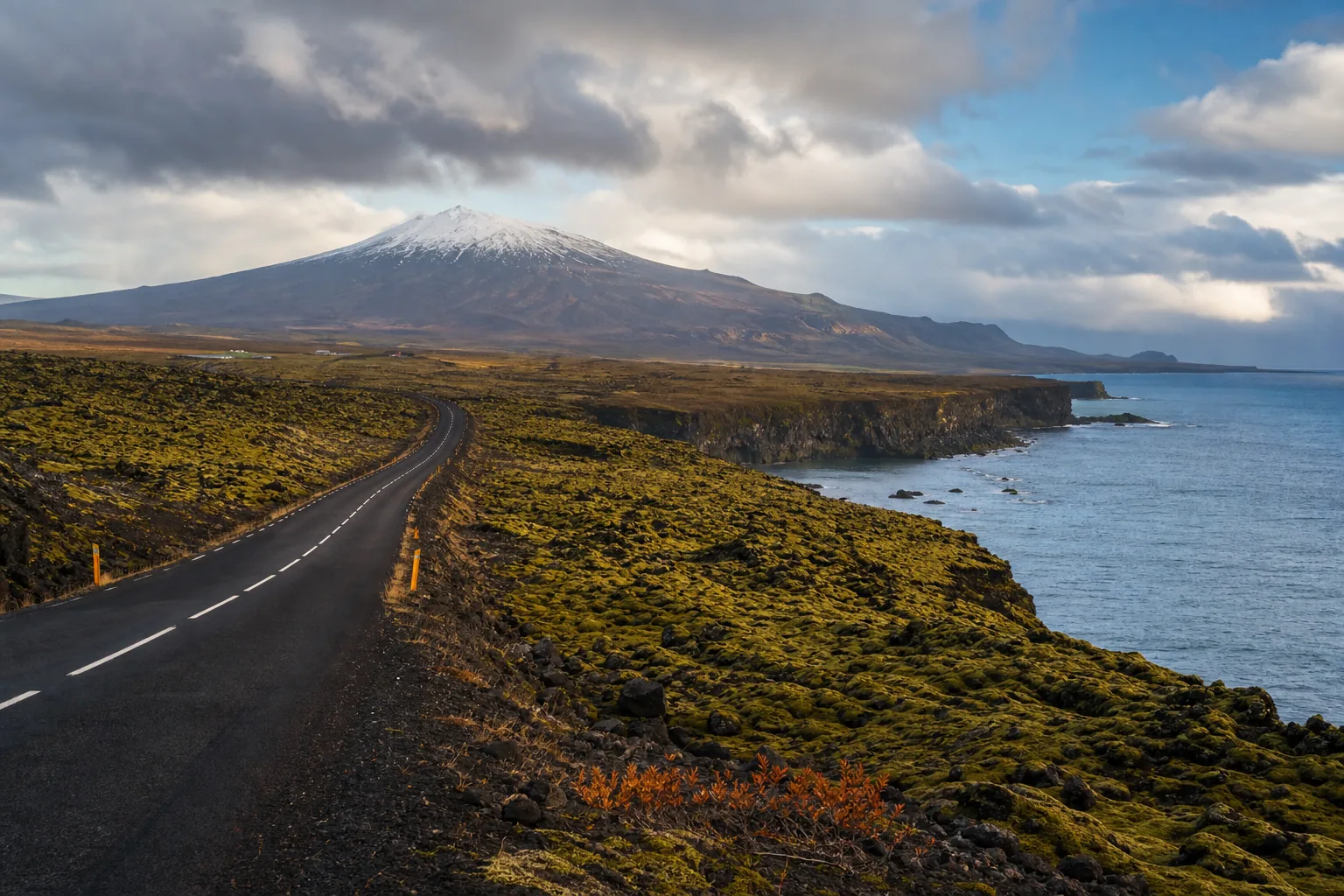
Allow about 45 minutes for the drive from Reykjavík to Keflavík Airport. If you plan a Blue Lagoon visit before departure, book the slot in advance and leave enough time to return the car. Check current entry options before you build the final morning around a soak.
We’d rather end with a short Reykjavík morning than squeeze in one more remote sight. The guides won’t refund your sleep debt.
A useful budget for an Iceland ring road itinerary needs more than a car rate. Split the plan into transport, sleep, food, fuel, paid sights, and a weather buffer.
Published prices vary by date, car size, season, and insurance. Rates are available on request and should be treated as planning anchors, not quotes.
Fuel deserves its own line. Fuel costs vary by vehicle and current pump prices. Rural fuel stations may require a four-digit card PIN, so check with your bank before leaving home.
Camping can lower the accommodation bill in summer. Campsite pricing varies by location, facilities, and extra person charges. Dispersed camping without landowner permission is not legal, so use an approved campsite.
For hotels or guesthouses, book the hardest nights first. Start with South Coast stops, Höfn, and Mývatn. Then fill the easier Reykjavík nights. Choose flexible cancellation when the price difference is reasonable.
Book paid activities after the route and stays are fixed. The Blue Lagoon requires advance booking, and a glacier lagoon boat tour can sell out. Pricing varies, so verify the current rate before payment.
Keep a daily food plan. Buy road snacks in a larger town before a remote leg. Rural meal choices can be limited, and waiting until you’re hungry often means paying station prices.
Dream Book Travel treats booking advice as part of the itinerary, not a sales pitch. If weather or coverage is a concern, our guide to when travel insurance is worth it can help you check exclusions before you pay for nonrefundable plans.
Use this booking order:
Dream Book Travel’s planning approach is editorial first. We want the route to fit your trip, even when that means skipping a famous stop. Once the stays are held, map each day backward from its overnight and cap the drive before adding extras.
Seven days is enough to complete the loop in favorable summer conditions, but it will feel fast. Expect several four- to six-hour driving days. Skip the full East Fjords coastal detour if time is tight. If you want hikes, baths, or weather flexibility, choose 10 days instead.
You need about 10 days for a balanced first loop. Seven days works for a focused summer trip. Fourteen days gives you space for Snæfellsnes, extra nights, or a Westfjords add-on. Winter needs more caution because short daylight and closures can change the route.
Both directions work, but counterclockwise puts the Golden Circle and South Coast near the start. That helps many first-time travelers settle into Icelandic driving. Choose based on the weather window and available rooms. A flexible direction is more useful than loyalty to one route order.
A standard 2WD car is usually enough for Route 1 in normal summer conditions. Choose a suitable 4x4 for winter travel, rough side roads, or F-roads. Check the rental terms first because F-road access, insurance, gravel cover, and tire rules vary.
Choose 10 days if you can. It gives the South Coast, East Fjords, and North Iceland enough breathing room without turning the trip into a month-long project. If you only have seven, cut detours before cutting sleep. Next, hold cancellable stays and check the road forecast each morning. That is how we plan trips at Dream Book Travel: Dream it, plan it, live it, then leave enough room for Iceland to change the plan.
Use this Edinburgh itinerary 3 days plan for honest sightseeing, transit tips, free stops, museums, budget notes, and what to skip.
Find the best areas to stay in London for tourists, with honest advice for first-time visitors, culture lovers, foodies, and theater fans.
Find the best Greek islands for families by travel style, beach access, activities, and travel-day tradeoffs. Honest picks and planning notes.