Edinburgh Itinerary 3 Days: A Practical Plan
Use this Edinburgh itinerary 3 days plan for honest sightseeing, transit tips, free stops, museums, budget notes, and what to skip.
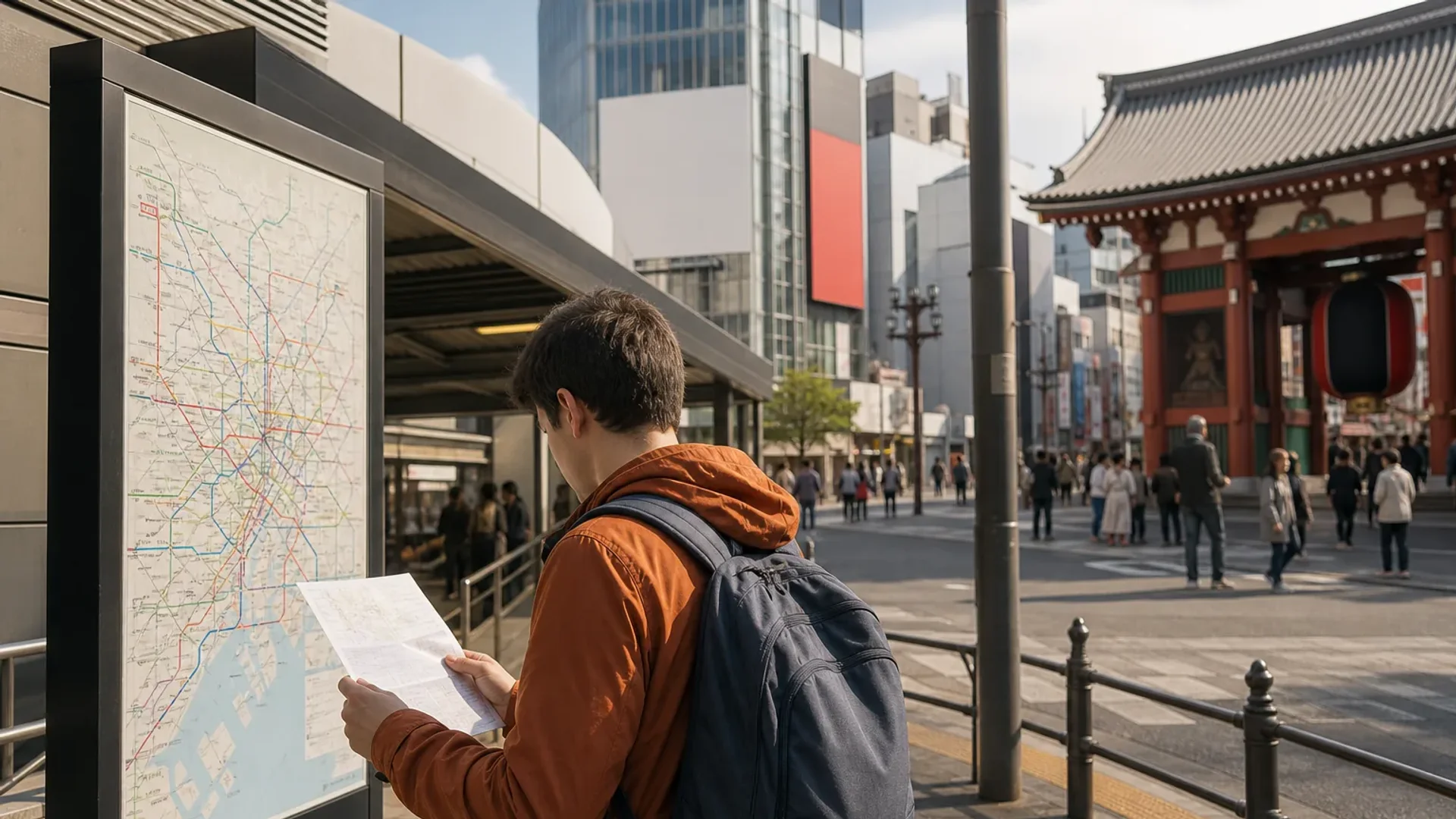
There isn’t one honest answer to how many days in Tokyo you need. Some guides build a one-day snapshot around the Imperial Palace, while others suggest a week or more. We think four full days is the most useful starting point for first-time visitors, with five days giving you room to slow down or add a day trip.
Use the steps below to match your trip length to what you actually want to do. Dream Book Travel’s editorial approach is simple: spend enough time to enjoy Tokyo, but don’t stay longer just to tick off a list.
When you ask how many days in Tokyo makes sense, start with your interests rather than a fixed number. Tokyo can be a food trip, a museum trip, a shopping trip, or a first taste of Japan. Those trips need different amounts of time.
For a first visit, write down your three main reasons for going. Keep the list short. If food is first, protect time for meals and don’t book a packed morning on the other side of the city. If museums matter most, three nights can work, but you’ll need to accept fewer neighborhoods.
Lonely Planet focuses a one-day visit on the Imperial Palace historic complex and nearby streets. Nerd Nomads suggests three nights with a focus on culture and museums. Paffing points travelers toward seven to ten days and says three to four days only shows a small part of the country. Those aren’t really conflicting answers. Each guide is describing a different trip.
We also think about your arrival and departure days. A late arrival is not a full sightseeing day. Neither is a morning flight home. Count full days on the ground, then treat travel days as partial days.
Tokyo’s size makes this even more important. A plan that looks compact on a map can take much longer in practice.
Pick one home base for a short stay. Shibuya suits travelers who want easy access to busy western districts. Asakusa works well if temples, old streets, and a quieter night sound better. Dream Book Travel’s guide to Tokyo neighborhoods and where to stay can help you make that call without moving hotels every night.
Skip the urge to fit every famous district into one day. Crowded streets can be fun for an hour, but they become tiring when you stack them back to back. A youth-fashion shopping area, for example, is worth seeing if you like youth fashion and sweet snacks. If shoulder-to-shoulder crowds bother you, give it a short visit and move on.
By now you should have a clear trip purpose, a realistic count of full days, and one area that can serve as your base.
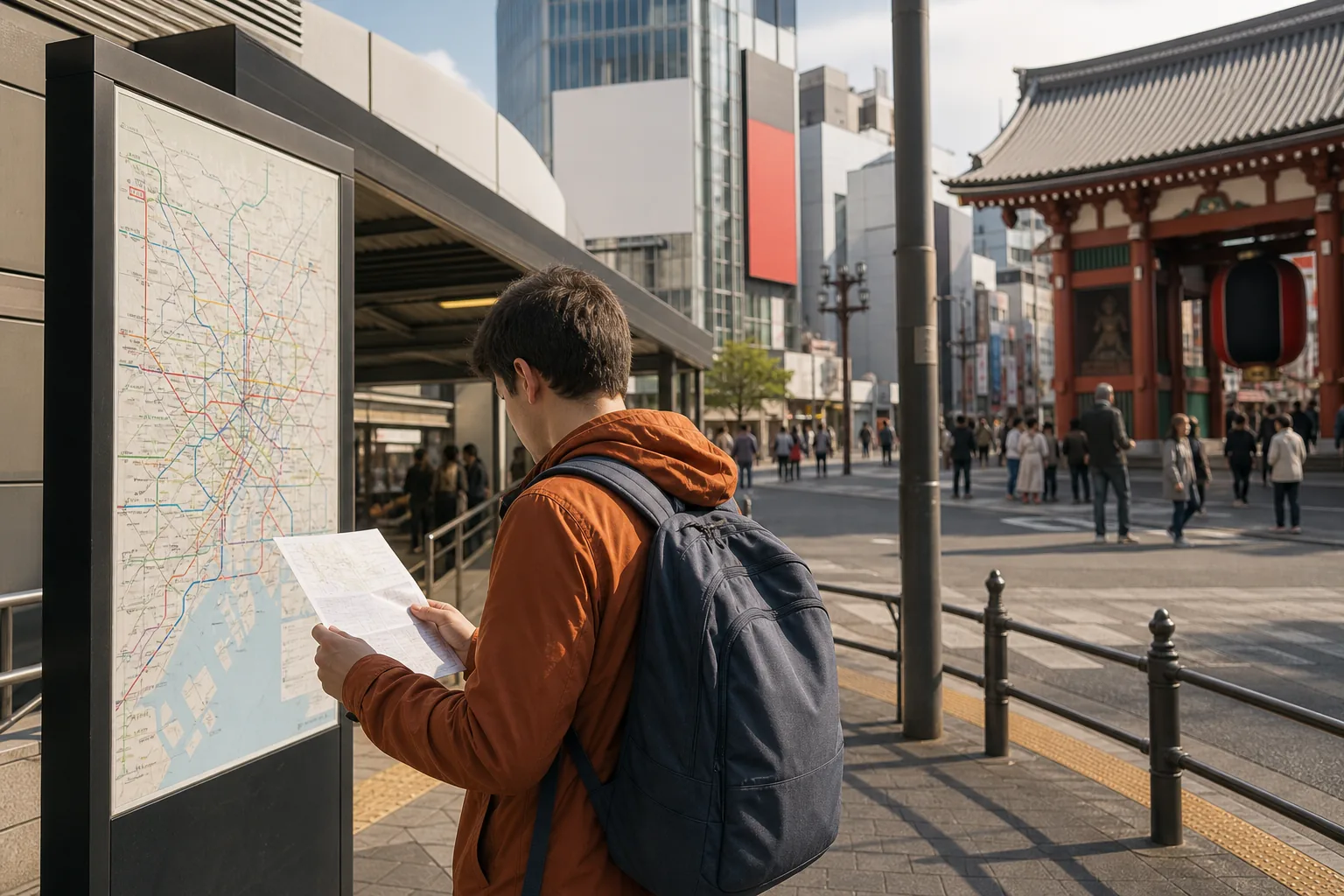
The right number of days in Tokyo depends on how much movement you can handle. Three days is possible. Four days feels more balanced. Five days gives you breathing room. Seven days works when Tokyo is the main event, not a short stop on a wider Japan route.
| Trip length | What fits | Main trade-off | Who it’s for |
|---|---|---|---|
| 3 days | Western Tokyo, historic Tokyo, and one central or waterfront area | Long days and little room for closures | Travelers adding Tokyo to a wider Japan trip |
| 4 days | Major districts with time for one slower block | Day trips may crowd out Tokyo itself | First-time visitors who want a clear overview |
| 5 days | Four city days plus a flexible fifth day | Extra time can tempt you into overplanning | Travelers who want food, museums, and neighborhood walks |
| 7 days | Tokyo at a slower pace plus one or two day trips | More hotel nights and more transport planning | Repeat visitors or travelers who prefer one base |
Three days works if you accept that this is a sample, not a full survey. A sensible shape is one western day around Shinjuku, Meiji Shrine, Harajuku, and Shibuya. Use the second day for Asakusa, Ueno, and Akihabara. Reserve the third for the Imperial Palace area, Ginza, and either Toyosu or the waterfront.
Keep each day in one broad zone. You may still walk a lot, but you won’t spend half the day changing trains. Leave one major booking per day. If that booking fails, the day won’t fall apart.
Four full days gives you enough room to see Tokyo’s major sides without treating every hour like a work meeting. We would use three days for grouped neighborhoods, then keep the fourth for a museum, market, extra meal, or rest.
This is also the point where you can recover from jet lag. A morning at a garden or shrine can feel much better than forcing a packed shopping route after a long flight.
Five days is our preferred shape for travelers who want more than a checklist. One established five-day plan groups Shibuya with Yoyogi and Harajuku, then uses other days for Asakusa, Ueno, the Imperial Palace, Ginza, and the waterfront. The fifth day stays open for a day trip or a neighborhood that deserves more time.
Use that extra day carefully. A second visit to a district you liked can be more rewarding than adding a far-off attraction. Tokyo rewards repeat walks because shops change, side streets reveal more, and you stop losing time to station exits.
Seven days makes sense if you dislike changing hotels or want to mix city days with time outside Tokyo. You can spend five days in the city and use two days for day trips. Or keep all seven in Tokyo and add a long museum day, a food-focused day, and a free morning.
Don’t choose seven days because a guide says you must see everything. You won’t. Choose it because you enjoy staying put.
Dream Book Travel does not force one fixed duration. That is the useful part. The answer should follow your interests, energy, and wider Japan plan.
To work out how many days in Tokyo you need, group places by area before you book anything. The goal is simple: make one move in the morning, then explore on foot until dinner.
A western Tokyo day can link Shinjuku, Meiji Shrine, Harajuku, and Shibuya. Start with a green space or shrine before the crowds build. Move toward Harajuku around midday, then finish in Shibuya or return to Shinjuku for the evening.
A northern and eastern day can pair Ueno with Asakusa. Add Akihabara only if you still have energy. The districts have different moods, but they connect more cleanly than a plan that jumps from western Tokyo to the bay and back.
Central Tokyo needs its own shape. The Imperial Palace area can lead into Marunouchi or Ginza. Don’t assume the palace interior works like a normal attraction. Some areas have access limits, closures, or booking rules, so check current details before you set the day.
For transit, use the route that saves time rather than chasing a particular rail company. Tokyo Metro, JR, and other rail lines overlap across much of the visitor map. A route with one extra stop may still win if it avoids a long station transfer. The Tokyo Metro network overview is useful background, but your map app should decide the live route.
Station size is another hidden cost. A short ride may still require ten minutes of walking inside a station, followed by another ten minutes at street level. Build that into your plan. If you schedule lunch at noon on the opposite side of town, a late train or a missed exit can throw off the whole afternoon.
We use a simple daily rule:
Book popular restaurants and timed attractions early when they matter to you. Lonely Planet notes that popular restaurants and bars can be packed most nights. That doesn’t mean every meal needs a reservation. It does mean you shouldn’t build your whole trip around walking into one small place at 8 p.m.
Use the same logic for your hotel. A station within a short walk matters more than a fashionable district name. You will notice the difference when you return tired, carrying shopping bags, or dealing with rain.
By now you should have a zone-based plan with fewer cross-city jumps. That is what turns a packed itinerary into a day you can actually enjoy.
Day trips change the answer to how many days in Tokyo you need. A five-day stay with one day outside the city gives you four Tokyo days. A seven-day stay with two day trips gives you five. Count the city days, not just the hotel nights.
For a first visit, add one day trip only after you have four solid city days. Hakone is a common choice for travelers who want mountain scenery, hot springs, or a break from the city. Kamakura, Nikko, and Mount Takao can also fill a day, but each needs its own travel plan and weather check.
Think of a day trip as a travel day. You may leave early, spend time on a train, wait at a station, and return tired. That can still be worth it. It just isn’t the same as gaining another full Tokyo day.
If your Japan route already includes Kyoto, Osaka, or another major stop, resist the urge to add every nearby excursion. A seven-day Japan route that includes Tokyo and Kyoto needs time for the transfer itself. Our seven-day Japan itinerary from Tokyo to Kyoto is built around that trade-off, with room for train time instead of pretending every day begins at breakfast.
Slow travel works especially well in Tokyo. Pick one neighborhood and give it a morning without a target. Sit down for coffee. Walk through a park. Return to a shop you noticed the day before. These small gaps help you see the city as a place rather than a set of stations.
We would also protect one low-pressure block on trips longer than four days. Use it for laundry, a long lunch, a missed museum, or nothing at all. If you feel guilty about that, remember that jet lag and sore feet are part of the itinerary whether you schedule them or not.
There is a clear skip here: don’t take a day trip just because a social post made it look mandatory. If the journey takes most of the day and the destination doesn’t match your interests, stay in Tokyo. A quiet local morning may give you more than another box checked.
When you are ready to add Hakone, Dream Book Travel’s Hakone day trip guide can help you compare the route, timing, and trade-offs before you commit a full day.
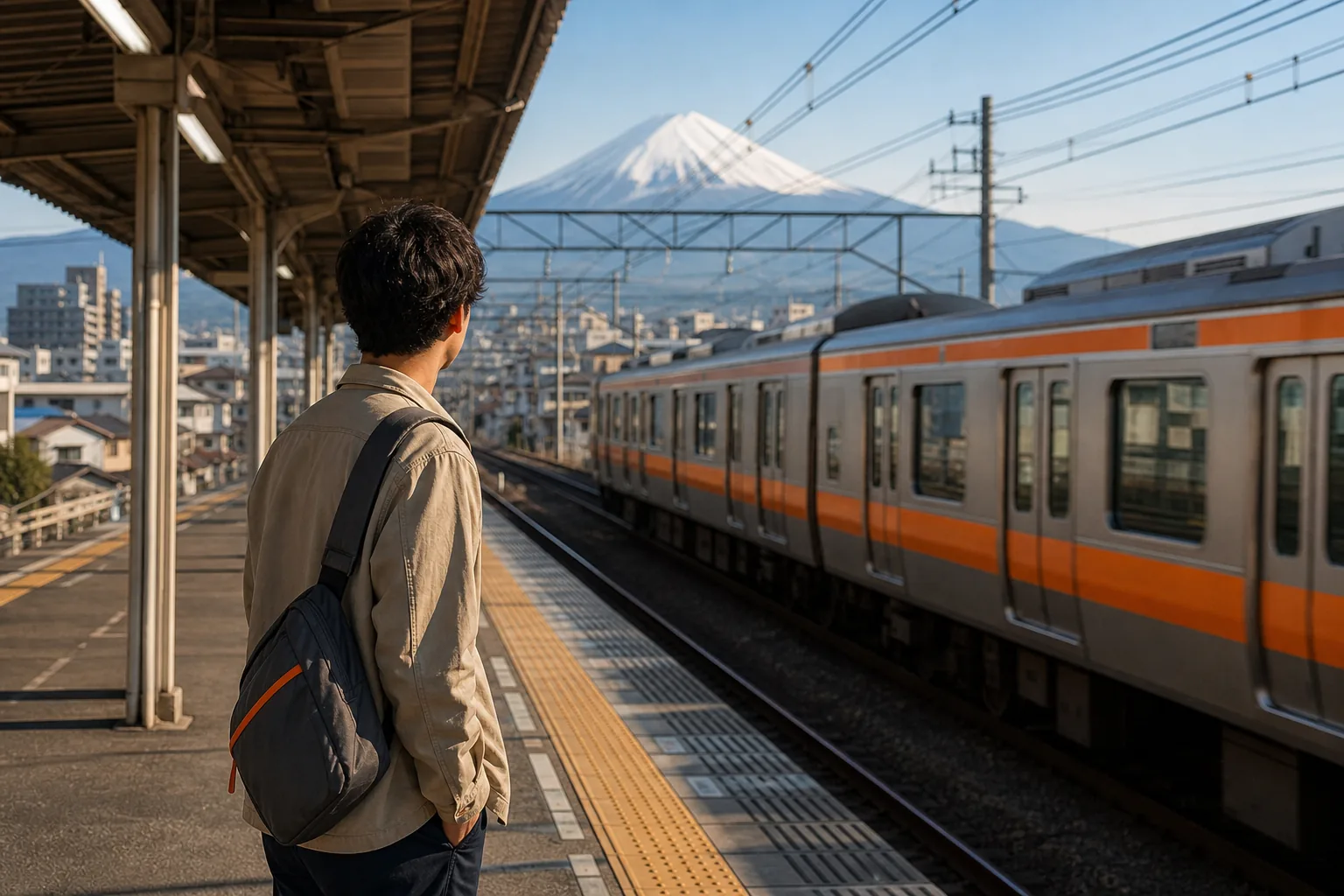
By now you should know whether you want more city time, one day trip, or a slower week based in one neighborhood.
Four full days is enough for a first visit if you group sights by area. You can cover western Tokyo, historic districts, central Tokyo, and one flexible day. Three days works when Tokyo is one stop on a larger Japan trip, but the schedule will feel tighter.
Three days in Tokyo isn’t too short, but you need to choose carefully. Focus on three broad areas and avoid adding a day trip. Keep one major booking per day, then let nearby streets, meals, or shops fill the gaps.
Five days in Tokyo isn’t too long for travelers who like food, museums, shopping, or slow walks. Use four days for the city and keep the fifth flexible. If you prefer fast trips, use that extra day elsewhere in Japan.
Seven days in Tokyo makes sense when you prefer one hotel base and want a slower pace. You can add one or two day trips without losing all your city time. It may feel excessive if you mainly want a quick introduction before moving on.
You can take a day trip during a four-day stay, but you will have only three full days for Tokyo. That trade-off works if the trip outside the city is a major goal. Otherwise, keep all four days in Tokyo and save the excursion for a longer visit.
We recommend four full days for most first-time visitors, five if you want room for a slower day or one excursion. Count full sightseeing days, group neighborhoods, and leave space for the city to surprise you. Before you book, write down your three priorities and build the trip around them. Dream Book Travel is here to help you make that plan without pretending one number fits everyone.
Use this Edinburgh itinerary 3 days plan for honest sightseeing, transit tips, free stops, museums, budget notes, and what to skip.
Find the best areas to stay in London for tourists, with honest advice for first-time visitors, culture lovers, foodies, and theater fans.
Find the best Greek islands for families by travel style, beach access, activities, and travel-day tradeoffs. Honest picks and planning notes.