Edinburgh Itinerary 3 Days: A Practical Plan
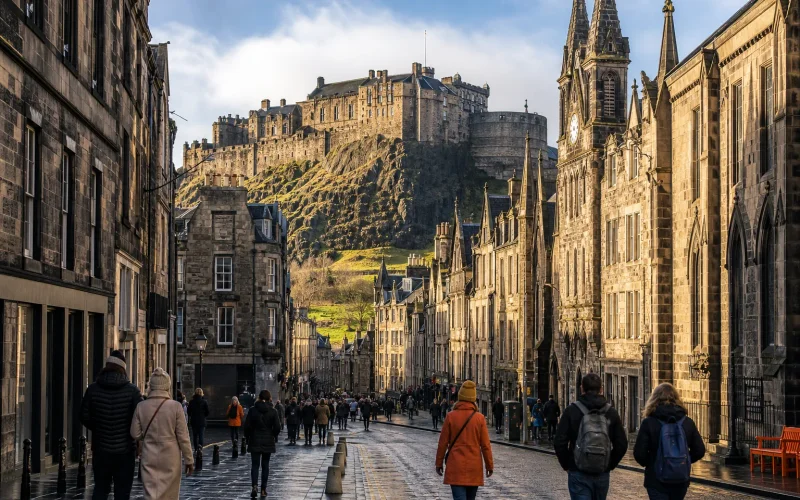
Use this Edinburgh itinerary 3 days plan for honest sightseeing, transit tips, free stops, museums, budget notes, and what to skip.
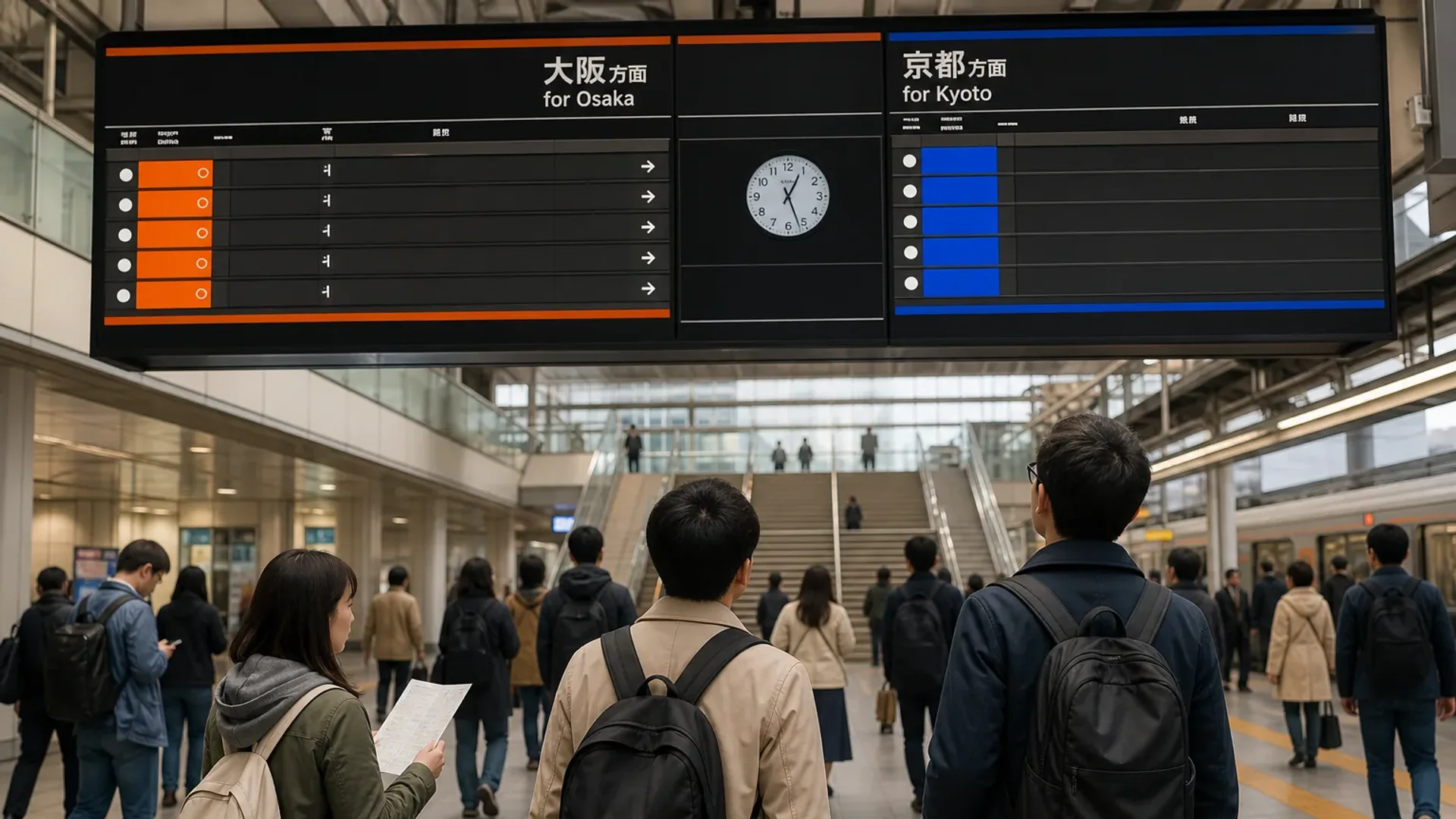
A train can carry you from Osaka to Kyoto in 15 minutes, but the fastest ride isn’t always the smartest choice. The cheaper routes still get you there quickly, while the real challenge is fitting Kyoto’s spread-out sights into one day. We recommend choosing one area first, then building the train route around it.
We read the one-day Kyoto itineraries on 5 travel sites currently ranking for day trip to kyoto from osaka, noting every named stop. All 5 combined at least 3 separate Kyoto districts in one day, mixing southeast Fushimi Inari, western Arashiyama, and a northern or central stop such as Kinkaku-ji or Nishiki Market. 3 of the 5 listed 4 or more districts in a single plan, though each cross-town transfer runs 30 to 40 minutes or more. Focusing on one area first avoids the cross-town hopping that fills those other itineraries.
A day trip to Kyoto from Osaka works when you pick one cluster of sights. It falls apart when you try to cross the whole city before dinner.
Kyoto has roughly 2,000 temples and shrines spread across a large urban area. The train from Osaka takes about half an hour, but moving between Kyoto districts can take much longer. A single day usually covers one temple area well, plus one nearby district.
Use this quick match before you leave Osaka:
For a first visit, we favor Fushimi Inari plus Higashiyama. The two areas connect by rail and foot without sending you back through Kyoto Station. Start at Fushimi Inari, then move north toward Kiyomizu-dera and Gion.
Fushimi Inari has no entrance gate and its torii paths are open around the clock. Arriving before 8 a.m. gives you more space on the lower trail. Most visitors turn back near the Yotsutsuji intersection, about 30 to 45 minutes uphill. The full summit loop takes two to three hours, so set a limit before you start.
If you can stay two or three nights, Kyoto deserves that time. A day trip is still worth it when Osaka is your base, your schedule is short, or you want to see Kyoto without changing hotels. Dream Book Travel’s Kyoto itinerary for three days shows how the western and northern areas fit once you have more room.
Kyoto’s layout rewards a narrow plan. Pick the area before you check train times.
For this day trip from Osaka, choose the train by your Osaka starting point and your first Kyoto stop. The train that saves a few minutes may leave you in the wrong part of town.
The JR Special Rapid Service runs direct from Osaka Station to Kyoto Station. It takes about 28 minutes, costs around ¥580, and runs roughly every 10 to 15 minutes. If you hold a JR Pass, one research source lists the ride as covered, though another lists a ¥570 fare. Check your pass terms before boarding.
Hankyu is often the better fit for central Kyoto. Its Limited Express runs from Osaka-Umeda to Kyoto-Kawaramachi in about 43 to 44 minutes for ¥410. That puts you near Gion and Nishiki Market, with other central Kyoto sights nearby. The line is private, so a JR Pass doesn’t cover it.
Keihan suits an eastern Kyoto plan. It leaves from Yodoyabashi or another Osaka station and reaches the Gion-Shijo area. It also works well for Fushimi Inari. The ride takes about 50 to 55 minutes, with fares around ¥410.
Shinkansen trains take about 15 minutes from Shin-Osaka to Kyoto. The unreserved fare is around ¥1,420 to ¥1,450. You must first reach Shin-Osaka, so the door-to-door saving is smaller than the headline suggests. Hikari and Kodama services are covered by a qualifying JR Pass, while Nozomi requires an extra payment under the pass rules.
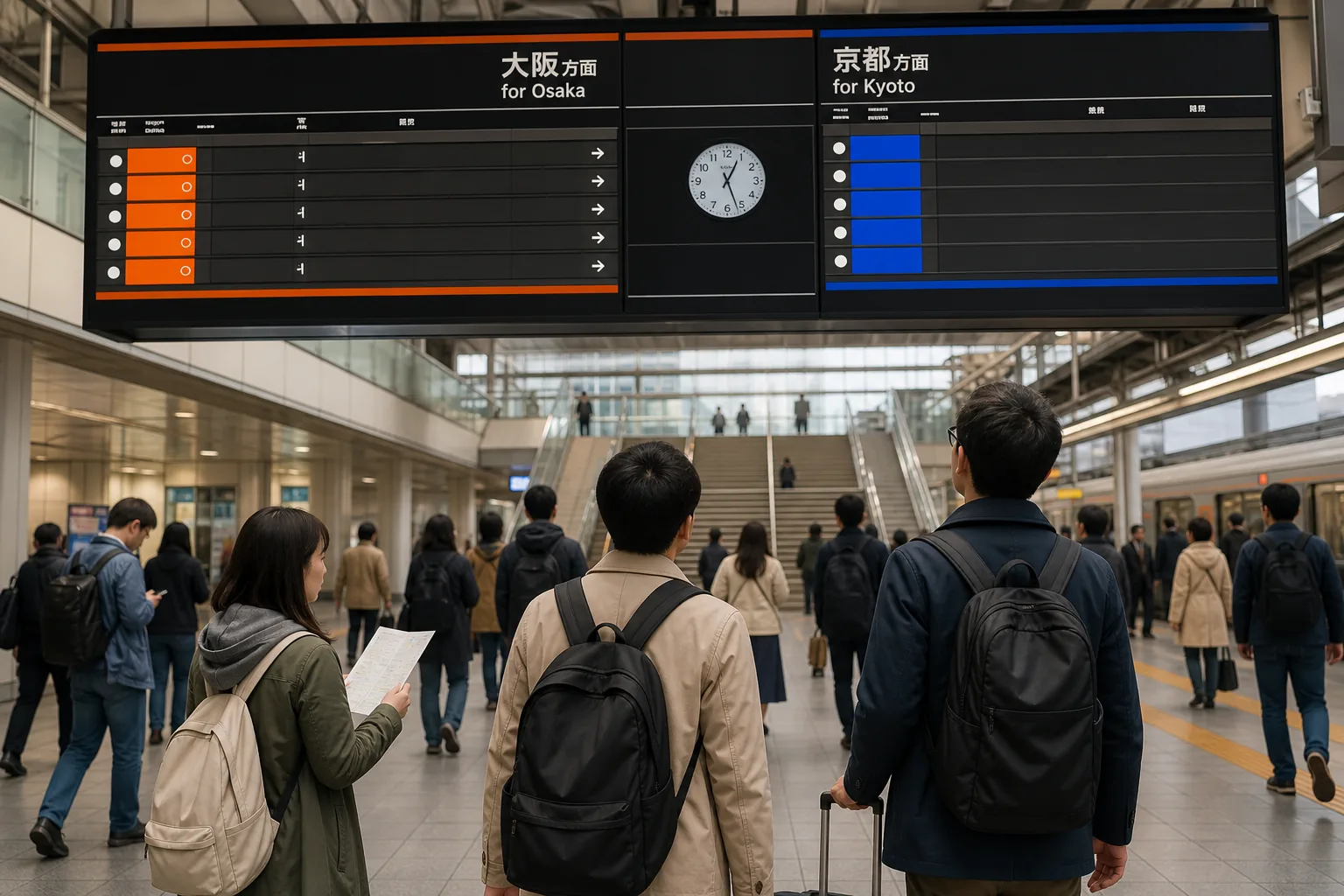 Option Option | Leaves from | Ride time | One-way fare | Use it when |
|---|---|---|---|---|
| JR Special Rapid | Osaka Station | 24 to 29 minutes | ¥570 to ¥580, or covered by some JR passes | You want a direct, fast ride to Kyoto Station |
| Hankyu Limited Express | Osaka-Umeda | 43 to 44 minutes | ¥410 | Your first stops are downtown or Gion |
| Keihan | Yodoyabashi or another Osaka station | About 50 to 55 minutes | About ¥410 | You want Fushimi Inari or eastern Kyoto |
| Shinkansen | Shin-Osaka | About 15 minutes | ¥1,420 to ¥1,450 | A pass covers it, or every minute matters |
| Kintetsu | Namba area | About 75 minutes | ¥660 | Your hotel is near Namba and you value a simple start |
| Highway bus | Several Osaka stops | 60 to 90 minutes | ¥800 to ¥1,500 | Trains have stopped or your route suits a bus |
Don’t board the first train marked Osaka or Umeda without checking the operator. Osaka Station and Osaka-Umeda are close, but JR and Hankyu use different stations. Add a few minutes for the walk and follow the English signs.
Our view is simple. Use JR Special Rapid from Osaka Station for a general Kyoto day. Use Hankyu when central Kyoto is your target. Use Keihan when Fushimi Inari or Gion comes first. Pay for the Shinkansen only when a pass covers it or your schedule has no slack.
For the latest fare rules and route details, compare the Osaka to Kyoto transport guide before you leave. Fares and schedules can change.
A useful day trip from Osaka needs open space between stops. We would rather see three places at a calm pace than photograph six places from a bus window.
For a first visit, use this eastern Kyoto route:
Kiyomizu-dera’s main stage sits above the hillside and takes a steady uphill walk to reach. The water feature near the temple can have a queue, so follow posted guidance and be considerate of other visitors.
Gion works well late in the day. The main street through the district is most atmospheric as the light fades, but don’t chase geiko or maiko. Keep to public paths, follow posted rules, and never block a doorway for a photo.
Arashiyama and a northern temple area deserve separate plans. Adding either one to this route means a cross-city transfer of roughly 30 to 40 minutes, often more when buses slow down. If you want a wider list of stops, Dream Book Travel’s Kyoto sights guide can help you decide what earns a second day.
Key Takeaway: Put the most crowd-sensitive sight first, then let the route move in one direction.
For a day trip to Kyoto from Osaka, timing matters more than squeezing in another landmark. A late start can turn a short train ride into a full day of queues.
Fushimi Inari is open all day, so it gives you a rare chance to start early. Aim for arrival before 8 a.m. If your dates are flexible, Tuesday or Wednesday morning is usually a calmer bet than a weekend. Spring blossoms and autumn color bring heavier crowds at almost every major sight.
The bamboo grove in Arashiyama is the clearest place to set expectations. It is a short photo walk, not a quiet forest retreat. If you include Arashiyama, see the grove quickly and give the rest of the area more time. Do not cross Kyoto just to spend ten minutes in one packed lane.
Kiyomizu-dera and its approach streets fill by mid-morning. If the temple is non-negotiable, arrive near opening time. If you want a slower temple visit, switch to a less central stop rather than hoping the crowd disappears.
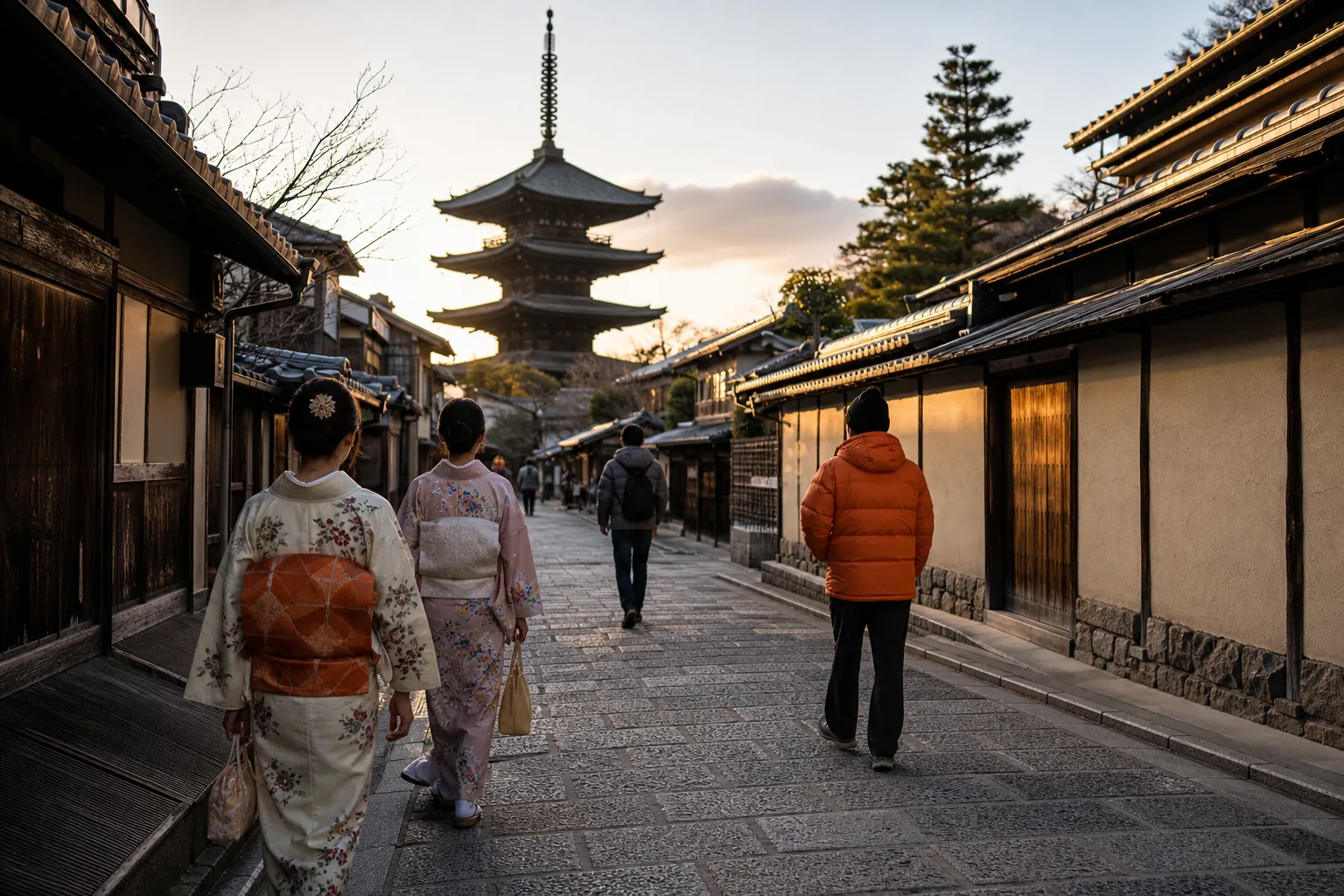
Build in walking time. Kiyomizu-dera to Gion takes about 15 to 20 minutes on foot, with plenty of stops along the way. That walk is part of the visit. Treating it as dead time makes the whole day feel rushed.
Use trains for longer moves. Kyoto buses reach many sights, but crowded roads can turn a short ride into a slow one. Large suitcases also make city buses awkward. Leave luggage at your Osaka hotel or use a storage service before setting out.
Keep one fallback plan. If Fushimi Inari feels too packed, walk farther up the mountain. If Kiyomizu-dera feels overwhelming, spend more time in the lanes below it. The guides won’t always tell you this: the landmark doesn’t have to control every minute of your day.
Kyoto’s geography means eastern, western, and northern sights don’t combine neatly.
The transport cost for a day trip is usually lower than visitors expect. Return fares vary by route and the line you choose.
For the eastern route, set aside these line items:
Transport and one paid temple will vary by route before food when using the JR route plus the local rail segments. Exchange rates change, so treat the dollar amounts as guides.
A convenient transit payment method can save you from stopping at a ticket machine every time you change lines. Load it before the morning rush and keep a small backup balance.
Plan the return before dinner. JR Special Rapid trains run frequently until late evening, but trains can fill on Friday and weekend nights. If you stay near Gion, check the last useful Keihan connection before settling in for dinner.
After midnight, a highway bus or night bus may be the only public option. A taxi can cost around ¥18,000, or about $130, so missing the last train is an expensive mistake. Set an alarm if your return depends on a final connection.
Dream Book Travel’s Osaka itinerary can help you place this day without cramming another long trip beside it. Keep Kyoto as the day’s main event. Adding Nara after Kyoto is how a good plan becomes a transport contest.
Yes, a Kyoto day trip is worth it when you focus on one area. Fushimi Inari plus Higashiyama gives you a strong first visit without crossing the city. Staying overnight is better for a slower trip, but Osaka works well as a base when your wider Kansai plan already centers there.
The Hankyu Kyoto Line is the cheapest listed option at about ¥410 each way. It takes roughly 43 to 44 minutes from Osaka-Umeda to Kyoto-Kawaramachi. That arrival point helps if you’re heading toward Gion or central Kyoto, and the line isn’t covered by a JR Pass.
The Shinkansen is the fastest train, taking about 15 minutes from Shin-Osaka to Kyoto. It costs around ¥1,420 to ¥1,450 without a pass. JR Special Rapid takes about 28 minutes from Osaka Station, so it often makes more sense once you include the trip to Shin-Osaka.
You can visit both, but we don’t suggest it for a relaxed Kyoto day trip. Fushimi Inari sits in the southeast, while Arashiyama is in the west. The transfers eat into the day, and both areas need walking time. Choose one side of Kyoto, then return for the other area later.
Leave Osaka around 6:45 to 7:30 a.m. if Fushimi Inari is your first stop. That timing can put you near the shrine before the heaviest morning crowd. For central Kyoto, an early train still helps, but you have more flexibility if your first stop is a market or shopping street.
We recommend the JR Special Rapid for a simple general route, or Hankyu and Keihan when their Kyoto arrival points match your plan. Pick one cluster before you leave Osaka, start early, and keep the return time visible. Then book the train that fits your first stop, not the one with the flashiest travel time.
Use this Edinburgh itinerary 3 days plan for honest sightseeing, transit tips, free stops, museums, budget notes, and what to skip.
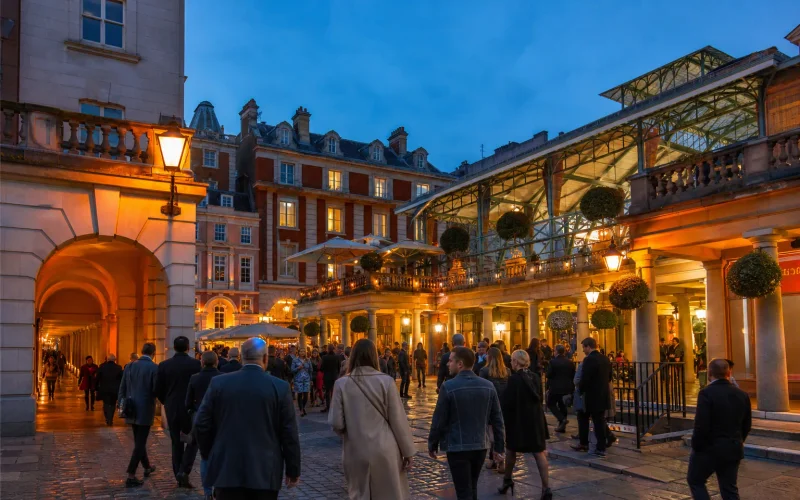
Find the best areas to stay in London for tourists, with honest advice for first-time visitors, culture lovers, foodies, and theater fans.
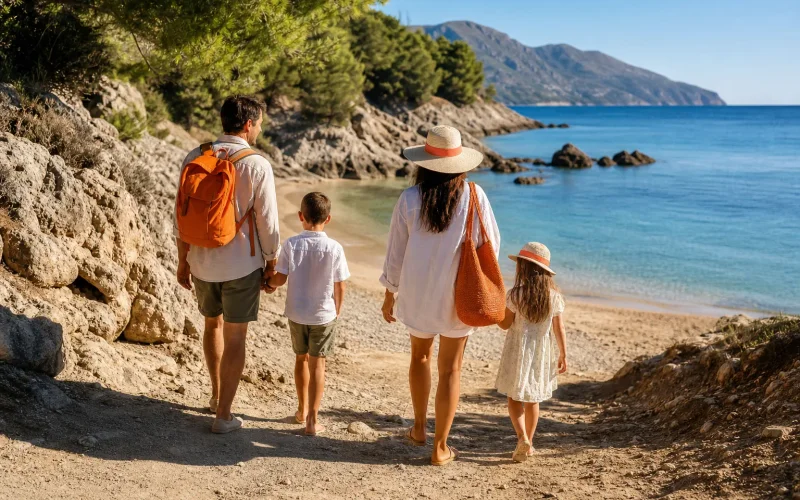
Find the best Greek islands for families by travel style, beach access, activities, and travel-day tradeoffs. Honest picks and planning notes.