Edinburgh Itinerary 3 Days: A Practical Plan
Use this Edinburgh itinerary 3 days plan for honest sightseeing, transit tips, free stops, museums, budget notes, and what to skip.
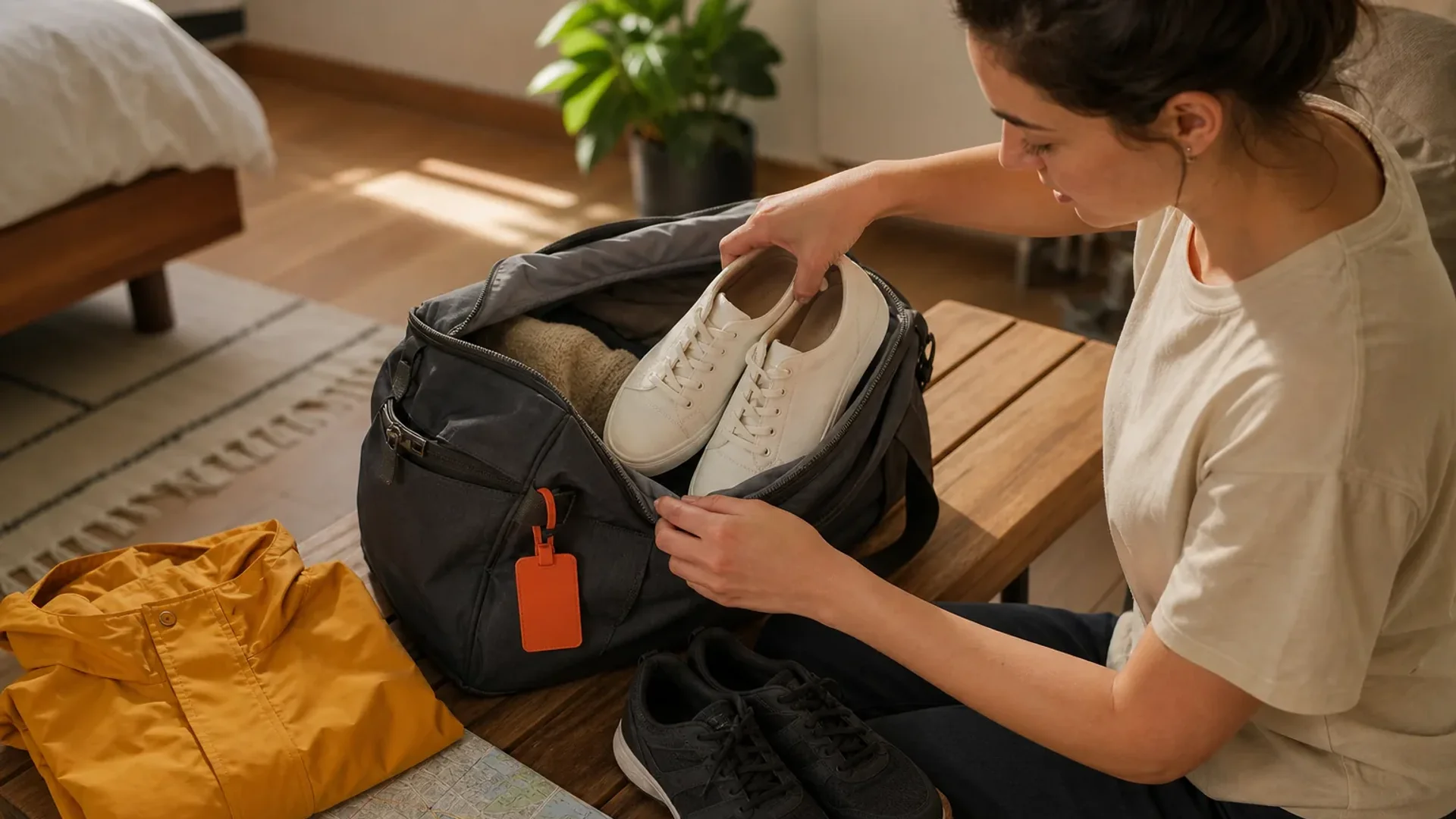
The best travel shoes for women aren’t the same for every trip. A week of city streets calls for a different pair than a wet trail or a beach escape.
Our main finding is simple: reviews often describe use cases better than they report weight, support, or water protection. Use the steps below to choose with more confidence.
For the airport leg, choose a shoe you can remove and put back on without turning security into a small daily drama. Kizik Athens 2 is described as a good fit for airport security lines, with arch support that is adequate for short walks.
That last detail matters. A shoe can be easy at the airport yet wrong for a full sightseeing day. Treat Kizik Athens 2 as an airport and short-walk option unless you already know its fit works for longer use.
Hands-free entry can help when you’re carrying a tote, balancing a coffee, or standing in a crowded gate area. Check the current design, size range, and return terms before you buy.
Test the shoe at home before the trip. Wear it while standing for 30 minutes. Then walk around your block. Pay attention to heel lift, toe pressure, and any seam that rubs once your feet warm up.
Airport comfort has a narrow job:
Don’t choose an airport shoe based on the security line alone. Most travel days include stairs, train platforms, and a walk to the hotel. If your airport pair can’t handle those moments, wear your main walking shoe instead and pack the lighter pair.
We also suggest checking whether you need a hands-free shoe at all. If you travel with a single pair and don’t mind bending down, comfort after hour four matters more than a quick airport trick.
A useful rule: choose the airport shoe for the whole travel day, not the five minutes at security.
Long city days demand a shoe that still feels stable after several hours. Among the named options, On Cloud 6 is described for travelers, commuters, and casual walkers. Its upper is breathable, its arch support is neutral, and its reported weight is 459 grams.
That weight is useful context, but it isn’t a verdict. A shoe’s fit, sole shape, and pressure points matter more than a single number. Two feet with the same size can respond very differently to the same midsole.
On Cloud 6 may suit a traveler who wants one casual-looking sneaker for transit, sightseeing, and desk time. The caveat is traction. The research description doesn’t give a standardized grip rating, so check the sole and return policy if wet pavement is part of the plan.
Other travel-focused choices cover different needs. UYN Free Flow Tune is described as very breathable and odor-resistant, with an adventure travel focus. Icebug Mosi RB9X has a breathable recycled mesh upper, neutral arch support, and a listed weight of 431 grams. Allbirds Tree Skippers are described as a lightweight city walking shoe with knit fabric that helps feet breathe.
Those descriptions sound useful, but notice the reporting gap. Breathability appeared in five of the 15 entries, or about one-third. Each source used different language. None gave a shared test method or a clear airflow measure.
We’d judge a city shoe in this order:
A shoe can feel fine at first and still reveal heel rub or arch fatigue after several hours. That is why a short shop visit isn’t enough evidence.
If your trip centers on a place with steep streets, build the shoe choice into the route plan. Our three-day Lisbon itinerary is a good example of why hills, transit gaps, and long walking loops should be considered before you pack.
Skip a highly cushioned shoe if it feels unstable or too bulky. Cushion alone won’t fix a poor fit.
Weather protection belongs in your bag when the forecast or terrain calls for it. It shouldn’t be the default feature on every pair of travel shoes for women.
Only three of the 15 reviewed models made an explicit waterproof claim. The wording varied, which makes comparison hard. A label that says waterproof tells you less than a stated test standard, membrane detail, or clear return policy.
For wet or snowy trips, the research names Be Lenka Barefoot Winter Boot and Vivobarefoot Tracker FG as waterproof in snow and rain. Vivobarefoot Tracker FG is also described for rugged winter sports, hiking, and slippery ice. Those are specialist choices, so don’t pack them for a warm city break just because rain is possible.
For trails, Altra Lone Peak Trail Runners use a lightweight mesh upper described as highly breathable.
Hot-weather trips call for a different swap. Teva Sandals are described as water sandals for hot-weather trips and water activities. Xero Z-Trail Sandal is described as a women’s hiking sandal with just enough support. Neither should replace a closed walking shoe on every itinerary.
Ask three questions before adding a weather shoe:
If the answer is no, leave the specialist pair at home. Dedicated hiking shoes can improve support and traction on rough trails, but they can feel excessive on smooth city paths. A trail shoe also tends to look less at home with dress clothes.
We’d rather see you pack one weather-ready pair when the route demands it than carry waterproof footwear “just in case.” For a trip with real trail days, read the terrain notes in your itinerary first. Our Europe trip planning guide takes the same approach by weighing travel style, season, and trade-offs before the packing list.

One warning: waterproof shoes can trap heat. If your trip is hot and mostly urban, breathability may help more than water protection.
Two pairs can cover most trips if each pair has a clear job. We like one main walking shoe plus one lighter backup or wet-area shoe.
Wear the bulkier pair in transit. Pack the flatter pair inside a shoe bag. This keeps dirty soles away from clean clothes and saves space in the main compartment.
| Trip need | Wear in transit | Pack | Skip |
|---|---|---|---|
| City walking in mild weather | Comfortable walking sneaker | Packable flat or sandal | Heavy hiking boot |
| Rainy city trip | Water-resistant walking shoe | Light indoor or dinner shoe | Second bulky sneaker |
| Light trail plus city time | Urban-friendly trail runner | Small wet-area sandal | Separate running shoe |
| Snow or serious hiking | Weather-ready boot or trail shoe | Light recovery pair | Fashion pair with no route use |
| Beach and hot weather | Breathable city shoe | Water sandal | Waterproof boot |
On Cloud X4 is described as a travel shoe that keeps outfits looking polished. On Cloudsurfer Max is described for long travel days, while On Cloudsurfer 2 Trail is listed as waterproof.
Don’t read those use cases as proof that one pair can do everything. “Long travel days” might mean airport standing, while your trip may involve uneven stone steps. Ask what the shoe must do at its hardest moment.
For most trips, we would skip a third pair. Add one only for a true requirement such as a formal event, serious trekking, snow, or ice. If a shoe serves one narrow purpose, it needs to earn its space.
Pack enough socks to manage laundry without carrying a drawer. A small shoe bag also helps you keep the packed pair separate from clothes. Test your full setup before leaving home. If the bag barely closes, remove the least useful pair first.
Dream Book Travel’s packing advice follows the same test: every item needs a job on the itinerary. That approach leaves more room for the things you actually plan to use.
The best travel shoes for women are the ones that match your hardest planned day. For city trips, start with a tested walking sneaker such as On Cloud 6 or Allbirds Tree Skippers. For wet trails, consider a waterproof or trail-focused option. Fit matters more than a broad label, so test each pair before departure.
Two pairs are enough for many trips when they serve different jobs. Wear the bulkier walking pair in transit, then pack a lighter flat or sandal. Add a third pair only for a real need, such as formal dress, snow, or serious trekking. A shoe that works for one short event rarely earns its luggage space.
Running shoes can work for travel if you also like their fit during long walks and standing. They may feel bulky or too sporty for your plans, though. Check how the sole feels on stairs and hard pavement. If you don’t run, you don’t need to buy a running shoe just because it has thick cushioning.
Travel shoes should be waterproof only when your route makes that feature useful. Waterproof footwear can help in steady rain, snow, and wet trails, but it may feel warm in dry weather. Reviews often use different water claims, so check the maker’s current details and test the fit with your trip socks.
To stop travel shoes from causing blisters, break them in before the trip and watch for rubbing early. Wear the same socks you’ll pack. Walk on firm surfaces, climb stairs, and stand for a while. If a seam or heel spot hurts at home, it will probably be worse after a full sightseeing day.
Choose one main walking shoe that fits your hardest day, then add a lighter second pair only when it covers a separate need. Before you buy, write down your longest walk, likely weather, and trail plans. Then check the shoe’s fit at home. That small test can save a travel day, and it beats trusting a vague label.
Use this Edinburgh itinerary 3 days plan for honest sightseeing, transit tips, free stops, museums, budget notes, and what to skip.
Find the best areas to stay in London for tourists, with honest advice for first-time visitors, culture lovers, foodies, and theater fans.
Find the best Greek islands for families by travel style, beach access, activities, and travel-day tradeoffs. Honest picks and planning notes.