
Edinburgh Itinerary 3 Days: A Practical Plan
Use this Edinburgh itinerary 3 days plan for honest sightseeing, transit tips, free stops, museums, budget notes, and what to skip.

Most digital nomads spend more time researching their next co-working space than their insurance. That’s a mistake. A single medical evacuation can be extremely expensive depending on where you are, and your home-country health plan almost certainly won’t cover it. Here’s a shortlist of seven policies worth your time, and who each one actually fits.
Some links in this article are affiliate links. If you book through them, we earn a small commission at no extra cost to you. We only include affiliate links for things we’d recommend regardless.
World Nomads is the name that keeps coming up when nomads do adventure sports. The Explorer Plan covers over 150 activities, including skydiving, paragliding, and bungee jumping. Most plans treat those as exclusions. World Nomads treats them as standard.

The Explorer Plan carries $100,000 in emergency medical coverage and $500,000 for emergency evacuations. It also covers up to $3,000 for the loss or theft of tech gear and sports equipment. That gear coverage matters if you’re traveling with a camera kit or drone.
One real limitation: policies max out at 180 days. If you’re a full-time nomad with no return date, you’ll need to buy an extension every six months. You can buy coverage post-departure, which is genuinely useful if you’re already abroad. Pricing varies by destination and duration; check their site for current quotes.
World Nomads doesn’t offer cancel-for-any-reason coverage, and pre-existing conditions are excluded. If you have a chronic health issue, look further down this list.
Genki is built for people who move between countries and don’t want to think about updating their insurer every time they cross a border. You sign up online, even if you’re already abroad, and coverage starts from your chosen date. No need to declare your itinerary.
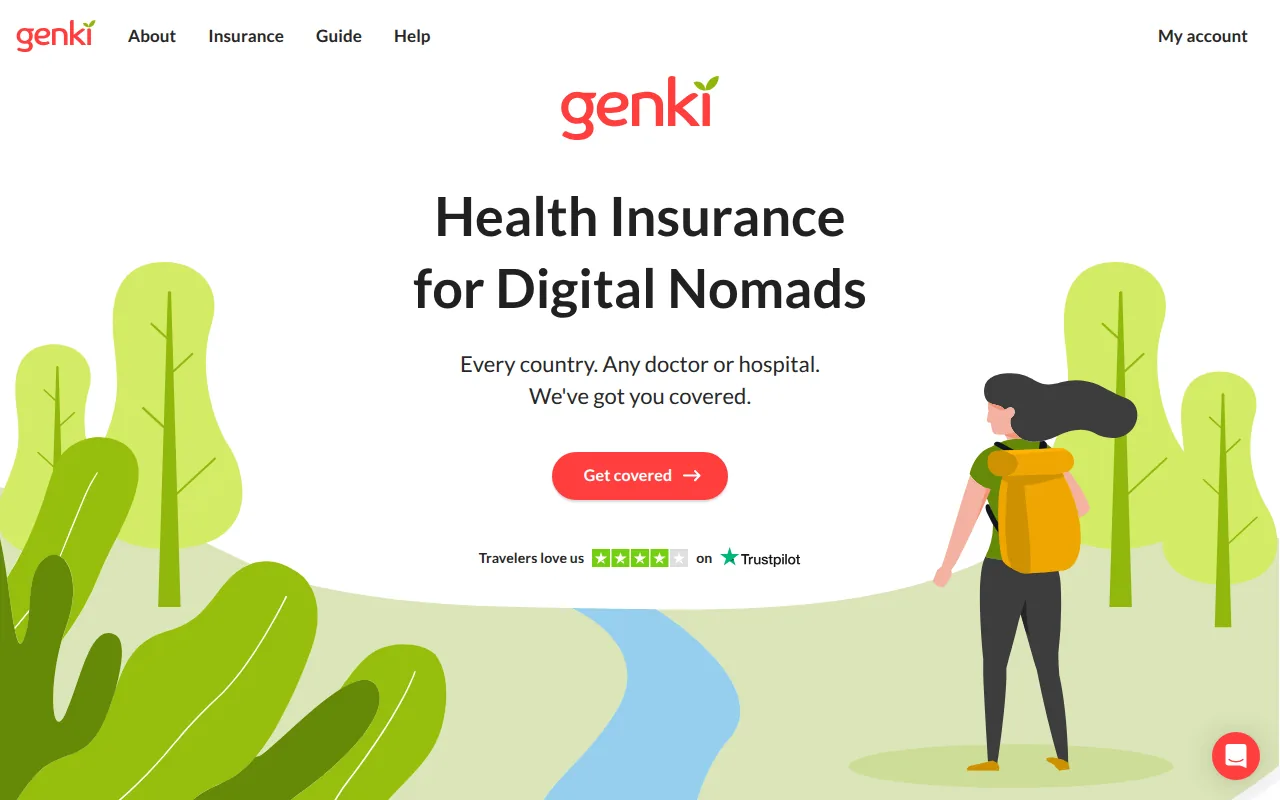
The Traveler plan starts from around €35 per month for a healthy 28-year-old on the worldwide-excluding-USA option. The medical coverage limit is €1,000,000 per insurance period, which converts to roughly $1.1 million. That sits well above the $250,000 median we found across 21 insurers. The Genki website also offers a Native plan for longer-term international residents who want routine care covered, not just emergencies.
Genki covers COVID-19 treatment like any other illness. It includes emergency dental up to €500 per case, and mental health inpatient treatment for a first-time disorder. Those are real features that most budget plans skip entirely.
The catch: preventative screenings aren’t covered, and the USA and Canada option carries lower annual limits (€1,000,000 on Basic vs. the full limit elsewhere). If you spend significant time in the US, factor that in when comparing costs.
Pro Tip: Genki lets you choose your deductible at sign-up. A €500 annual deductible meaningfully lowers your monthly premium. If you’re generally healthy and rarely visit doctors, that trade-off usually makes sense.
Insured Nomads was founded in 2019 specifically for digital nomads and remote workers. Their policies cover multiple countries with no need to update your location, which matters when you’re hopping between Southeast Asia and Europe in the same month.
The headline number is a high medical coverage limit. That’s more than what most providers offer and puts it in the same tier as plans costing significantly more. The company also issues a transactional card you can use to pay authorized medical bills directly, so you’re not always out of pocket waiting for reimbursement.
Insured Nomads donates a percentage of every purchase to an organization working to end modern-day exploitation. It’s a minor point for most buyers, but worth knowing. Their health insurance plans come in three tiers: Connect, ConnectOne, and ConnectThree. Pricing is on the higher end, especially for health coverage, but you can bring costs down by choosing a higher deductible or limiting your geographic region to Africa-only or Southeast Asia-only plans.
The downsides are real. Pre-existing conditions coverage is limited. The application process isn’t instant for health plans. And their claims workflow requires pre-authorization, which can feel slow if you’re used to app-based insurers. The Trustpilot rating sits at 4.2 out of 5, solid but not exceptional.
InsureandGo’s Nomad Insurance plan sits in a usable price range of $55 to $75 per month, with medical coverage over $1 million. It explicitly covers remote work, which puts it in a small minority. Only two providers in our 21-insurer review mentioned remote-work equipment protection as a named benefit. If you’re working with a laptop and camera on the road, that distinction matters.
The plan is designed for nomads who need multi-country coverage without the premium price tag of full international health insurance. It works well for people who are healthy, travel frequently across regions, and want solid medical protection without paying for extras they won’t use.
If you’re planning a longer stint in one place, pairing this with our guide on day trips from Lisbon gives you a good sense of what slow-travel in Europe actually costs month-to-month, insurance included.
One thing to verify directly: trip cancellation coverage. Our research found that 71% of digital nomad plans explicitly list no cancellation benefit. Check the current policy documents before assuming it’s included at this price point. Rates and terms can shift, so get a live quote rather than relying on any cached figure.
Key Takeaway: Remote-work gear coverage appears in fewer than 15% of nomad plans. If protecting your laptop is a priority, confirm it’s explicitly named in the policy, not just implied under “baggage.”
Heymondo’s Long Stay Insurance covers emergency medical costs, and the base plan includes electronics coverage at 50% of value. An optional add‑on raises that to 100%, which is worth it if you travel with a laptop, camera, or drone.
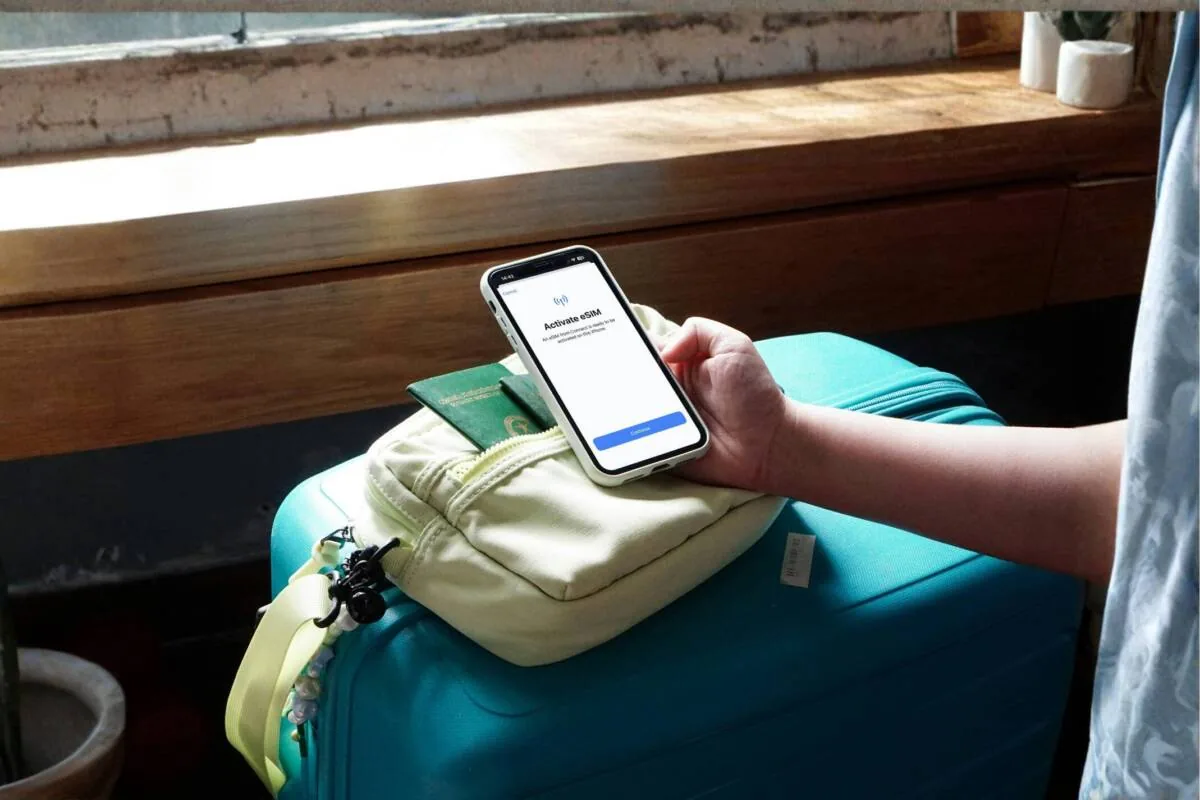
The research data lists Heymondo’s medical coverage limit at $100,000 for some plan tiers. Always check which tier you’re actually buying. The app includes a 24/7 medical chat function, which is genuinely useful when you’re in a country where you don’t speak the language and need a quick second opinion before deciding whether to go to a hospital.
Adventure activities are covered as standard for a wide range, including kayaking, snorkeling, and hiking. More extreme activities like canyoning or high‑altitude trekking require an add‑on. The initial Long Stay policy period is three months, after which you can renew in increments of 30, 120, 180, or 275 days.
The USA premium is notably higher, as with most providers. If your route doesn’t include the US, select the worldwide‑excluding‑USA option and save considerably. Heymondo is worth a close look if you’re an active traveler who wants real electronics protection baked into a travel policy rather than buying a separate gadget plan.
True Traveller is one of only two providers in our research that explicitly markets enhanced coverage for pre-existing conditions. The other is InsureandGo. At pricing in the $50 to $80 per month range, True Traveller sits in the same cost band as standard plans that exclude pre-existing conditions entirely. That’s a meaningful difference for anyone managing a chronic condition.
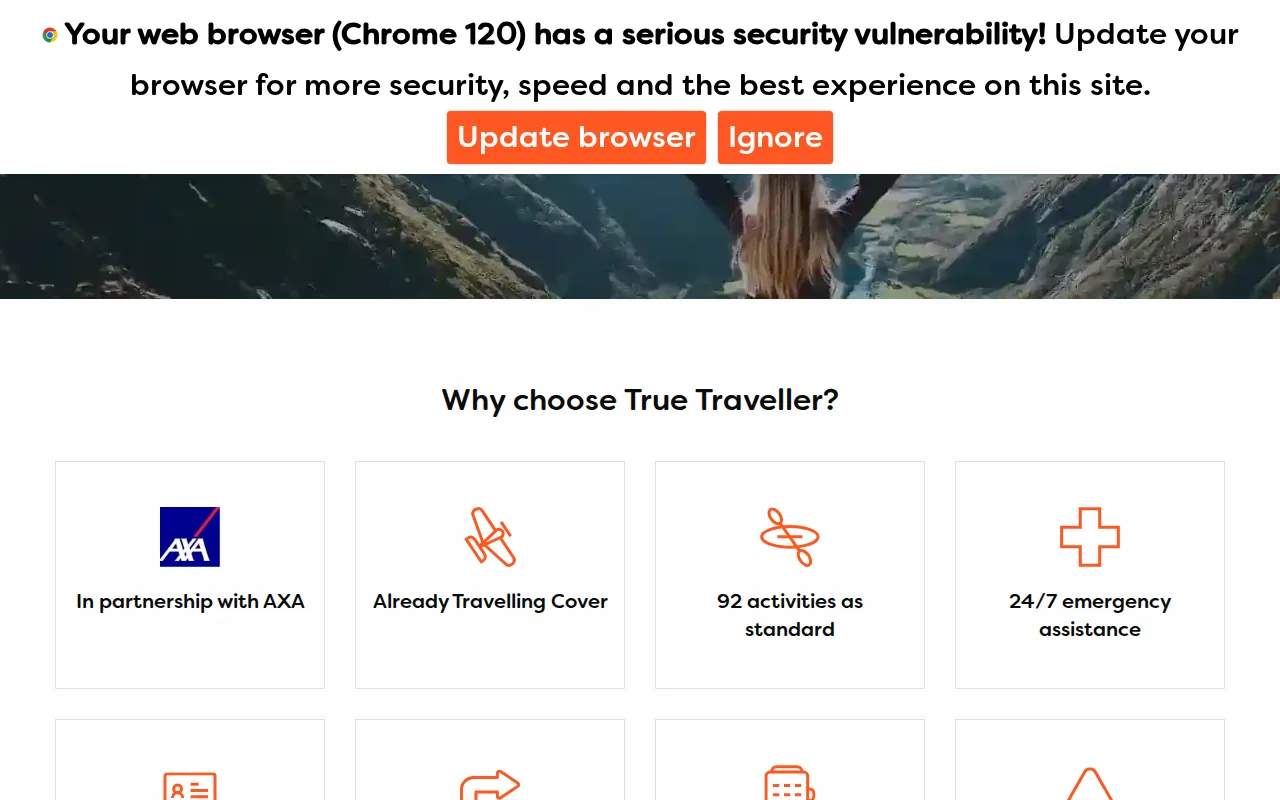
The policy is underwritten by a well-established insurance group, which matters for claims reliability. True Traveller offers three policy tiers: True Value (under-40s and backpackers), Traveller (the most popular), and Traveller Plus (enhanced medical and cancellation cover).
As standard, 92 activities are covered, including bungee jumping, horse riding, and scuba diving to 18 meters. Adventure, Extreme, and Ultimate activity packs extend that further, up to and including ice climbing and parachuting. Non-manual work is included as standard, which matters if you’re on a working holiday visa.
One firm limitation: True Traveller only insures residents of the UK and Europe. If you hold a US or non-European passport, this one isn’t available to you. That’s a hard stop, not a caveat.
Across our shortlist, the biggest differences aren’t in the medical limits. They’re in the extras most people forget to check.
| Provider | Medical Limit | Starting Price | Remote Work Gear | Pre-Existing Conditions | Best For |
|---|---|---|---|---|---|
| Dream Book Travel | — | — | — | — | Research & comparison guide |
| World Nomads | $100,000 (Explorer) | Varies by plan | Yes (up to $3,000) | No | Adventure sports |
| Genki | €1,000,000 (~$1.1M) | From ~€35/month | No | Yes (if disclosed) | Budget monthly plan |
| Insured Nomads | $2 million | Varies by age/region | No | Limited | High medical limit |
| Nomad Insurance (InsureandGo) | $1M+ | $55–$75/month | Yes | — | Value under $75 |
| Heymondo | $100,000 | Varies by plan/age | Yes (add-on for 100%) | No | Electronics coverage |
| True Traveller | Varies by tier | Varies | No | Yes (enhanced) | Pre-existing conditions |
Trip cancellation is the biggest gap across the board. Our analysis of 21 insurers found that 71% explicitly list no cancellation benefit. If refundable bookings matter to you, verify that directly before purchasing any plan on this list.
The single most important decision is whether you need emergency-only coverage or full outpatient care. Emergency-only plans cost roughly €40 to €65 per month. Add outpatient and some mental health coverage and the price increases. Full international health insurance with routine care starts at a higher monthly rate and goes up from there. Most digital nomads doing visa runs or moving every few months are fine with a solid emergency plan. Nomads staying six months or more in one country, or applying for a digital nomad visa, often need documented outpatient coverage.
After that, check these five things before committing:
One thing the guides won’t tell you: a higher price does not reliably buy better coverage. According to Wikipedia’s overview of travel insurance, policies vary widely in what they actually cover versus what they imply. Read the exclusions section as carefully as the benefits page.
If you’re also planning your next base, the Dream Book Travel guide to where to stay in Tokyo for first-time visitors covers neighborhoods that work well for remote workers, including co-working proximity and monthly rental costs.
Usually not. Standard travel insurance is built for fixed-duration trips with a return date. Most policies cap coverage at 30 to 90 days and won’t let you renew once you’ve already left your home country. Nomad-specific plans are designed for open-ended travel and allow rolling monthly renewals. If you try to use a regular policy for six months abroad, you’re likely uninsured for most of it.
A minimum of $250,000 is the usable floor for most destinations. Most plans in our review cluster between $250,000 and $1 million. Higher limits matter most if you spend time in the US, where a single hospital stay can run into six figures without insurance.
Yes, several providers allow this. Genki lets you sign up online even if you’re already abroad, and World Nomads also permits post-departure purchases. SafetyWing operates the same way. The key restriction is that you cannot claim for something that already happened before your policy started. Buy before you need it, not after you’re already sick.
Most don’t, at least not explicitly. Our research found that remote-work equipment coverage is mentioned by only a small minority of providers. World Nomads covers tech gear up to $3,000 under the Explorer Plan. Heymondo covers electronics at 50% of value by default, with a 100% add-on available. InsureandGo’s Nomad plan also names remote-work coverage. For everyone else, check the policy wording carefully before assuming your laptop is covered under baggage.
Many premium travel credit cards include built-in travel protections that cover trip cancellation and some medical emergencies, but they’re designed for short trips, not long-term nomadic travel. If you want to understand exactly what your card covers and where it falls short, the card issuer’s benefits guide breaks down the exact details. For nomads spending months abroad, a dedicated policy fills gaps the card simply doesn’t address.
Most plans exclude them. In our review of 21 insurers, 62% stated no pre-existing condition coverage. Only True Traveller and InsureandGo explicitly market enhanced coverage for pre-existing conditions, at pricing comparable to standard plans. Genki covers disclosed conditions if the insurer accepts them at underwriting. If you have an ongoing health issue, this should be your first filter when comparing plans, not an afterthought.
If you want one recommendation: Genki for budget-conscious nomads who move frequently, Insured Nomads if you want a high medical ceiling and don’t mind paying for it, and True Traveller if you’re a UK or European resident managing a pre-existing condition. Start by deciding whether you need emergency-only or full outpatient cover. That single choice narrows the field faster than any comparison table. Get a live quote from two or three providers, read the exclusions, and buy before you board. Dream Book Travel will keep this list updated as plans change.
Use this Edinburgh itinerary 3 days plan for honest sightseeing, transit tips, free stops, museums, budget notes, and what to skip.
Find the best areas to stay in London for tourists, with honest advice for first-time visitors, culture lovers, foodies, and theater fans.
Find the best Greek islands for families by travel style, beach access, activities, and travel-day tradeoffs. Honest picks and planning notes.