Edinburgh Itinerary 3 Days: A Practical Plan
Use this Edinburgh itinerary 3 days plan for honest sightseeing, transit tips, free stops, museums, budget notes, and what to skip.

The best time to visit Paris and London depends on what you refuse to compromise. Summer brings long days and less rain in Paris, but it also brings packed sights. For most travelers, we’d aim for late April through June or September through mid-October, then adjust for budget, events, and your tolerance for gray skies.
Spring is a strong answer for travelers asking about the best time to visit Paris and London. March and April tend to have lower visitor levels in Paris, while May gives you longer days and warmer afternoons.
March is still cool. Paris averages around 12°C for daytime highs in some climate summaries, and rain can arrive without much warning. London can feel similar, with damp mornings and a greater need for layers. The upside is space. March and April are low-crowd months.
April is often the easiest spring month for a mixed itinerary. Gardens begin to fill out, outdoor tables return, and you can plan a museum in the morning before walking outside in the afternoon. Pack a light waterproof jacket rather than relying on a small umbrella in windy streets.
May brings milder days, but it isn’t a free pass. May averages about 69 millimeters of rainfall, despite average temperatures near 19°C. That means you can get a warm day with a sharp shower in the same afternoon. Keep one indoor plan ready for each day.
Holiday dates can change the crowd picture. Easter can lift demand in April, while public holidays in May can bring extra domestic travel. A month marked as quiet can still feel busy during a holiday weekend. Check exact dates before booking a nonrefundable room.
Spring works well for travelers who want gardens, river walks, and outdoor neighborhoods without July heat. It also suits anyone who plans to visit major museums. You can spend two hours indoors, then walk for an hour without feeling like you’re melting into the pavement.
For flights, start watching fares before you lock your leave dates. Our guide to the timing of international flight bookings can help you set a search plan without treating one magic booking day as fact.

Our spring verdict is simple. Pick April if you want a quieter trip and don’t mind cool weather. Pick May if you care more about warmth and long outdoor days. Avoid the exact Easter or holiday weekend if crowd control matters most.
Summer is worth it when long daylight matters more than quiet streets. Paris records July as a warm month with an average temperature near 27°C and rainfall around 33 millimeters. August is a high-crowd month.
That trade-off affects the whole day. You may get bright weather for a Seine walk, yet wait longer at the Louvre or Eiffel Tower. A full schedule can turn into a queue schedule. Book timed entries where they exist, and place the most popular sight first thing in the morning.
July has a strong events calendar. Bastille Day on July 14 brings major public celebrations in Paris. Summer festivals and outdoor activity can add energy to both cities, but they can also close roads or fill public spaces. If an event is your reason for traveling, plan around it. If it isn’t, check the dates before choosing a hotel.
August is strange in Paris. Many residents leave for their annual holiday, so some neighborhood shops and restaurants close. Tourist areas remain busy because visitors still arrive. You can find calm on some side streets, but the local place you planned to visit may have a closed sign in the window.
Heat matters too. Older buildings may not have strong air conditioning, and underground transport can feel warmer than the street. Confirm the room’s cooling setup instead of trusting a vague listing. That small check can decide whether you sleep well.
Summer makes more sense for families with fixed school breaks. Children benefit from late sunsets and outdoor plans, even when the main sights are busy. It also suits travelers who want to sit outside late, take a river cruise, or build a trip around a major event.
We’d skip late July and August if your dream trip means quiet museums and long lunches at local spots. You can still have a good visit, but you’ll need more advance planning and more patience. Sunshine alone doesn’t erase a two-hour wait.
Early fall is our usual answer for travelers who want the best balance between weather and crowds in Paris and London. September and October are often lower-crowd months, while temperatures remain workable for long days outside.
September starts warm, then cools as the month moves on. That gives you flexibility. Wear light clothes for the afternoon, then add a layer for dinner. London may bring more showers, so keep your outer layer close rather than buried in your suitcase.
October is cooler. That’s comfortable for walking if you dress well. It’s less comfortable if you expect summer heat and pack only thin shirts. This is a city trip, not a beach trip.
Fall also changes how major sights feel. Crowds ease after summer, though popular museums won’t become empty. You may still need timed tickets for the Louvre, the Eiffel Tower, or Westminster Abbey. The difference is that the rest of your day has more room to breathe.
Watch the events calendar before booking late September dates. Paris Fashion Week can raise demand around certain weeks, even when the wider month has lower crowd levels. The same principle applies to London events, where a large conference or match can affect room supply without changing the weather.
Early October is a good fit for couples, photographers, and travelers who spend most days walking. It also works for professionals using limited paid leave. You can see a lot without giving every day a punishing start and finish.
There is one catch. Fall weather can shift fast, and the days shorten as October continues. Plan outdoor sights for midday. Keep evening plans near convenient public transit when rain is likely.
Pro Tip: Compare your dates against school holidays, large events, and trade shows before checking hotel rates. A quiet month can still have one very expensive week.
Winter works for a museum-first trip, a low-crowd plan, or a festive December visit. It is a poor fit if you want warm evenings and long walks every day. Paris temperatures can sit near 7°C in January, while February averages near 9°C and has low tourist levels.
March, October, and November are low-crowd months. That pattern makes these periods attractive for travelers who hate queues. You can spend more time looking at art instead of looking at the back of someone’s coat.
The cost is daylight. Outdoor sightseeing needs a tighter schedule because darkness comes earlier. Put parks, viewpoints, and long neighborhood walks in the middle of the day. Save museums, markets, and long meals for late afternoon.
February can be a good middle ground. It stays cold, but days grow longer than in January. It has low tourist levels, and winter events can give the trip a clear focus. Valentine’s Day may suit couples, though you should reserve dinner if that weekend matters to you.
December splits into two different trips. The first part brings Christmas lights and seasonal markets. The week between Christmas and New Year can bring a sharp crowd and price jump. If you want festive streets without the holiday crush, choose early December instead.
London and Paris both reward a layered packing plan. Wear shoes that can handle wet pavement. Bring a warm mid-layer. Keep a compact rain shell in your day bag. You don’t need a huge wardrobe, but you do need clothes that work when the forecast changes.
Winter also has closures. Some small restaurants and shops take breaks after the holiday rush. Check opening hours before you make one venue the reason for a full day. A flexible plan protects you from a locked door and a cold walk across town.
The United Kingdom can have conditions that vary by region and season. That broad label won’t tell you whether your exact travel week will be wet. Check the forecast close to departure, then adjust your day plan instead of trying to predict every shower months ahead.
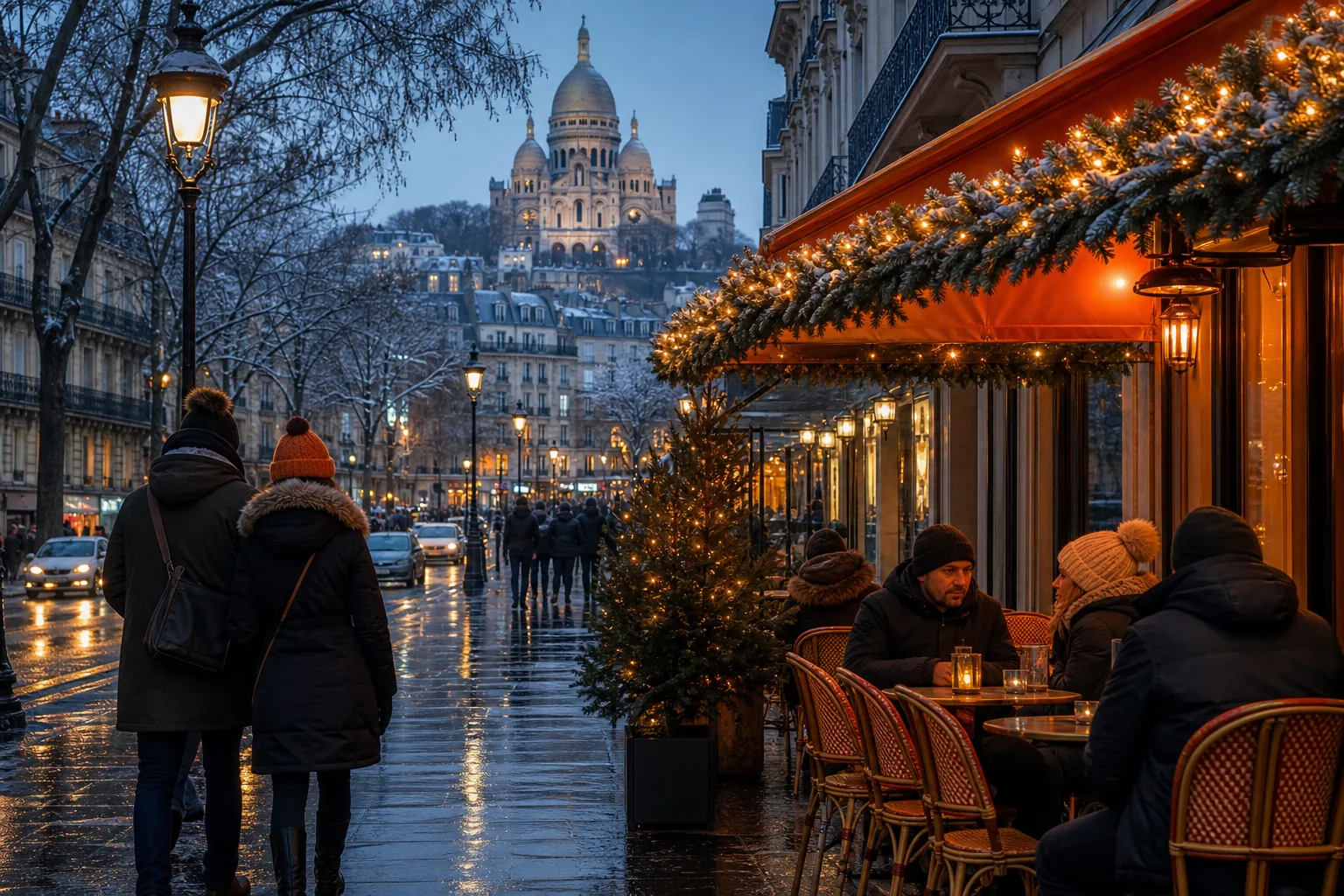
Winter is worth choosing when museums, food, and low crowds matter more than blue skies. We’d skip it for a first trip built around gardens and outdoor views unless your dates leave no other option.
September is the safest single-month choice for many travelers because Paris crowds ease after summer while temperatures remain comfortable. May and early June also work well, especially for gardens and long evenings. The right month depends on your dates, budget, and tolerance for rain. Check major events before booking either city.
Summer is a good fit if you want long daylight and outdoor events. It is also often a busy period at many major sights. Book timed entries early, confirm air conditioning, and expect some local businesses to close during August.
Winter is usually the season travelers check first for lower rates, though exact hotel prices vary by date and event. January and February have low Paris crowd levels, while December becomes more costly around Christmas and New Year. Compare the full room rate before assuming a cheap flight means a cheap trip.
April can be rainy in both cities, but showers don’t have to ruin the trip. Pack a hooded waterproof layer and plan one indoor stop each day. Paris crowd levels are listed as low in April, so many travelers accept changeable weather for shorter queues and more room at popular sights.
Ten days gives most first-time visitors five days in each city, which is a workable pace. Seven days is possible, but you’ll need to cut day trips and limit major sights. Add travel time between cities to your plan. A rushed transfer day can cost more energy than the train ride itself.
Choose late April through June or September through mid-October if you want the most balanced trip. Pick winter for quieter museums and lower demand, or summer when long days and events matter more than crowds. Once you have a travel window, use Dream Book Travel to shape the route, then set a flight price alert and book around the dates that fit your priorities.
Use this Edinburgh itinerary 3 days plan for honest sightseeing, transit tips, free stops, museums, budget notes, and what to skip.
Find the best areas to stay in London for tourists, with honest advice for first-time visitors, culture lovers, foodies, and theater fans.
Find the best Greek islands for families by travel style, beach access, activities, and travel-day tradeoffs. Honest picks and planning notes.