Edinburgh Itinerary 3 Days: A Practical Plan
Use this Edinburgh itinerary 3 days plan for honest sightseeing, transit tips, free stops, museums, budget notes, and what to skip.
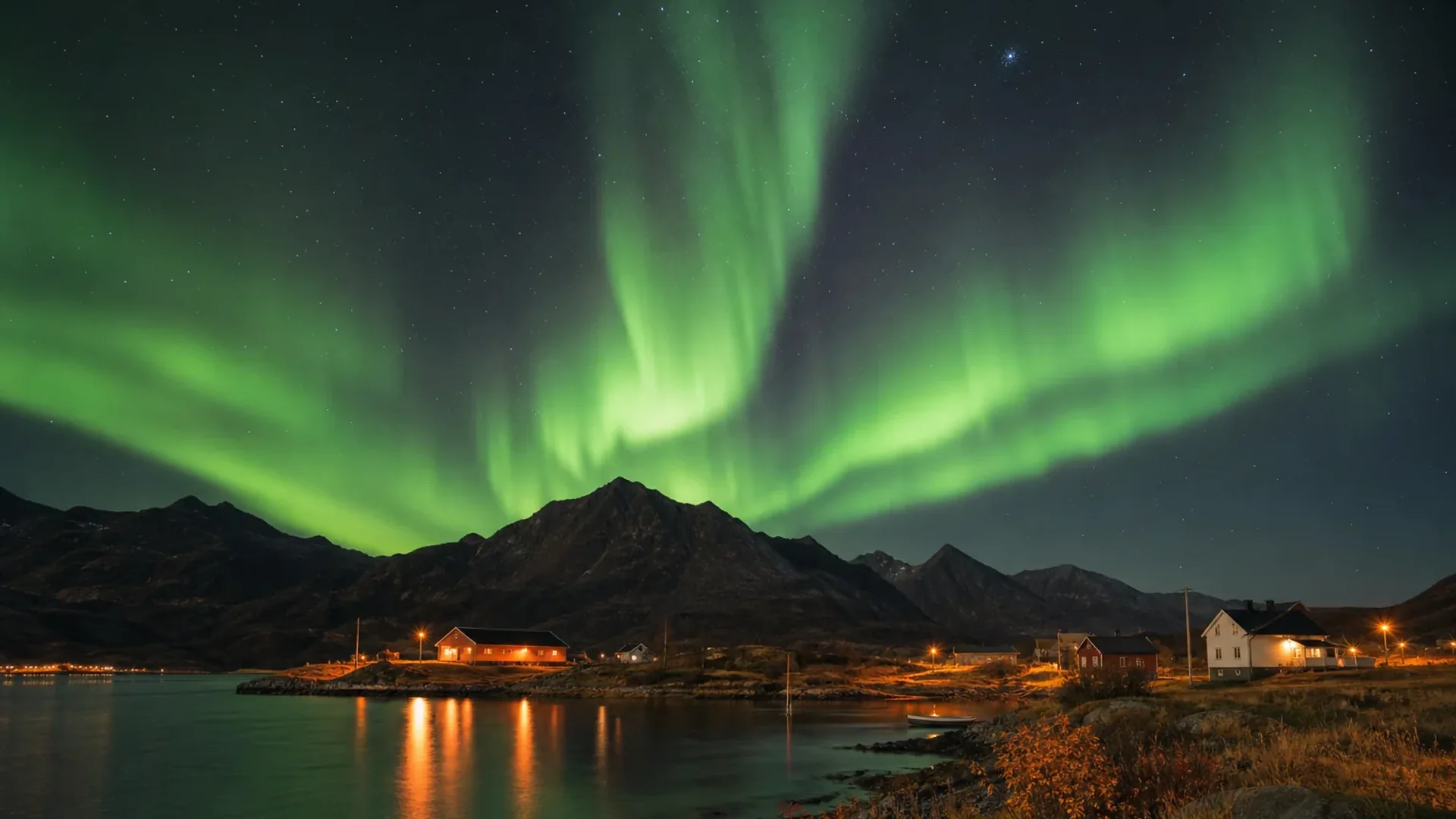
Most travelers picture deep winter when they think about the northern lights. But Norway’s autumn months also show strong aurora activity, and they can be far easier to enjoy than the coldest part of winter. We’ll help you choose a month, plan for cloudy nights, and build a trip that still feels worth the cost if the sky stays dark.
The right month for a Norway northern lights trip depends on what you want to do between viewing attempts. Think of the aurora as one part of the itinerary, not the entire itinerary.
| Travel window | What it suits | Main trade-off |
|---|---|---|
| September to October | Milder nights and strong reported aurora activity | Autumn storms and less snow |
| November | Growing darkness and the start of the core season | Weather can shift as autumn gives way to winter |
| December to January | Deep darkness and a full winter setting | Cold, limited daylight, and holiday demand in December |
| February | Snowy scenes with more daylight returning | Winter travel still needs spare time for delays |
| March | Day activities with continued aurora chances | The main tourist season is winding down |
| April to August | Daylight-focused Norway trips | Darkness is too limited for normal aurora viewing |
September and October work well if you dislike standing outside in severe cold. The nights are dark enough for viewing, but the ground may look more like autumn than a snow globe. Rain is also possible, so pack for wet weather rather than assuming every night will be crisp and dry.
November through February gives you the deepest winter feel. Warm layers and proper footwear matter in winter.
February is our usual month to consider first for a balanced trip. Snow often supports the classic Arctic look, while daylight returns for sightseeing. You can spend the day outside without waiting for darkness, then leave the evening open for an aurora attempt.
March can still work, especially if you care about daytime activities. Viewing gets harder as April approaches because the sky stays light for longer.
Skip April through early August if the aurora is your main goal. The north experiences very long daylight in this period, and the sky doesn’t get dark enough for normal viewing. Norway may still be worth visiting then, but it becomes a different trip.
If your dates are flexible, compare this choice with our month-by-month Europe travel guide. It can help you decide if Norway fits your wider season plan or if another part of Europe makes more sense for the same travel window.
The best time to visit Norway for northern lights is any period when darkness and clear skies meet. That sounds simple. In practice, clouds cause more failed attempts than a weak forecast.
Give yourself several nights in one northern base. We’d choose four nights as a floor and five nights when the trip budget allows it. A short visit can work, but it leaves little room if the first evening brings rain or a canceled tour.
Stay somewhere that lets you change plans. A city base gives you cafes, museums, and indoor options. A rural stay gives you less light pollution and faster access to dark ground. Neither is always right. Pick the one that matches your comfort with driving at night.
Tromsø is a sensible base for many first-time visitors because it has city services alongside access to the surrounding countryside. Downtown light can weaken what you see, though. If a forecast looks promising, move away from the brightest streets or join a tour that checks conditions outside town.
A tour can help when you don’t know the roads or can’t read changing weather patterns. Look for a trip with a long viewing window and a plan for moving toward clearer skies. Ask what happens if the weather blocks the route. A warm vehicle and a patient guide matter more than a flashy promise.
You can also watch the sky on your own if you have a dark place and safe transport. Keep your plan flexible. The lights may appear for a short burst, then fade before you reach a viewpoint.
Forecasts help most when the trip is close. Long-range predictions can suggest patterns, but they can’t tell you whether your exact viewing spot will stay clear. Check the forecast a few days before each outing, then check again on the day.
Photography adds another planning detail. Long exposures make a tripod useful, while a phone can capture basic images in the right conditions. Don’t spend your whole night staring at a screen. Watch first. Take the photo once the sky gives you something worth keeping.
Key Takeaway: More nights beat perfect timing. Build spare evenings into the itinerary instead of treating one forecast as a promise.
Choosing a month means weighing aurora activity against how much day you want for the rest of Norway. The numbers can point you in one direction, while your body and budget point you in another.
The darkest conditions can help you see fainter displays, but they can make the daytime feel short and the cold feel constant.
January gives you the deepest winter atmosphere. It suits travelers who want snow, long dark hours, and evening viewing without waiting until midnight. It’s a poor match if you need mild weather or want to fill every day with long outdoor walks.
February is easier for many travelers because daylight begins to return. You can photograph snowy scenes with more natural light, then head out again after dark. It still feels like winter, so don’t mistake “milder” for warm.
The trade-off is less snow and less stable weather. If you want a winter postcard, these months may disappoint. If you want comfortable daytime travel, they may fit better.
The main tourist season is largely over by this stage. That can make the trip feel calmer, but you still need enough darkness for a sighting.
Visit Norway explains that the aurora is caused by charged particles from the sun colliding with gases in Earth’s atmosphere. for the basic science behind the display and the conditions needed to see it.
One more warning: our collected month data doesn’t include full cloud-cover records, daylight totals, or accommodation prices. That gap matters. You’ll need to check local weather history and current room rates before booking, rather than trusting an activity score alone.
For 2026 travel, we’d set the decision rule this way: choose December through February for darkness and snow, September through October for less severe cold, or late February through March for a useful middle ground.
A strong Norway itinerary has things you’ll enjoy even if the northern lights stay hidden. That is the part many trip plans skip, and it’s how a costly journey turns into a nightly wait beside a hotel window.
For a first visit to Tromsø, five days gives you a better shape than a rushed weekend. Keep three evenings open for aurora attempts. Place active daytime plans between them, then leave at least one lighter day for bad weather or lost sleep.
Trip costs vary by budget, mid-range, or luxury plan and exclude flights. Check current rates before you commit.
Daytime plans should match the month. Snow activities make sense in deep winter. A fjord outing or city day can work across more of the season.
We’d skip a three-day trip if the lights are the main goal. It can fit one or two attempts, but a canceled tour or cloudy night leaves little room to recover. A short trip is fine when the aurora is a bonus. It’s a weak plan when the aurora is the only reason you’re going.

Dream Book Travel recommends booking the flight only after you’ve checked the full travel window. Use our guide to booking international flights to set a price alert and compare dates around your preferred month.
Then make one final check: would you still enjoy this trip if every aurora tour came back empty? If the answer is yes, you’ve built a sound itinerary.
February is a good fit if you want snow with more daylight for daytime plans. September and October also deserve a look because official tourism guidance and other research mark autumn as a high-activity period.
September can work well for northern lights viewing in Norway because darkness returns and reported activity is high. Nights are usually less severe than deep winter, but snow may be limited and autumn weather can shift fast. Choose September if comfort matters more than a fully snowy Arctic scene.
You generally can’t see the Northern Lights in northern Norway during the bright summer months. The aurora may still occur, but the sky doesn’t become dark enough for normal viewing. Visit in late August or later if the lights are your goal, and choose summer only when daylight activities matter more.
Stay at least four nights in northern Norway for a fair weather buffer. One or two nights leave you exposed to clouds, canceled tours, or weak activity. Five days gives you room for three evening attempts while keeping daytime plans intact.
Tromsø is the stronger base for a dedicated northern lights trip because it lies far north and gives you access to darker areas outside the city. Oslo is a poor base for this goal because light pollution and its southern position make strong displays rare. Use Oslo as part of a wider Norway trip, not as your main aurora base.
For most travelers, we’d choose late February or early March for the balance of snow, daylight, and continued aurora chances. Pick December through February if darkness is your top concern, or September through October if cold is the deal-breaker. Next, reserve at least four nights in the north and build daytime plans you’d enjoy under a cloudy sky.
Use this Edinburgh itinerary 3 days plan for honest sightseeing, transit tips, free stops, museums, budget notes, and what to skip.
Find the best areas to stay in London for tourists, with honest advice for first-time visitors, culture lovers, foodies, and theater fans.
Find the best Greek islands for families by travel style, beach access, activities, and travel-day tradeoffs. Honest picks and planning notes.