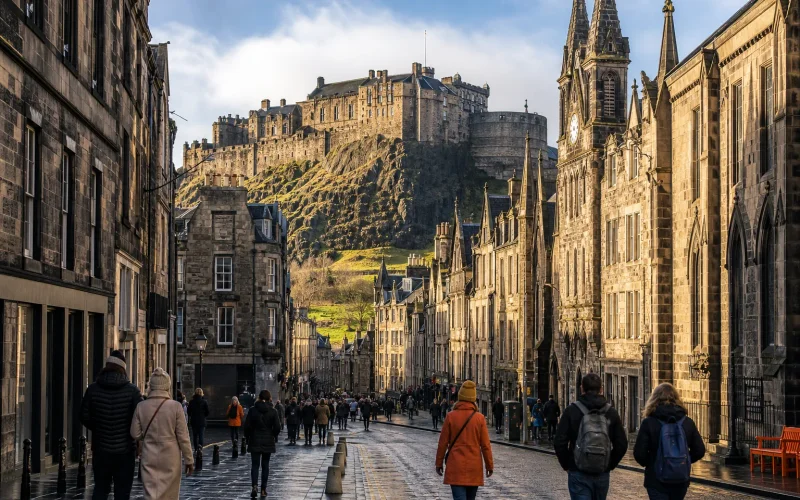
Edinburgh Itinerary 3 Days: A Practical Plan
Use this Edinburgh itinerary 3 days plan for honest sightseeing, transit tips, free stops, museums, budget notes, and what to skip.
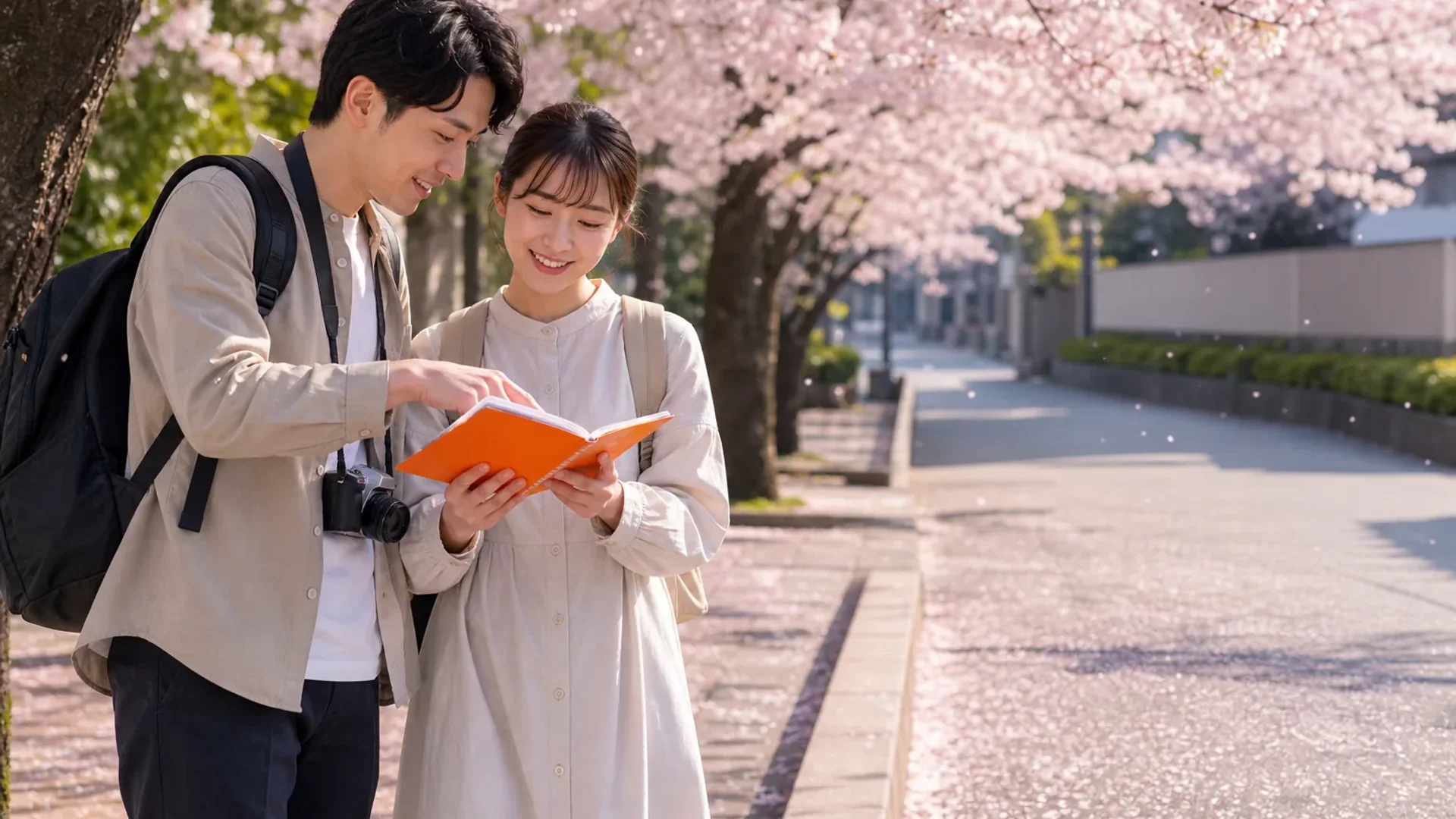
Cherry blossom season in Japan is a moving target, not a single week on the calendar. The right dates depend on the region you choose, how much flexibility you have, and whether you can handle peak-season crowds. We use this five-step plan to match your trip with the bloom window instead of chasing one perfect day.
The best time to visit Japan for cherry blossoms changes as the bloom front moves north. Southern areas usually bloom first, while Tohoku and Hokkaido give you later options.
Most travelers aim for Tokyo and Kyoto in late March or early April. That window is popular for a reason, but it is also the least forgiving. A warm spell can bring peak bloom forward. Rain or cold can slow it down.
Use regional dates as planning ranges, not promises. The table below shows estimated best viewing windows. “Best viewing” includes the days near full bloom, when petals may still look strong before they fall.
| Region or city | Estimated viewing window | Good fit for | Main trade-off |
|---|---|---|---|
| Tokyo | March 28 to April 4 | First-time city trip | High demand during the core window |
| Kyoto | March 29 to April 5 | Temples, gardens, and walks | Popular paths feel packed |
| Osaka | April 1 to 7 | City break with nearby day trips | Dates may differ from Tokyo |
| Kanazawa | April 2 to 9 | A later central Japan stop | Needs extra route planning |
| Takayama | April 8 to 13 | Mountain town scenery | Later bloom and longer transfers |
| Sendai | April 6 to 12 | A northbound extension | Less useful for a short trip |
| Hirosaki | April 16 to 21 | Late-season flower hunting | Far from the classic route |
| Sapporo | April 21 to 28 | Late spring travel | Too late for Tokyo’s peak |
These ranges are estimates, and methods vary by location. For major cities, estimates draw on on-site observations and a prediction method. Other places use first-opening forecasts from the Japan Weather Association.
There is also a useful split between first bloom and full bloom. First bloom means the first flowers have opened. Full bloom comes later. You do not need to arrive on the exact full-bloom date to enjoy the season.
For a short trip, pick one core region. For a longer trip, move north as the season moves. A route through Tokyo, Kyoto, then Kanazawa gives you more flexibility than placing every night in Kyoto. If Kyoto is your main goal, our Kyoto seasonal guide helps weigh blossom timing against weather and crowd levels.
Okinawa follows a different calendar, with blossoms much earlier than the main island route. Hokkaido is the late option. That spread is your safety net.
Forecast updates help you refine the best time to visit Japan for cherry blossoms, but they cannot tell you exactly what one park will look like on arrival.
Start by checking a national forecast to see how the sakura front is moving. The season can run from the latter half of March into early May, with southern areas starting first and northern areas finishing later.
Japan’s common Somei Yoshino trees often get most of the attention. Yet parks can contain several types of cherry tree. One site may still look good after another has lost its petals.
Check updates in this order:
Do not rebuild your trip every time a date shifts by one day. Forecasts change with weather, and blossom timing can move several days. Keep two or three likely viewing days open in your main city.
We also recommend checking conditions at opening time. Famous paths are calmer early in the day. Night illuminations can be lovely, but they draw another wave of visitors. If rain is due, visit the most exposed riverside spots first, then save covered sights for later.
Keep screenshots of your forecast notes if your phone service is weak. A small paper plan also helps when station crowds slow you down. Forecasts are guides. Your route still needs room for weather.
A weather-proof route gives you more than one way to enjoy cherry blossoms in Japan. It keeps one rainy afternoon from wrecking the whole trip.
Build each day around one outdoor anchor. That might be a riverside walk, a castle ground, or a temple garden. Then place an indoor stop nearby. Museums, markets, cafés, and covered shopping streets can fill the gap when wind strips petals from the trees.
Use the three-stop rule:
That is enough for most sightseeing days. You need time to cross stations, find the right exit, wait for food, and pause when your feet hurt. Japan’s rail system is precise, but a packed itinerary still fails when one train is delayed.
For Kyoto, avoid placing every famous site on the same day. Spread your walks across different parts of the city. The Philosopher’s Path and Arashiyama are popular examples, but the better choice depends on where you sleep and how much time you have.
For Tokyo, pair a large park with a neighborhood you can enjoy in poor weather. If rain arrives, you can shorten the outdoor walk without losing the day. Osaka can work well as a base for flexible day plans because its viewing window may differ from Tokyo’s.
Hanami means enjoying flowers, often through a picnic or gathering beneath the trees. Follow local rules at each site. Keep paths clear, take rubbish with you, and do not reserve space with tape unless the location allows it.
Night viewing needs a little care. Paths can be dark outside the lit areas, and wet ground becomes slippery. Stay on marked routes. Use a small light when needed, but do not shine it into people’s faces or disrupt photos.
We would skip a long day trip when heavy rain is forecast. The train ride may still run, but the view you paid the travel time to see could vanish behind cloud and spray. Keep one nearby option in reserve instead.
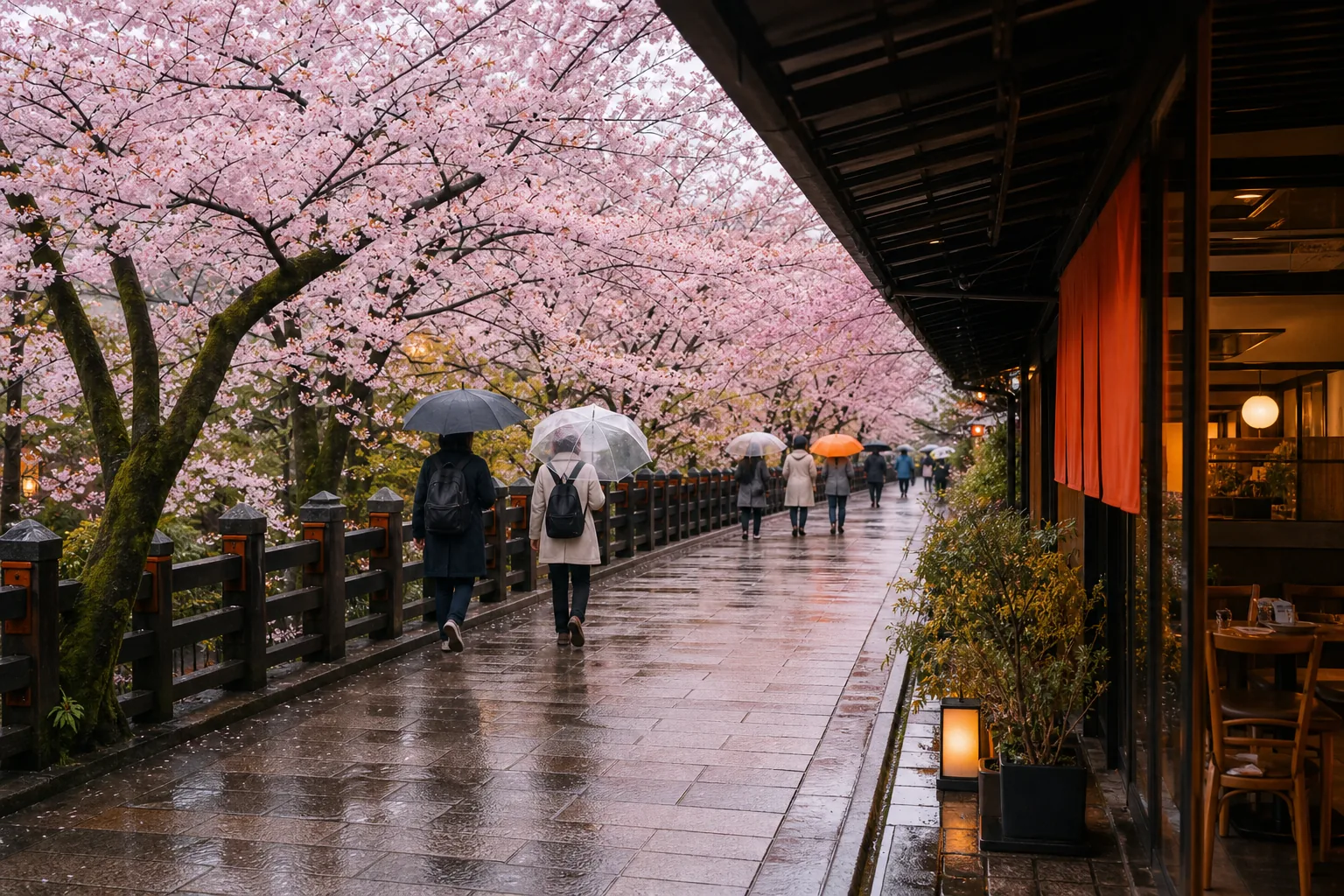
Booking around the bloom window means protecting flexibility before you lock every night into place. Cherry blossom season brings strong demand, so waiting for perfect forecast certainty can leave you with poor room choices.
Book cancellable accommodation when possible. That gives you a way to shift cities if the forecast changes. A room near a major station can save time, but do not pay a large premium for a blossom view unless that view is the point of your trip.
We also suggest an open-jaw flight when it fits your route. Arriving in Tokyo and leaving from Osaka can remove a needless return trip. Compare the full fare against the cost of getting back to your first airport before deciding.
Flight prices vary by origin, so use a price alert. Our guide to the cheapest time to fly to Japan covers the trade-off between lower fares and less certain bloom timing.
For trains, map your long transfers before buying tickets. Buying travel in a bundle may save money on a route with several long journeys, but it can cost more than individual tickets on a compact city trip. Do the maths for your exact plan.
Within cities, a contactless transit payment method can make daily travel easier. The balance pays fares as you go. Keep a backup payment method because machines and small shops may not accept every card.
Accommodation prices can rise during peak bloom. If your dates are fixed, book the cities you must visit first. If your dates are flexible, hold a cancellable room in two possible regions, then release the one you do not need once the forecast firms up.
A remote or flexible work arrangement can make a longer bloom window possible. If that applies to you, a general employment resource may help you explore flexible work options before setting your travel dates. Do not assume work will be simple abroad. Check your employer’s rules, time-zone needs, and visa limits first.
Use the forecast to make the final adjustments. Use bookings to protect the trip you can afford.
Late March and early April suit Tokyo, Kyoto, and Osaka in many seasons. The exact window changes by weather and region. Southern Japan can bloom earlier, while Tohoku and Hokkaido often bloom later. If you need one broad planning window, choose the last week of March through the first week of April for the classic central route.
Full bloom often lasts only several days when weather stays calm. Wind and heavy rain can shorten the display. You can still enjoy flowers before full bloom or during petal fall, so plan several viewing chances instead of one fixed morning. That approach makes the best time to visit Japan for cherry blossoms less fragile.
Yes, the main cities can be very busy during peak bloom. Famous parks, temples, riverside paths, and trains all see higher demand. Visit major sites early, travel on weekdays when you can, and keep one less famous area in your route. Hokkaido and parts of Tohoku offer later timing with a different crowd pattern.
Yes, May can work in Hokkaido and some higher mountain areas. It is usually too late for the main Tokyo and Kyoto bloom. Sapporo and Hakodate have later windows than central Japan, so May suits travelers who can shape the trip around northern regions. Check the latest local forecast before booking nonrefundable plans.
Yes, book key rooms before the forecast becomes certain, but choose free cancellation when possible. The most popular dates can fill while forecasts are still changing. Hold a sensible base in your must-see city, then adjust optional nights once local updates give you a clearer picture.
For a first Japan trip, I recommend late March through early April with at least two or three flexible viewing days. Base yourself in Tokyo or Kyoto, then add a northbound stop only if you have enough time. Set a fare alert now, shortlist cancellable rooms, and let the forecast fine-tune your route rather than dictate every hour. Dream it. Plan it. Live it with room for weather.
Use this Edinburgh itinerary 3 days plan for honest sightseeing, transit tips, free stops, museums, budget notes, and what to skip.
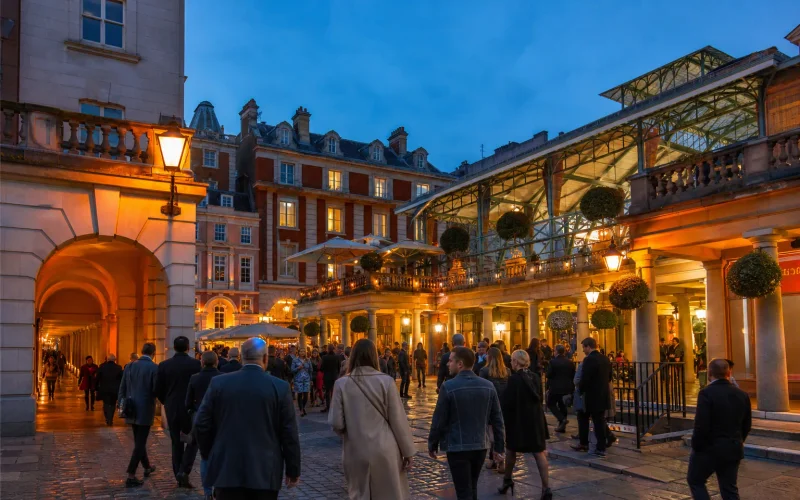
Find the best areas to stay in London for tourists, with honest advice for first-time visitors, culture lovers, foodies, and theater fans.
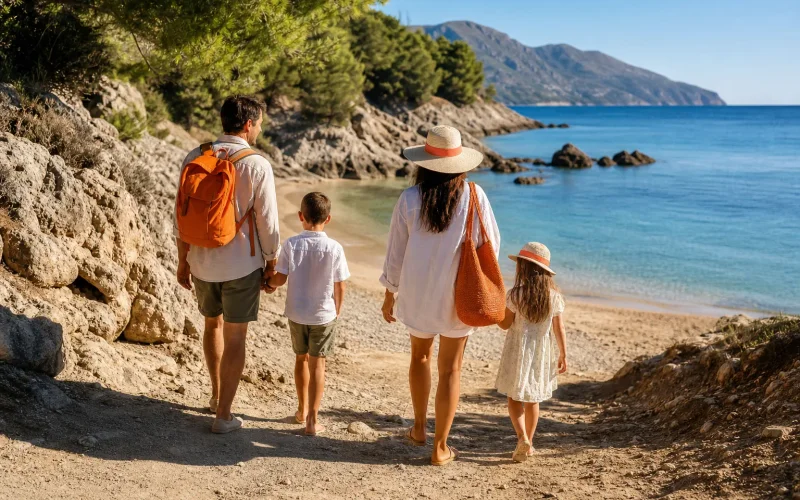
Find the best Greek islands for families by travel style, beach access, activities, and travel-day tradeoffs. Honest picks and planning notes.