Edinburgh Itinerary 3 Days: A Practical Plan
Use this Edinburgh itinerary 3 days plan for honest sightseeing, transit tips, free stops, museums, budget notes, and what to skip.
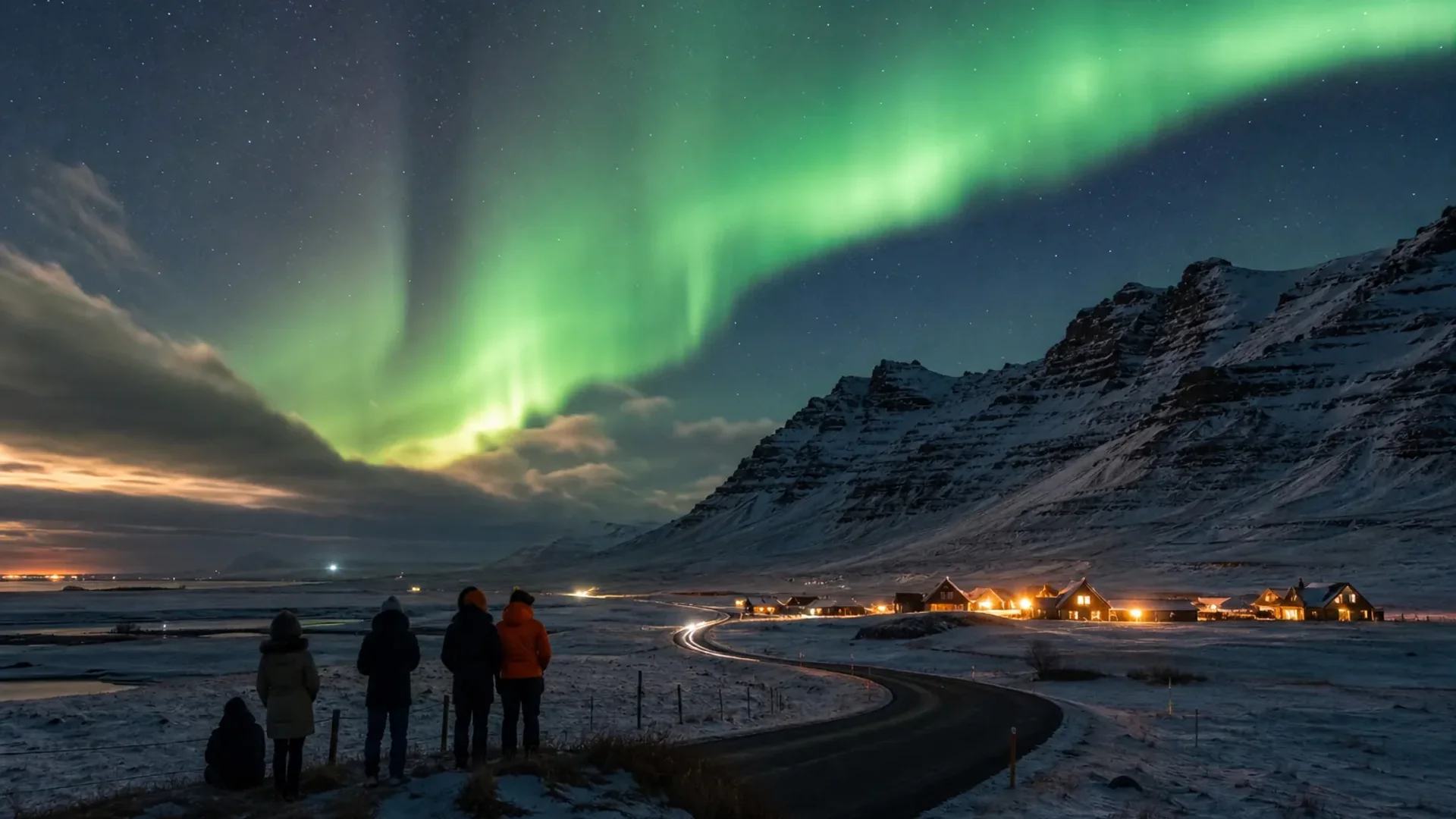
Iceland’s northern lights season has one sharp catch: strong aurora activity means little if the sky never gets dark. June and July have very low viewing potential, while January, February, April, September, November, and December pair dark nights with high expected activity. We’ll help you choose the month, plan flexible nights, and fit the rest of the trip around the forecast.
The best time to visit Iceland for northern lights depends on how much daylight you want during the rest of your trip. More darkness helps the aurora hunt. More daylight gives you longer windows for drives, hikes, and sights.
Think of the year as a sliding scale. March sits around 10 to 13 hours, while October has about 8 to 11 hours.
That makes March and October useful compromise months. They aren’t listed with the same high aurora label as some other months in the dataset, but both are tagged for northern lights viewing. You’ll have enough daylight for a full day out, followed by a reasonable night hunt.
| Month or period | Darkness and aurora fit | Choose it when | Watch out for |
|---|---|---|---|
| January to February | High aurora activity, very short days | The lights are the main goal | Less daylight for long drives and outdoor stops |
| March to April | Good viewing window with more daylight | You want daytime adventures too | Weather can still change fast |
| May | Long days, weaker night window | You care more about daytime travel | Dark viewing time shrinks |
| June to July | Very low activity and near-total summer light | Only if the aurora isn’t important | Skip these months for an aurora-led trip |
| August | High activity by month end, long daylight early on | You want late summer travel with a chance to see lights | Choose the final part of the month |
| September to November | High activity with growing darkness | You want a balanced first aurora trip | Fall storms can affect self-drive plans |
| December | High activity and long nights | You want deep winter darkness | Road and tour changes are more likely |
Spring deserves more credit than it gets. April still has high aurora activity in the source data, yet it gives you more usable daytime hours than deep winter. That can make the trip feel less like a long wait in the cold.
Autumn works well for a different reason. September, October, and November let you see more of Iceland before the darkest part of winter. You may still have snow-free stretches, though conditions can shift quickly. If you plan to drive, leave room to change the route.
For flight planning, use a flexible travel window instead of one fixed weekend. Dream Book Travel’s guide to how far in advance to book international flights can help you set alerts before you commit to dates.
Our honest pick for most first-time visitors is September or April. Choose January or February when darkness matters more than daytime sightseeing. Choose late August only when you can accept a weaker chance at the start of the month.
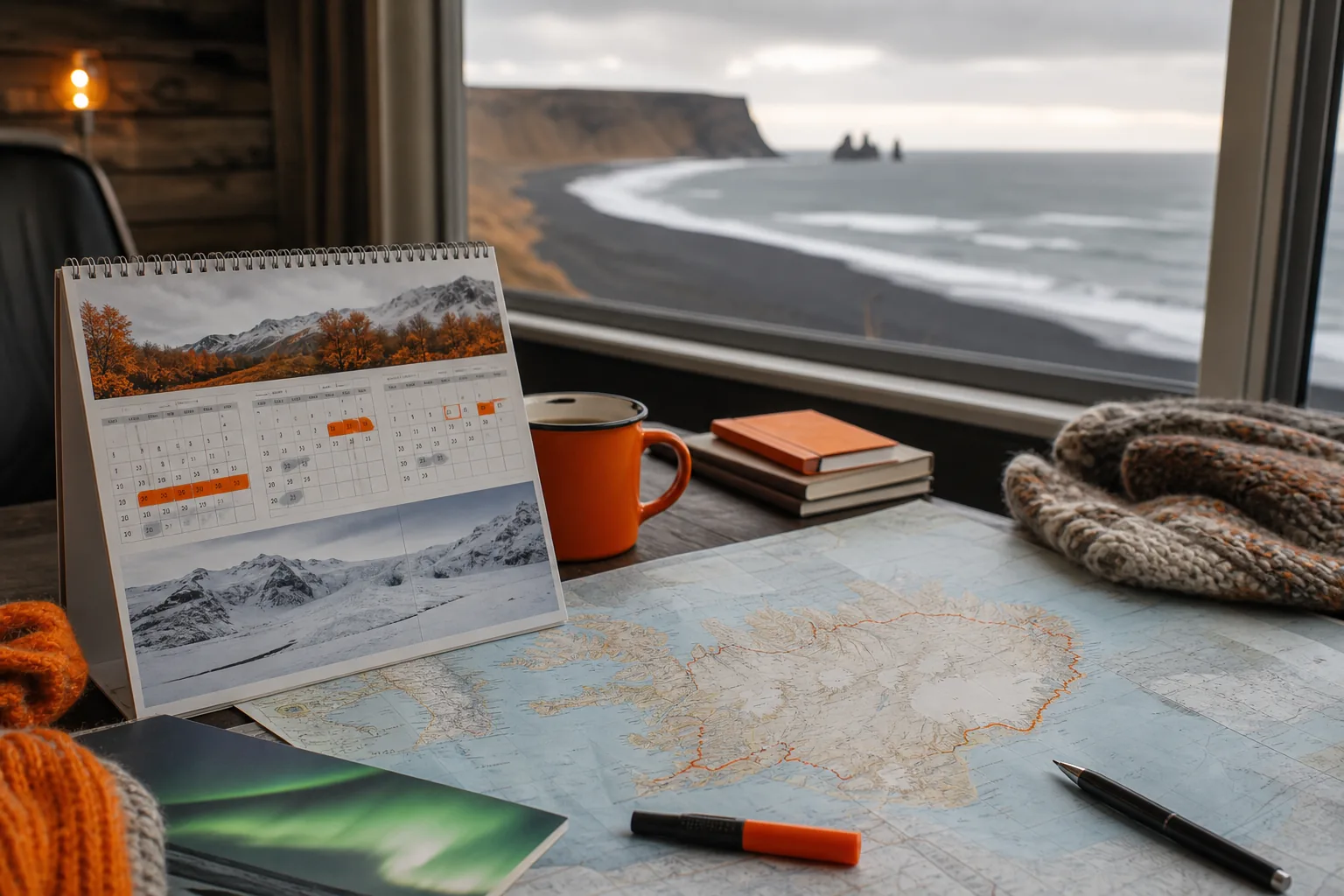
One warning: month ratings don’t include cloud cover or accommodation cost. The dataset has no figures for either. Before booking, pair the monthly guide with current weather checks and a budget review.
Seeing the aurora in Iceland takes more than choosing a strong month. You need enough nights for the weather to give you a clear gap.
We suggest planning at least three nights when the northern lights are a key goal. That isn’t a guarantee. It simply gives you more than one chance if clouds cover the sky or a tour can’t run.
Build flexibility into the middle of your trip, not only the final night. If the forecast turns poor, you can shift an evening drive or move toward a darker area. A rigid itinerary leaves no room for that choice.
Darkness is only part of the setup. Cloud cover can hide the aurora even when solar activity looks promising. Check the official Visit Iceland travel information before you head out, then review the latest road and weather updates on the day.
Reykjavík can work for a quick sighting, but city lights reduce contrast. If you stay in the capital, plan to move away from bright streets. A countryside stay gives you a darker base, though it can also make transport harder during poor weather.
You have three broad ways to handle the night hunt:
Don’t chase a clear patch blindly across the island. A late-night drive on icy roads can cost more than a missed sighting. If conditions are poor, staying put is the right call.
The strongest viewing window is often late evening or around midnight, but the aurora doesn’t follow a guest schedule. Keep warm layers near the door. Charge your camera before dinner. Then check the forecast again before bed.
Photography adds another layer. A tripod helps with long exposures, while manual focus keeps the camera from hunting in the dark. Test your settings at home. When the sky changes, you won’t want to spend the first few minutes searching through menus.
Key Takeaway: Give yourself several dark nights, keep one evening flexible, and treat road safety as more important than a possible sighting.
The aurora should shape your evenings, not take over every hour of the trip. Plan daytime stops that still feel worthwhile if the sky stays dark but empty.
Start with your arrival and departure days. Keep the first day light after the flight. Save your longest drive for a day when the weather looks stable. A late aurora hunt followed by an early road departure is a rough combination.
For a seven-day trip, choose one main region rather than trying to circle the island. A longer route can work with more time, but winter roads may force changes. Our Iceland Ring Road itinerary guide lays out route choices by trip length, with drive times and stops to skip when the pace gets too tight.
Use a simple daily rhythm:
This rhythm keeps the aurora from ruining the rest of the trip. If the sky stays cloudy, you still had a useful day. If the lights appear, you’re already in position.
Don’t book every night in Reykjavík if your main goal is dark skies. The city is a sensible arrival base, but moving into the countryside can cut light pollution and late-night transfer time. On the other hand, don’t choose a remote stay without checking how you’ll reach it in winter.
Pack for waiting, not just walking. Bring warm socks, gloves, a hat, and a layer that blocks wind. Keep snacks and water in the car if you’re self-driving. The lights may appear within minutes, or you may wait in the cold for nothing.
We also recommend one non-aurora anchor each day. That might be a waterfall, a geothermal area, a coastal stop, or a slow morning in town. The exact choice depends on your route and the conditions. The point is simple: the trip should still earn its place if nature says no.
One final planning habit helps. Keep your last full day close to the airport if you have an early flight. Don’t place a long winter drive before departure just because the map looks short. Iceland’s roads can make a simple line between two places take much longer.
Verdict: make the aurora one part of the plan, then give it the time and darkness it needs. The guides won’t promise a sighting, and neither will we. We can help you avoid building an entire trip around one uncertain hour.
January, February, April, September, November, and December are strong choices because the data pairs high aurora activity with dark nights. September and April suit travelers who also want useful daylight. January and February fit visitors who care most about long viewing windows and don’t mind deeper winter conditions.
You usually shouldn’t plan a northern lights trip around June or July. Late August has a better chance by month end, but it still gives you less darkness than autumn or winter.
Plan at least three dark nights if the aurora is a main goal. More nights give you more chances when clouds or storms block one evening. No length of stay guarantees a sighting, so keep one or two evenings flexible instead of filling every night with fixed plans.
You can sometimes see the lights from Reykjavík, but city light makes faint colors harder to spot. Moving toward darker surroundings can improve the view. If you stay in the capital, choose an evening with clear skies and plan a safe trip away from bright streets rather than assuming the aurora will appear overhead.
April can work well for travelers who want both aurora chances and more daylight. The month is rated high for aurora activity in the source data. You’ll have more time for daytime plans than in deep winter, though cloud cover and changing road conditions can still affect each evening.
I’d pick September for most travelers who want a balanced Iceland trip with a serious chance of seeing the lights. Choose January or February if darkness matters more than daytime range. Skip June and July for an aurora-led visit. Next, pick a three-night window, set a flight alert, and check the forecast before you build the route.
Use this Edinburgh itinerary 3 days plan for honest sightseeing, transit tips, free stops, museums, budget notes, and what to skip.
Find the best areas to stay in London for tourists, with honest advice for first-time visitors, culture lovers, foodies, and theater fans.
Find the best Greek islands for families by travel style, beach access, activities, and travel-day tradeoffs. Honest picks and planning notes.