Edinburgh Itinerary 3 Days: A Practical Plan
Use this Edinburgh itinerary 3 days plan for honest sightseeing, transit tips, free stops, museums, budget notes, and what to skip.

October can still feel like summer in parts of Europe, while northern cities shift into true fall. One recorded Mediterranean average reaches 22.5°C, but most guides leave out the details travelers need, such as rain, crowds, and daily costs. We’ll help you match the month to your priorities, then build an itinerary that does not turn into a rushed city-hop.
The best places to visit in Europe in October depend first on the weather you can tolerate. Southern Europe may still bring warm afternoons, while central and northern cities need layers, rain gear, and shorter outdoor days.
Think of Europe in three broad bands:
One research set recorded an average Mediterranean temperature of 22.5°C. That is useful as a clue, not a promise. The same dataset had no filled fields for rainfall, daily budget, or crowd level across its 41 destinations. So claims about a place being cheap, quiet, or dry need a date-specific check.
We use the same rule at Dream Book Travel. Start with your preferred experience, then test the weather against it. If you want beach time, choose a southern island or coast. If you want museums and long walks, a major city can work even when rain arrives. If you want foliage, look inland and north, but accept cooler mornings.
For a wider year-round view, our guide to European destinations worth considering can help you compare the season with your larger trip goals.
Pack for shifts rather than a single forecast. A light waterproof layer matters more than a bulky coat in southern cities. Comfortable shoes need to handle wet stone. A scarf or thin base layer earns its place once the sun drops.
October is also a month of mixed signals. A sunny afternoon may feel like summer, then a storm can change the plan by dinner. Keep one indoor activity ready each day. That small move saves a lot of frustration.
Decision rule: choose the region first, then the city. Picking a famous city before checking its October climate is how travelers end up packing for Seville and freezing in Stockholm.
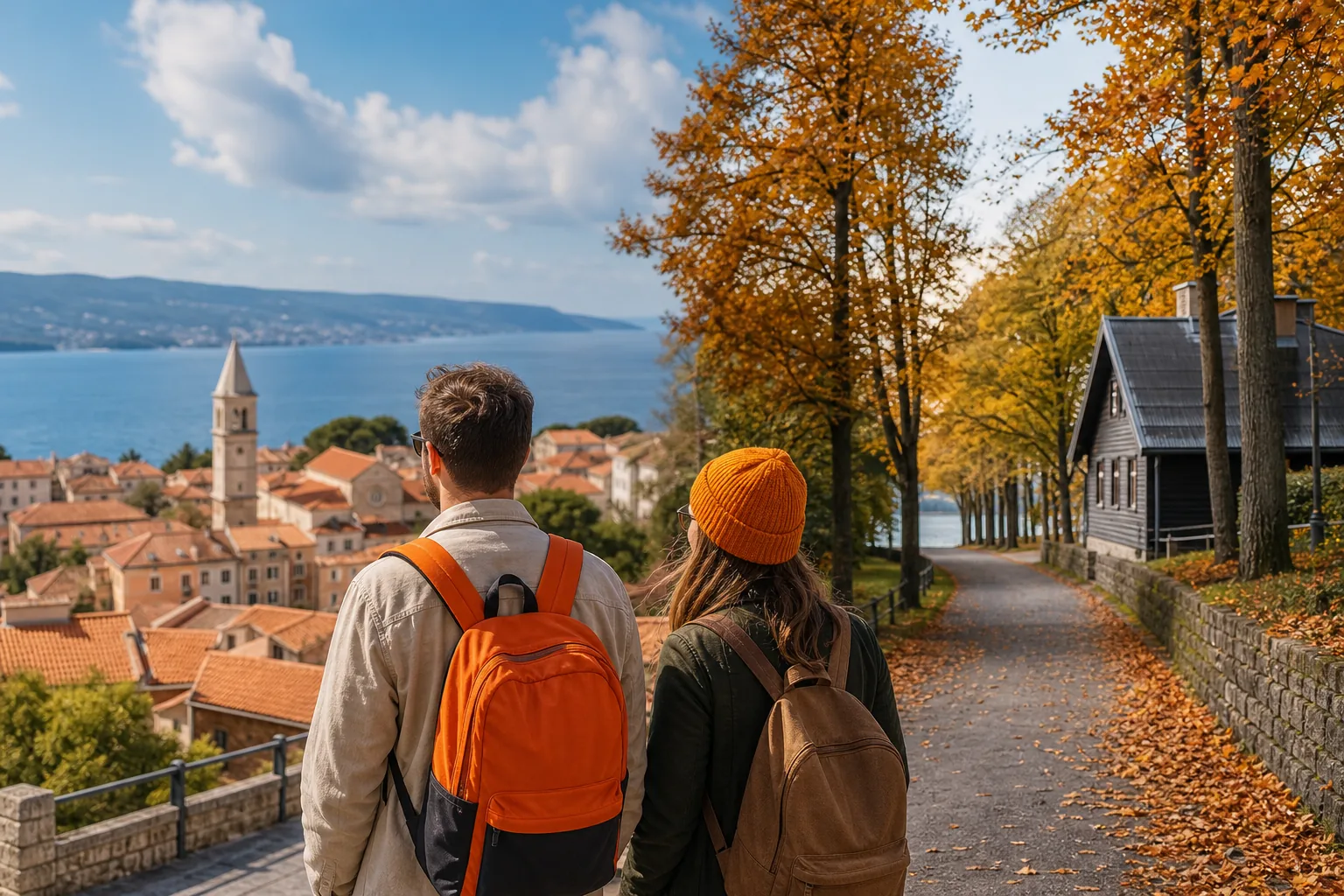
For warm-weather trips, Seville, Lisbon, Porto, and Sicily give you the strongest mix of outdoor time and culture. They are not identical, though. The right pick depends on whether you want dry heat, coastal air, food, or a base for day trips.
Seville is the clearest choice when you want to spend most of the day outside. Research places October daytime highs near 25°C, while other travel coverage puts some afternoons closer to 26°C. That makes the historic sights, cathedral area, riverside walks, and the Guadalquivir easier to enjoy than during peak summer heat.
Stay long enough to slow down. Seville works better with three nights than with one rushed stop between Madrid and the coast. Use the cooler morning for major sights. Save the late afternoon for a neighborhood walk, then eat outside if the evening stays mild.
The trade-off is demand. Warmth draws visitors, and the main sights may still require timed entry. Do not treat October as an empty month. Book the one or two attractions you care about most, then leave the rest flexible.
Lisbon suits travelers who want mild weather plus a city that can fill four days without constant transit. One research source places October highs near 22°C, with cooler nights around 14°C. Alfama, Graça, the riverfront, and the city’s museums all work well in this range.
The hills are the catch. Lisbon is walkable, but it is not flat. Wear shoes with grip and avoid stacking too many steep neighborhoods on one day. A rainy afternoon is a good reason to shift toward indoor sights rather than force a long walk.
We recommend checking our honest Lisbon guide if you are deciding whether the city suits your pace. It covers the parts visitors love, plus the friction points that glossy lists tend to skip.
Rain is the main caveat. Build your days around short outdoor blocks, then keep wine cellars, cafés, or museums as backup options. If you want a Douro harvest experience, confirm the exact dates with the estate. Harvest work can begin before October, and activities vary by place and year.
The island gives you room to mix city time with baroque towns, seafood, and inland drives.
Palermo is a strong base for markets and historic sites. Catania makes sense if you want access to Etna and the eastern side. Noto and Modica suit a slower route, but moving around the island takes more time than a map suggests.
Our verdict is simple. Pick Seville for the warmest-feeling city break. Pick Lisbon for a balanced first trip. Pick Porto if rain will not ruin your mood. Pick Sicily if food and a flexible road route matter more than perfect weather.
Rome, Florence, and Barcelona are strong October city bases because their main appeal does not depend on beach weather. The best places to visit in Europe in October often work this way: cooler air improves sightseeing, but the headline sights still need planning.
Rome suits a four- or five-night trip. Research places typical October highs around 21°C to 22°C, with cooler nights and possible rain. That is a good range for the ancient-arena area, the Forum, the Pantheon, and long walks through the historic center.
Do not assume the city is quiet. Rome remains popular all year. Reserve the major site that matters most to you, then avoid filling every hour with timed bookings. A long lunch or an unplanned piazza stop is part of the point.
Rain can improve the rhythm of the trip. Use a wet morning for museums or churches, then move outside when the streets dry. The city rewards this kind of flexible plan.
Book the museum or gallery that is central to your trip. Then leave time for the cathedral complex, a historic bridge, and a walk toward a hillside viewpoint. Autumn food also gives the city a seasonal edge, with chestnuts, mushrooms, truffles, and new olive oil appearing in menus and markets.
The honest downside is space. Florence is compact, so the busiest lanes can feel crowded even outside summer. Sleep near the area you plan to explore most. Cutting long cross-city walks saves time and your feet.
Barcelona usually brings mild October days near 22°C. That suits Gaudí sites, the Gothic Quarter, markets, and outdoor meals. Beach time is possible early in the month, but swimming weather is not guaranteed.
Timed tickets still make sense for the city’s major architectural landmarks and popular park. After that, plan by neighborhood rather than by attraction count. A good day might pair one booked sight with a long meal and an evening walk.
Barcelona also has a festival angle. La Mercè is associated with the city’s cultural calendar, but event dates and schedules can change. Check the official city information before shaping the whole trip around it.
Our Barcelona itinerary for three to five days helps you set a pace without treating every landmark as mandatory. That is the difference between seeing a city and processing it.
Munich, Copenhagen, and Stockholm make sense when your trip is about city life, seasonal events, or fall atmosphere rather than heat. The best places to visit in Europe in October do not all need to be warm. They need to match what you plan to do outside.
Munich is the obvious event-led choice. Oktoberfest runs into early October, and the final days can shape hotel demand and transport. The event is worth it if you enjoy large crowds, beer halls, live music, and a fairground setting. It is a poor fit if you want quiet streets or a low-key food trip.
Outside the festival, Munich works as a base for museums and nearby Bavarian scenery. Fall color adds a second reason to visit later in the month, when Oktoberfest is no longer the main draw.
Do not book the city only because the festival sounds famous. Check the dates first. Then compare lodging rates before you commit. Missing the event window can leave you paying event-season prices for a normal city break.
Copenhagen suits travelers who enjoy cool walks with warm cafés close by. October brings crisp air and fall color in parks. The city also has enough cultural stops to keep a rainy day from wrecking the itinerary.
The trade-off is daylight. Plan outdoor sights earlier, then shift toward museums, markets, or restaurants as evening arrives. You will get more from Copenhagen if you accept its pace instead of trying to copy a summer schedule.
Stockholm is a good choice for travelers who like cooler weather, water views, and a slower urban rhythm. October can bring beautiful fall color, but it also brings wind, rain, and shorter days.
Keep your route compact. Choose a few neighborhoods and allow time indoors. A waterproof jacket matters more here than a light beach layer.
Across all three cities, verify event dates, opening hours, and current transport before booking.
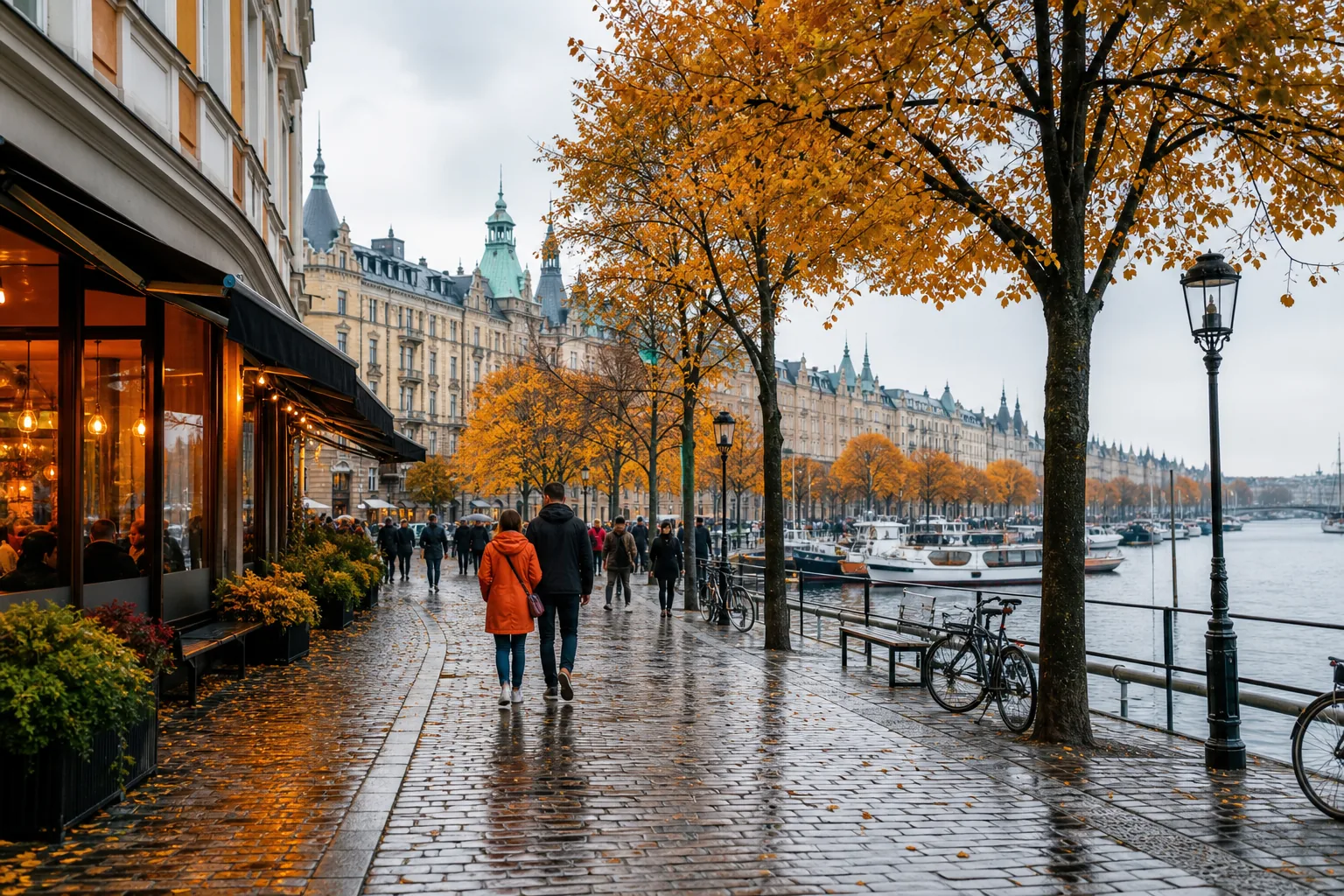
Once you have a shortlist, stop adding cities. The best places to visit in Europe in October lose their appeal when every other day becomes a travel day.
Write down the one thing you want the trip to deliver. It might be warm walks, art, food, a festival, or fall scenery. Use that goal to cut destinations that do not fit.
For example, Seville plus Lisbon makes sense for warmth and city time. Rome plus Florence makes sense for art and history. Munich plus nearby Bavarian scenery works when the festival or fall color is the anchor.
For a seven-day trip, two bases usually feel better than four. Each move costs more than the ticket. You must pack, reach the station or airport, check in, and learn a new transport system.
Use a simple test. If the transfer takes most of the daylight, count it as an activity day. Do not pretend it is free time.
Give every outdoor plan an indoor partner. Pair a historic walk with a museum. Pair a countryside drive with a food stop. Pair a beach plan with a city neighborhood.
Check the forecast a few days before each move. Then shift the order, not the whole trip. October rewards travelers who leave space for change.
For flights, a price alert can help you watch the travel window without checking fares every morning. Dream Book Travel keeps this kind of planning separate from destination inspiration because the booking decision needs different evidence.
Finally, leave one unplanned block every two days. It may become a long lunch, a missed train, or the best walk of the trip. The guides won’t always tell you that the most useful itinerary detail is room to breathe.
October is a good time to visit Europe if you choose the region around your weather goals. Southern cities can stay warm, while central and northern destinations bring cooler air and fall color. Crowds may ease, but major events and famous sights can still be busy. Check dates, prices, and rain risk for your exact route.
The recorded 22.5°C Mediterranean average is not a forecast for every city. If warmth matters most, favor Seville, Sicily, or another southern coastal area.
October rain varies by region, so Europe does not have one shared answer. Porto and western coastal areas may see more Atlantic weather, while southern cities can still have long dry spells. The research used here does not provide complete rainfall data. Pack a light waterproof layer and keep indoor plans available.
Central and northern Europe are stronger choices for fall color than the Mediterranean coast. Bavaria, Copenhagen, Stockholm, and parts of the Alpine region can bring amber forests and crisp walking weather. Timing changes with altitude and latitude. If foliage is your main goal, check local conditions before locking in a long route.
Europe can cost less in October than during peak summer, but savings vary by city and event. Festival dates may push lodging prices up, and popular capitals can stay expensive.
I recommend choosing one clear trip goal, then building around two or three bases. Seville or Sicily fits warmth. Rome or Florence fits art and food. Munich fits a festival-led trip, while Copenhagen or Stockholm suits travelers who welcome cooler days. Before you book, check the live forecast, event calendar, and total cost for your dates. Dream it. Plan it. Live it.
Use this Edinburgh itinerary 3 days plan for honest sightseeing, transit tips, free stops, museums, budget notes, and what to skip.
Find the best areas to stay in London for tourists, with honest advice for first-time visitors, culture lovers, foodies, and theater fans.
Find the best Greek islands for families by travel style, beach access, activities, and travel-day tradeoffs. Honest picks and planning notes.