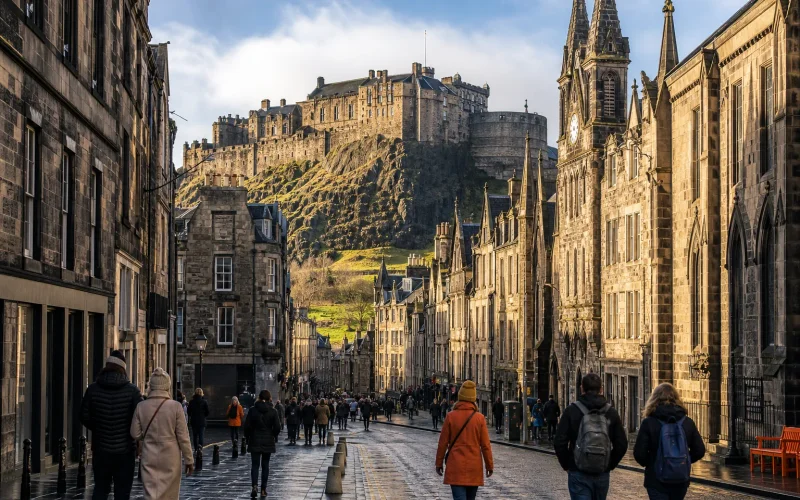
Edinburgh Itinerary 3 Days: A Practical Plan
Use this Edinburgh itinerary 3 days plan for honest sightseeing, transit tips, free stops, museums, budget notes, and what to skip.
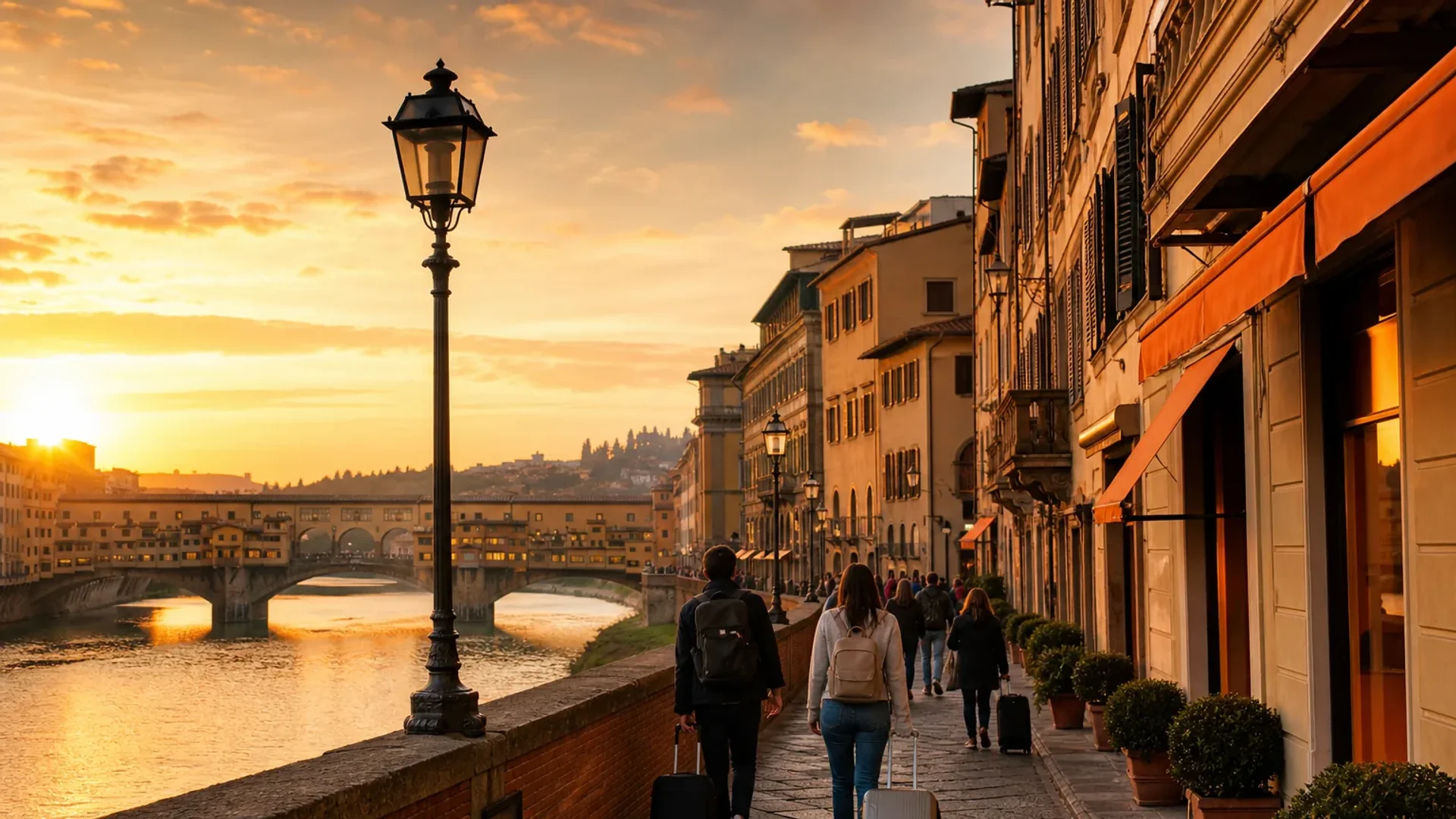
Florence flips the usual city-break rule. The area praised for its authentic feel can cost less, while staying near the Duomo can bring a steep price premium. We’ll help you choose a base by trip style, walking needs, night-time feel, and how much central access you really need.
Santa Maria Novella fits travelers who want a central base with strong arrival links. It sits around Florence’s main railway station, while the Duomo and central sights are close enough for many visitors to walk.
Choose it when your travel day matters. An early train, a late arrival, or a short stay becomes easier when you don’t need a long transfer across town. The station also gives the area a useful role for rail trips to other Italian cities.
The neighborhood has more texture than its station label suggests. A historic church faces the square, and the area includes a modern art museum plus a gallery. You can move from major art and church sites to a quieter side street within a few blocks.
Santa Maria Novella also works well for first-time visitors who want to walk. Florence is small enough that many key sights sit within walking distance of the historic centre. That makes this area a sensible base if you’d rather spend your transport budget on a day trip.
The trade-off is cost. Santa Maria Novella’s central position, especially near the Duomo, tends to push rents upward. Neighborhood-wide rent figures are not verified, so we won’t pretend to give you a neat nightly average. Compare the full booking total instead, including taxes, cleaning fees, and breakfast.
Noise is another issue. Streets near the station can feel busy at arrival times, while rooms facing a main road may hear traffic early. Ask for a quiet room if sleep matters more than a view.
Verdict: Pick Santa Maria Novella for a short first visit, a train-heavy itinerary, or a stay where every saved walk counts. Skip it if you want a slower local feel and have enough nights to trade distance for atmosphere.
Santa Croce and San Marco suit travelers who want the best neighborhoods to stay in Florence without sleeping in the busiest tourist core. Both keep you connected, but their day-to-day feel is different.
Santa Croce feels more local than the central streets around the Duomo, while still putting major sights within a manageable walk. The neighborhood has kept its historic character, and the Arno marks its southern edge.
Choose Santa Croce if you like to step outside into cafés, shops, and evening activity. It can feel lively after dark, especially around areas used by exchange students. That energy is useful if you want dinner and drinks nearby, but it can work against you if you need a silent room.
The honest warning is simple: check the night-time feel of the exact street. One source specifically notes that visitors should be ready for busy streets at night. A room on a quiet side road may suit you better than an address directly on a popular square.
San Marco is more residential and has a neighborhood market and a botanical garden. This makes it a good fit for travelers who want daily life around them without moving far from the centre.
San Marco can be the smarter middle ground when Santa Maria Novella feels too central and Santa Croce feels too active at night. Check your exact address before booking.
Food plans can help you decide. If you want to return to the same area after a museum day, San Marco’s residential rhythm may feel easier. If evening drinks are part of the trip, Santa Croce gives you more activity close to home. We also keep a short food route handy, including the stops in our guide to gelato in Florence worth the line.
Watch the video below for a visual sense of how Florence’s districts sit around the compact centre. Then open a map and trace the walk from your likely lodging to the sights you care about most.
Choose Santa Croce for evening life with a local edge. Choose San Marco when you want a calmer residential base that still keeps the centre within reach.
These areas can work well, but they aren’t safe default choices for every visitor. The best neighborhoods to stay in Florence depend on what you’re willing to give up for space, quiet, sport, or a less central setting.
| Area | Choose it when | Watch for |
|---|---|---|
| San Niccolò | You want a more upscale setting | Compare the total before booking |
| Via Bolognese | You want a suburban feel or a family base | Accommodation choices are limited |
| Campo di Marte | You need access to Stadio Artemio Franchi or follow sport | Check the total before booking |
San Niccolò is the choice for a more polished stay near the edge of the central experience.
We wouldn’t pick it to save money. If your budget is firm, compare the total against Santa Croce or San Marco before booking. The area’s appeal is its feel, not a bargain.
Via Bolognese has a suburban atmosphere and suits families or longer stays. It can give you more breathing room than the centre, but the research warns that accommodation options are limited and may take longer to find.
That trade-off changes the booking process. Search earlier, confirm the route into the centre, and check whether your lodging has the kitchen or storage space you need. Don’t book it simply because a map pin looks close to Florence.
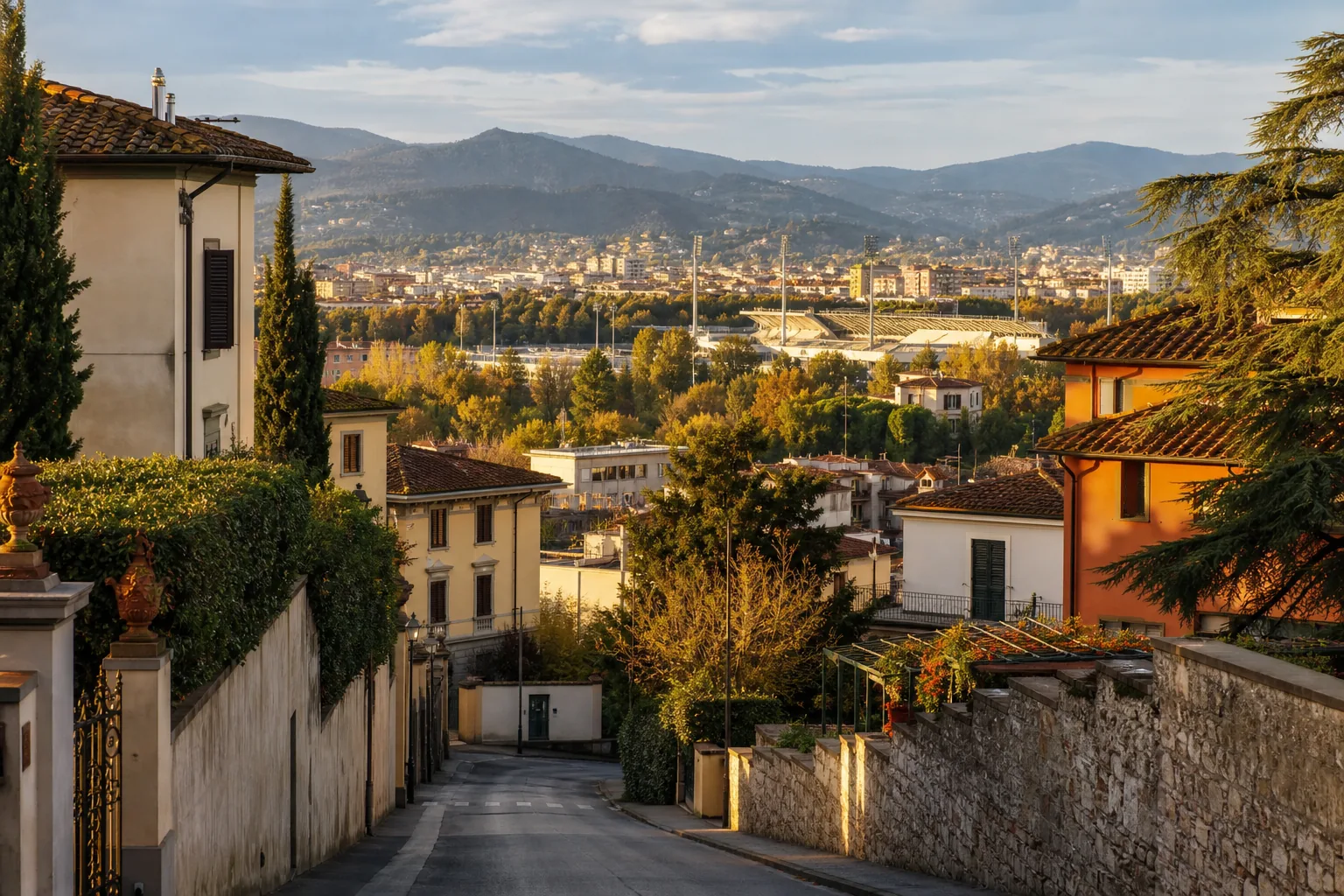
Campo di Marte is Florence’s sports district and home to Stadio Artemio Franchi. It can suit sports fans who want stadium access, while research also points to more accessible rents in the area.
There is a catch. Event dates may also change the feel of the streets and the room market. Check your dates before you assume the stadium district will cut costs.
Key Takeaway: Pick these areas only when their specific benefit matches your trip. A quieter or cheaper address is poor value if it adds a daily route you dislike.
Before you book among the best neighborhoods to stay in Florence, test the exact address rather than judging the district name alone. Two rooms in one area can give you very different nights.
Start with the full price. Verified rent tables, safety scores, and public-transport metrics are unavailable for these seven areas. That means we can describe patterns, but we won’t invent a monthly rate or call one street safe based on a label.
Use this five-minute check:
Then think about your travel day. A 20-minute walk feels easy before breakfast. It feels different after a museum, a long lunch, and a train ride. Families should also check stairs, lift access, and room layout before they trade the centre for more space.
For a longer stay, ask whether the neighborhood supports your normal week. Do you want a food shop nearby? Will you cook? Are you happy to cross the river for each major sight? These questions matter more than a glossy room photo.
Our rule is plain: pay the central premium when it removes a problem you’ll face every day. Otherwise, choose Santa Croce, San Marco, Oltrarno, or a specific outer district that fits your route.
Santa Maria Novella or the central historic area usually works well for a first visit because many major sights are close by. Santa Maria Novella adds easy station access, while the centre reduces walking to the Duomo and other landmarks. Choose Santa Croce instead if you want a more local feel without moving far from the main sights.
Oltrarno is worth considering if you want an authentic atmosphere with fewer tourists and potentially cheaper rentals. The area includes the Brancacci Chapel and sits across the Arno from the main centre. You’ll trade some direct access for a more relaxed base, so check your daily route before booking.
Via Bolognese is the clearest fit for a suburban, family-friendly stay among the areas covered here. Its accommodation supply is limited, though, and you may need a longer search. San Marco is a more central alternative if you want residential streets without moving as far from Florence’s main sights.
Santa Maria Novella can cost more because its central location sits near the Duomo and the main railway station. We don’t have verified neighborhood-wide prices, so compare exact dates and full booking totals. It may still be worth the premium for a short stay or an early train.
Campo di Marte suits sports fans because it contains Stadio Artemio Franchi. Compare the full room total before booking. Check event dates and your room total before assuming the stadium district will be cheaper.
Choose Santa Maria Novella for short stays and easy rail access. Choose Oltrarno for a more authentic feel, or San Marco for a quieter central base. Families can look at Via Bolognese, while sports fans should check Campo di Marte. Set your dates, trace your daily routes, and then use Dream Book Travel’s Florence planning resources to make the booking.
Use this Edinburgh itinerary 3 days plan for honest sightseeing, transit tips, free stops, museums, budget notes, and what to skip.
Find the best areas to stay in London for tourists, with honest advice for first-time visitors, culture lovers, foodies, and theater fans.
Find the best Greek islands for families by travel style, beach access, activities, and travel-day tradeoffs. Honest picks and planning notes.