When to Buy Flights: What the Data Actually Shows
Verdict: Set a price alert. Buy when it drops below your anchor price, not when an article tells you to.
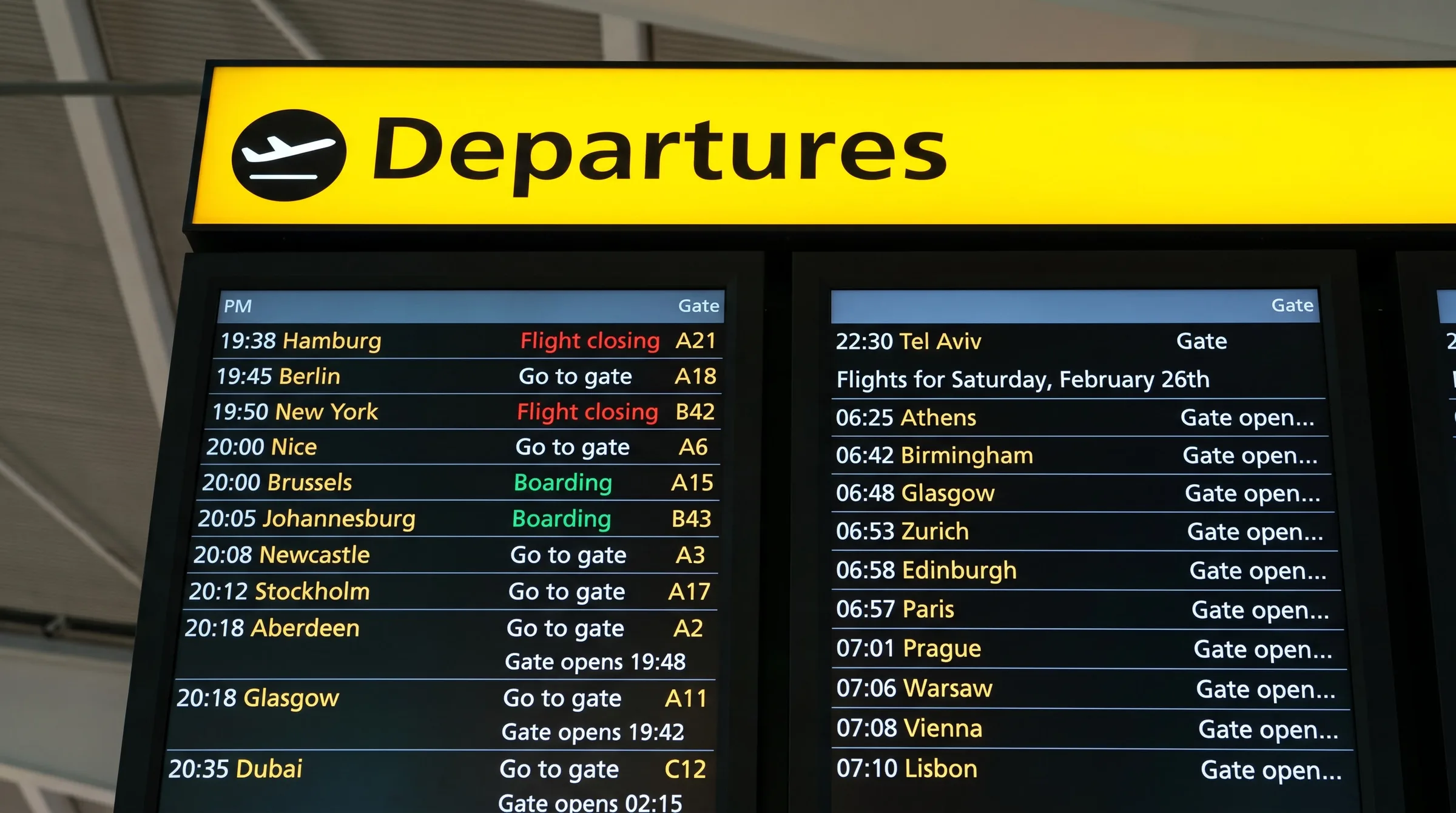
The internet has a lot of strong opinions about when to book flights. Most of them are confidently wrong.
The Myth of the Perfect Window
“Book 6–8 weeks out for domestic, 3–6 months for international.” You’ve seen this advice everywhere. It comes from aggregated averages, which means it’s almost never right for your specific route.
Airlines price dynamically. The algorithm doesn’t know about your calendar.
What Actually Matters
Route competition. Routes with two or more carriers competing aggressively move more. London to New York has 10+ carriers; prices swing. London to a secondary city in Southeast Asia might have one option at a reasonable price — it won’t get cheaper.
Day of week. Tuesday and Wednesday departures are reliably cheaper on leisure routes. Friday and Sunday are reliably expensive. This one’s real.
The anchor price. Know what a fare on your route usually costs. Set a Google Flights price alert. When it drops below your anchor by 20% or more, buy it.
The Only Rule Worth Keeping
Don’t buy when you’re told to buy. Buy when the price is good.
A good price is one that’s below your anchor and within your budget. That’s it.
Tools We Actually Use
- Google Flights: Best for price alerts and flexible date search
- Hopper: Useful for domestic US routes specifically
- Skyscanner: Good for scanning across carriers on obscure routes
We don’t get paid to say any of this. These are just the tools that work.